What Are Indigo Children and How to Identify Them?
Indigo children are often described as extraordinary beings with a powerful spiritual mission. Connected to the new age movement, the concept of indigo children suggests that these unique human beings come into the world with deep intuition, psychic abilities, and a strong sense of purpose. Many believe they are old souls destined to help humanity transform outdated systems and move toward a higher state of consciousness.
Table of Contents
- What Are Indigo Children?
- History and Origin of the Concept
- Indigo Child Signs and Traits
- Types of Indigo Children
- Challenges and Common Issues of Indigo Children
- How to Identify an Indigo Child
- Indigo, Crystal, Rainbow, and Diamond Children Differences
- FAQs About Indigo Children
What Is an Indigo Child?
An indigo child is a spiritually gifted member of a new generation, often described as strong-willed, empathetic, and deeply intuitive. The term comes from the belief that many are born with an indigo aura, linked to the third eye chakra, wisdom, and spiritual insight. Indigos are thought to possess intuitive abilities, creativity, and an inner drive to challenge unjust systems. Seen as old souls on a spiritual journey, they are viewed as visionaries who resist conformity, promote justice, and represent a broader shift in consciousness.
History and Origin of the Concept
The term “indigo child” was first introduced by Nancy Ann Tappe, a parapsychologist and synesthete, in the 1970s. Tappe observed that some children seemed to have a predominant indigo-blue aura, which she associated with a new spiritual frequency. She linked this aura color to unique qualities such as adaptability, intuition, and psychic abilities.
In the 1990s, authors Lee Carroll and Jan Tober further popularized the idea through their books, which described specific indigo children traits such as hyperactivity, sensitivity, and resistance to authority. They positioned indigos as a new generation of human beings sent to help dismantle outdated structures and lead society into greater awareness.
Since then, the concept has grown beyond indigos to include crystal children, rainbow children, and later diamond children — each wave carrying new gifts and missions in humanity’s spiritual evolution.
Indigo Child Signs and Traits
The following indigo child signs are most often cited:
Core Traits
- Spiritually inclined: A deep connection to higher purpose and awareness.
- Empathy and sensitivity: Feel the emotions of others strongly, sometimes too intensely.
- Strong-willed: Naturally rebellious, they resist blind conformity and question unjust authority.
- Creativity and intuition: Artistic talents linked to intuitive abilities, dreams, or even clairvoyance.
- Justice-driven: A deep need for fairness, often drawn to activism or causes.
- Bond with the natural world: An affinity with animals, plants, and the earth itself.
Behavioral Patterns
- Agents of change: Frequently advocate for social justice, environmental protection, and human rights.
- Sense of not belonging: Often feel different or isolated from peers.
- Intense energy: Can be misdiagnosed with ADHD, autism, or labeled as hyperactive. Many were placed on Ritalin in childhood.
- Academic struggles: Difficulty with rigid school systems; prefer experiential or creative learning.
- Adventurous: Love exploring new places, ideas, and cultural experiences.
Physical Traits
While less emphasized than personality, some believe indigo child physical traits include:
- Piercing or unusually intense eyes
- A vibrant indigo aura
- High energy or physical sensitivity to food, chemicals, or environments
Types of Indigo Children
Spiritual teachers often describe four main types of indigo children, each with its own strengths:
- Humanists: Compassionate helpers drawn to health, education, or social service.
- Artists: Creative innovators who express truth and inspire transformation.
- Conceptuals: Analytical and system-focused, seeking to rebuild outdated structures.
- Interdimensionals: Spiritually advanced, with profound psychic abilities, able to act as bridges between realms.
Each type of indigo child expresses the same mission — guiding humanity forward — in different ways.
Challenges and Common Issues of Indigo Children
The very traits that make indigos unique also present challenges:
- Authority conflicts: Their rebellious, independent spirit often creates tension with parents, teachers, or institutions.
- Emotional overwhelm: High empathy can lead to anxiety, depression, or physical symptoms like headaches or digestive issues.
- Misdiagnoses: Many indigo children have been labeled as autistic, ADHD, or dealing with other mental health conditions.
- Isolation: Their sense of being different can result in loneliness or feeling misunderstood.
These struggles highlight the importance of emotional support and environments that nurture their adaptability, creativity, and inner gifts.
How to Identify an Indigo Child
Recognizing an indigo child involves observing both behavior and energy. Signs include:
- Questioning rules and refusing to accept “because I said so” as an answer.
- Deep empathy, often sensing what others feel without being told.
- A strong sense of purpose and a conviction they are “meant for something more.”
- Interest in humanitarian causes, spirituality, or the natural world from an early age.
Some parents find that traditional personality tests don’t capture their indigo child’s unique worldview. Supporting their creativity, independence, and spiritual journey is key.
Indigo, Crystal, Rainbow, and Diamond Children Differences
Many in the new age community view indigo, crystal, rainbow, and diamond children as part of an ongoing spiritual evolution. Each generation is said to embody distinct traits, energies, and missions that reflect humanity’s gradual awakening.
- Indigo Children: The first wave, indigo children emerged in greater numbers in the 1970s. Known for being strong-willed, independent, and often rebellious, they are considered spiritual warriors whose purpose is to break down outdated systems. Their questioning of authority, passion for justice, and drive to challenge hypocrisy set the stage for the generations that followed.
- Crystal Children: The next wave, crystal children, began appearing in the 1990s. In contrast to the fiery indigo energy, crystals are described as gentle, peaceful, and deeply connected to love and healing. With large, expressive eyes and calm auras, they are thought to embody harmony and compassion, often bringing balance to families and communities destabilized by indigo intensity.
- Rainbow Children: Born primarily after 2000, rainbow children are often described as joyful, adaptable, and highly creative. Their energy is light and vibrant, and they are said to be natural forgivers, unafraid to love unconditionally. Rainbows often demonstrate a playful spirit, with strong intuitive abilities and an openness to the natural world. They act as bridges between past generations and future possibilities, embodying resilience and optimism.
- Diamond Children: The newest generation, diamond children, are believed to have begun arriving around 2008. Often described as visionaries, they are said to carry an innate ability to manifest their desires and shape reality. With advanced psychic abilities and deep spiritual awareness, diamonds are seen as teachers and guides for humanity’s next leap in consciousness, embodying clarity, truth, and a higher vibration of energy.
Together, these four groups are often seen as phases of spiritual awakening across generations: indigos clear the path, crystals bring healing, rainbows spread joy and adaptability, and diamonds offer vision and manifestation for the future.
The idea of indigo children has fascinated and inspired spiritual seekers for decades. Whether understood as old souls with a cosmic mission or as sensitive, gifted individuals navigating a complex modern world, they embody humanity’s potential for profound transformation.
By recognizing their signs, supporting their challenges, and honoring their place alongside crystal and rainbow children, we can help indigos fulfill their purpose. In doing so, they remind us of the enduring power of compassion, intuition, and a collective spiritual journey toward higher consciousness.
FAQs About Indigo Children
What is the meaning of indigo child in astrology?
In astrology, the indigo child meaning connects to planetary alignments suggesting higher awareness, adaptability, and psychic gifts. Indigo is linked to the third eye chakra, symbolizing insight and wisdom.
Are indigo children still being born?
Yes. Many believe indigos continue to be born, though newer generations — crystal children, rainbow children, and diamond children — have since emerged.
What does indigo mean spiritually?
Spiritually, indigo is the color of intuition, awareness, and truth. It is often linked to the third eye chakra and is associated with wisdom, spiritual insight, and deep connection.
What comes after indigo children?
After indigos came the crystal, rainbow, and diamond generations, each carrying new missions to further humanity’s spiritual growth.
How to parent an indigo child?
Parenting requires patience and flexibility. Support their creativity, encourage their empathy, and avoid rigid systems. Provide outlets for their hyperactivity and recognize their unique gifts rather than trying to “fix” them.
About the Author

Study Shows Consciousness May Be Product of Quantum Effect
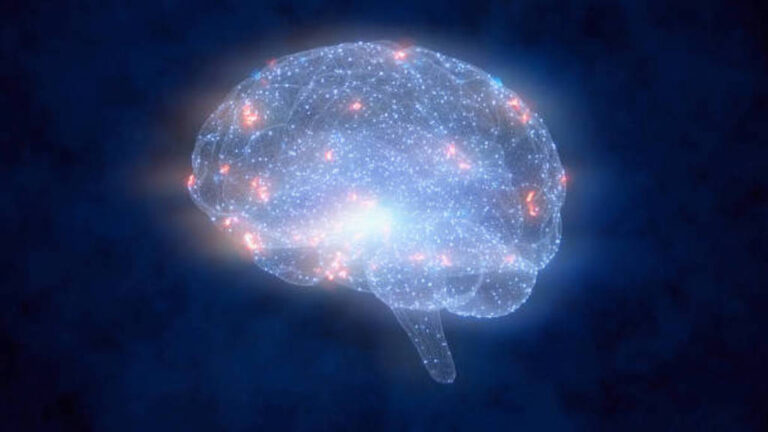
A controversial theory on consciousness has just been tested: Could consciousness be explained by quantum effects in the brain?
A 30-year-old theory on consciousness called, “Orchestrated Objective Reduction,” posits that consciousness could live in tiny microtubules in the brain, or as New Scientist explains, “Brain microtubules are the place where gravitational instabilities in the structure of space-time break the delicate quantum superposition between particles, and this gives rise to consciousness.”
The theory was first introduced in the 1990s by physicist Roger Penrose and anesthesiologist Stuart Hameroff, but was believed to be untestable and was therefore regarded as a fringe theory at best.
But now, New Scientist reports the theory has just passed a key test, writing, “Experiments show that anesthetic drugs reduce how long tiny structures found in brain cells can sustain suspected quantum excitations. As an anesthetic switches consciousness on and off, the results may implicate these structures, called microtubules, as a nexus of our conscious experience.”