What Are the Akashic Records and What Are They For?

The Akashic Records are energetic archives containing the complete history of every soul. Every thought, word, action, and intention leaves an imprint on this energetic field, sometimes called the Akashic Library. This universal repository preserves past lives, current experiences, and potential future paths, offering insights into the soul’s journey, life’s purpose, and karmic patterns.
What is most astonishing is that anyone can access the Records. Through focused intention, guided meditations, or prayer, you can connect with this source of universal wisdom to gain guidance, clarity, and a deeper understanding of your spiritual path. This article explores what the Akashic Records are, how to access them, the benefits of an Akashic reading, and steps to begin your journey of spiritual growth.
Table of Contents
- What Are Akashic Records?
- History and Origins of the Records
- What Is an Akashic Records Reading Like?
- What Kind of Questions Can Be Asked?
- Are There Any Dangers in Accessing the Records?
- Who Can Read the Akashic Records?
- How to Learn to Read the Akashic Records
- Benefits of Accessing the Records
- Closing Prayer and Integration
What Are Akashic Records?
The Akashic Records are a universal memory of existence, a non-physical, energetic space where every thought, word, action, and emotion is recorded. Sometimes referred to as the Akashic Library, this archive preserves the history of each soul, its past lives, current experiences, and potential futures. It offers a comprehensive perspective on the soul’s journey, linking all beings and levels of existence across time.
The term akasha (or akasa) comes from Sanskrit and means ether or astral light, considered the fifth element in many spiritual traditions. These subtle vibrations capture not only individual life experiences but also universal patterns, providing insight into karmic influences, personal growth, and the soul’s purpose.
For anyone accessing the Records for the first time, the experience can reveal hidden tendencies, unexplored potentials, or connections with loved ones who have passed. The Records are a living resource for spiritual growth, supporting clarity, healing, and understanding in all areas of life.
Accessible through meditation, focused intention, or the guidance of an experienced practitioner, the Akashic Records can provide wisdom about behavioral patterns, relationships, and challenges, serving as a practical tool for navigating your spiritual journey.
In the series Beyond Belief, Bill Foss explores the meaning and scope of the Akashic Records from both an experiential and conceptual perspective. In conversation with George Noory, he explains how this realm is understood and what it represents in the soul’s evolution.

History and Origins of the Records
The concept of the Akashic Records has roots in both Eastern and Western spiritual traditions. In the East, philosophies have long described akasha as the fundamental etheric fabric of existence, a subtle dimension where all experiences are remembered as vibrations or astral light.
In the West, Helena Blavatsky, founder of the Theosophical movement in the late 19th century, introduced the Akashic Records after her studies and experiences in Tibet. There, monks and mahatmas shared that the records exist in the akasha—a Sanskrit word meaning ether—and are the repository of universal knowledge. Blavatsky claimed she could access them through clairvoyance and psychic abilities, including astral projection, and she shared these insights as part of a broader philosophy of universal wisdom. Her teachings emphasized that human thoughts, words, and actions leave lasting impressions on this subtle field, influencing spiritual understanding and personal growth.
Rudolf Steiner, another influential metaphysician, expanded the Western understanding of the Records, describing them as a source of inspiration for human ideals and evolution. He proposed that the Akashic Records not only preserve past events but also reveal patterns that guide humanity toward harmony, justice, and spiritual development.
During the 20th century, Edgar Cayce, often called America’s “sleeping prophet,” popularized the Akashic Records through his psychic readings. Cayce described how individuals could access the Records of their past, present, and potential futures to facilitate healing, gain clarity about life’s purpose, and understand karmic patterns. He likened the Records to a Book of Life, connecting each person to a universal consciousness and to the broader flow of the soul’s journey.
In the late 20th and early 21st centuries, Linda Howe further advanced the understanding and practice of accessing the Akashic Records. Through her teachings, books, and workshops, Howe developed practical methods for connecting with the Records, emphasizing personal empowerment, spiritual guidance, and insight into one’s spiritual path. Her work has helped make the Akashic Records accessible to a wide audience, bridging historical teachings with contemporary spiritual practice.
Contemporary thinkers such as Ervin Laszlo continue to explore the Akashic Records from both spiritual and scientific perspectives. His “Akashic Paradigm” considers consciousness itself as deeply connected to this universal memory field, bridging spirituality and science and offering a holistic view of existence.
What Is an Akashic Records Reading Like?
An Akashic reading is a sacred encounter where a trained reader accesses the akashic library to share insights and guidance. Unlike fortune-telling, these readings focus on understanding the soul’s journey, exploring past patterns, present challenges, and potential futures.
Key aspects of an Akashic Records reading include:
- Connection and Atmosphere: A quiet, focused environment allows both the seeker and reader to connect deeply with the Records.
- Guided Meditations and Intention: The reader may use guided meditations, prayer, or focused intention to attune to the subtle vibrations of the Records.
- Receiving Insights: Messages may come as intuitive impressions, symbols, images, emotions, or subtle sensations, offering clarity and direction.
- Exploring Themes: Common areas of exploration include the soul’s purpose, relationships with loved ones, karmic patterns, and personal growth along the spiritual path.
- Interpretation and Reflection: The reader helps the seeker understand and integrate the messages in ways that resonate with their life experiences.
Many seekers experience the reading as a fluid, interactive process rather than a strict step-by-step session. Each reading is unique, and the insights often help individuals:
- Gain clarity on life’s purpose
- Understand past lives and karmic influences
- Strengthen psychic abilities and intuition
- Receive guidance on relationships, career, or spiritual decisions
- Deepen self-awareness and personal spiritual growth
For those exploring the Akashic Records for the first time, the experience can be transformative, offering validation, reassurance, and a sense of connection to universal wisdom.
What Kind of Questions Can Be Asked?
Questions in an Akashic Records reading are most effective when they are open-ended and focused on personal insight, spiritual growth, and understanding the soul’s purpose. Instead of seeking simple yes or no answers, the goal is to explore guidance, clarity, and healing.
Common questions include:
- What is my life’s purpose in this incarnation?
- How can I align with my soul’s journey and fulfill my soul’s purpose?
- What lessons or patterns am I carrying from past lives?
- Are there karmic influences affecting my current experiences?
- How can I heal or strengthen relationships with loved ones?
- What guidance can I receive to develop my psychic abilities or intuition?
- How can I navigate challenges along my spiritual path?
- What do I need to release or transform for deeper spiritual growth?
- Are there messages from spirit guides or energies I should pay attention to?
- How can I prepare for major life changes or transitions for the first time?
These questions are intended to open a dialogue with the Records, allowing intuitive insights and guidance to emerge naturally. They help seekers gain a deeper understanding of their life, karmic influences, and the lessons their soul has chosen to explore.
Are There Any Dangers in Accessing the Records?
Accessing the Akashic Records is generally considered safe when approached with respect, intention, and openness. The Records are guided by universal wisdom and protected by benevolent beings, sometimes described as light beings or ascended masters, who ensure that the experience serves the seeker’s spiritual growth.
Key points about safety and guidance include:
- Pure Intention Matters: Approaching the Records with humility and sincere curiosity ensures the information received is aligned with the highest good.
- Guided Connection: Using prayers, guided meditations, or working with an experienced reader helps maintain a protected and focused space.
- No Harmful Energy: The Records are designed to offer insight, clarity, and healing rather than fear or harm.
- Support for First-Time Seekers: Those exploring the Records for the first time often find reassurance, calm, and a sense of connection to universal wisdom.
Rather than posing danger, accessing the Records can provide profound understanding of karmic patterns, personal challenges, and past lives. It fosters empowerment, helps release old attachments, and encourages alignment with one’s life’s purpose.
Who Can Read the Akashic Records?
Reading the Akashic Records is not limited to mystics, mediums, or those with innate psychic abilities. Anyone with curiosity, humility, and a sincere commitment to spiritual growth can learn to access this profound source of guidance.
Key insights about who can read the Records:
- No Special Talents Required: Success depends more on intention, practice, and respect than on innate abilities.
- Beginner-Friendly Access: Working with an experienced Akashic Records reader helps first-time seekers understand the process, interpret messages, and feel comfortable navigating the Records.
- Gradual Mastery: Over time, many individuals learn to open their own Records independently or accompany others during readings.
- Ethics and Responsibility: Workshops, courses, and training programs emphasize ethical principles and proper techniques, ensuring readings honor the privacy and integrity of the seeker.
Learning to read the Records becomes a spiritual path in itself, offering insight into the soul’s journey, helping align with life’s purpose, and encouraging personal transformation.
How to Learn to Read the Akashic Records
Learning to read the Akashic Records involves cultivating spiritual awareness, ethical intention, and consistent practice. Many practitioners begin by studying with experienced teachers such as Linda Howe, who provide guidance on opening and closing prayers, meditation techniques, and methods for interpreting the subtle impressions received from the Records. These teachings emphasize approaching the Records with humility, compassion, and a commitment to the seeker’s highest good.
In addition to formal instruction, numerous books, online courses, and webinars help seekers understand the energetic and vibrational nature of the akashic library. Regular practice through guided meditations, journaling, or mindful reflection strengthens intuition, sharpens psychic abilities, and deepens connection to the soul’s journey. Over time, this ongoing practice allows individuals to access their Records more easily, uncover karmic patterns, and gain insight into their life’s purpose and personal growth.
Benefits of Accessing the Records
Accessing the Akashic Records can provide profound insights and support for both personal and spiritual growth. By connecting with this universal archive, individuals gain clarity about their life’s purpose, uncover patterns from past lives, and better understand karmic influences affecting their present experiences. The Records also offer guidance for nurturing relationships with loved ones, developing psychic abilities, and strengthening intuition along the spiritual path.
Many seekers find that the Records enhance their spiritual journey, offering inspiration for guided meditations and practical strategies for daily life. Insights gained can help release limiting beliefs, heal emotional blockages, and align actions with the soul’s purpose. Whether approached for self-reflection, healing, or exploration of the akashic library, accessing the Records fosters a deeper connection to universal wisdom and encourages meaningful transformation over time.
Closing Prayer and Integration
Every Akashic Records session should conclude with a closing prayer, sealing the connection with gratitude and respect for the wisdom received. A simple example might be:
“I thank the keepers of the Records, my guides, and the universal field of wisdom for their presence and guidance. May these insights serve my highest good and the good of all.”
Integration of the insights is just as important as the session itself. Reflecting through journaling, meditation, or personal contemplation helps ground the guidance from the Records into daily life. Over time, consistent practice with the Akashic Records strengthens connection to the soul’s journey, deepens understanding of the soul’s purpose, and supports spiritual growth. Whether exploring past lives, gaining clarity about life’s purpose, or seeking guidance from loved ones, the Akashic Records become a trusted companion on the path of personal transformation.
About the Author

2222: The Number That Appears When Everything Starts to Align
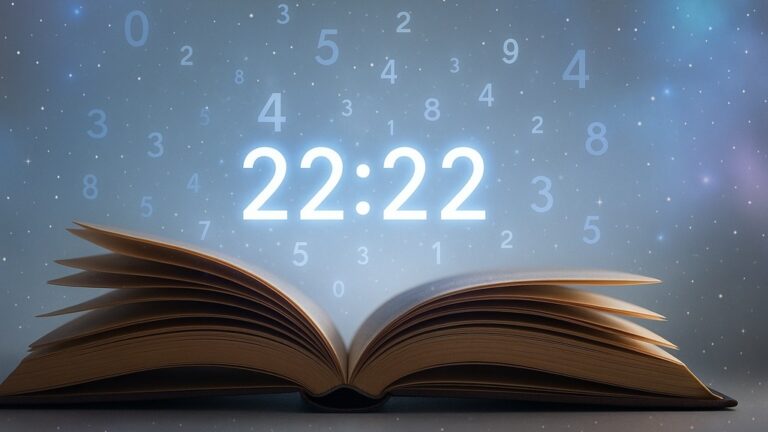
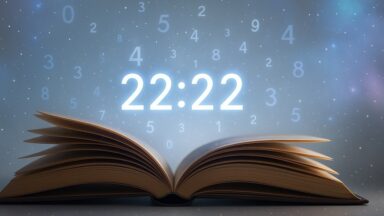
Do you keep seeing 2222 on clocks, receipts, or license plates and feel like it can’t be a coincidence? This numeric sequence is often interpreted as a spiritual message indicating that everything is starting to fall into place for you. In this article, we explore what 2222 means, why it shows up in your life, and how to recognize its energy as a sign of trust and inner alignment.
Table of Contents
- Why Do You Keep Seeing 22:22 Everywhere?
- The Spiritual Meaning of 2222
- The Number 22 as a “Master Number” in Numerology
- 2222 and Manifestation: A Sign That Everything Is Aligning
- What to Do When You See the Number 2222 Repeatedly
- Other Numbers That Often Appear Alongside 2222
Why Do You Keep Seeing 22:22 Everywhere?
When the number 22:22 consistently appears in your life, it’s often a reminder that you are going through a process of internal and external alignment. It’s a sign that shows up during moments of doubt, change, or important decisions, to remind you that there is a greater order at work—even if you can’t clearly see it.
It can also be interpreted as a call to trust in life’s perfect timing. 22:22 does not come to create anxiety, but to remind you that patience and serenity are essential. Its message is clear: let the pieces fall into place on their own and make room for what you are building to manifest in a balanced and coherent way.
The Spiritual Meaning of 2222
From a spiritual perspective, 2222 symbolizes balance, expansion, and manifestation. Bringing together the number 2 four times amplifies the energy of cooperation, trust, and harmony. This number speaks of the union of forces—both internal and external—that are working together to bring something new and meaningful into your life.
2222 can also show up as a confirmation that your intentions and actions are aligned with a higher purpose. It doesn’t always imply immediate results, but rather the certainty that what you’re sowing is growing quietly. Seeing this sequence is a reminder that the universe supports your process and walks with you on your path.
In the Numerology episode of the series The Other Side, it’s shown how numbers reveal patterns that reflect our connection to the universe. Far from predicting the future, they act as guides that illuminate the present. In this approach, 2222 signals that you are moving forward in alignment with your purpose. Its appearance is a sign of inner alignment and trust in your path.
The Number 22 as a “Master Number” in Numerology
In numerology, 22 is known as one of the “master numbers” due to its enormous creative potential. It is associated with the ability to materialize great ideas on the physical plane, merging spiritual vision with practical action. That’s why it’s often referred to as the “master builder.”
When it appears in sequences like 2222, this energy multiplies and becomes a confirmation that the foundations for your projects and dreams are being firmly established. It’s an invitation to trust in your inner power and your capacity to turn vision into reality.
2222 and Manifestation: A Sign That Everything Is Aligning
Seeing the number 2222 repeatedly is a reminder that the universe is working with you so that your intentions find the right path. This numeric sequence appears when your thoughts, emotions, and actions begin to align, opening the door for what you desire to start manifesting.
It also speaks of patience and trust in the process. It’s not always about immediate results, but rather signs that the steps you’re taking—no matter how small—are integrating into a greater order. It’s a message that encourages you to keep the faith and continue moving forward calmly.
At its deepest level, 2222 is a reflection that everything is aligning in your life—relationships, opportunities, and lessons. This numeric vibration confirms that you are in tune with a broader plan, and that every experience you go through is part of a larger framework driving your personal and spiritual evolution.

What to Do When You See the Number 2222 Repeatedly
If the number 2222 shows up again and again in your life, the most important thing is to pause and observe in what context it appears. Paying attention to your thoughts and emotions in that moment can give you clues about the area of your life that’s calling for greater balance—or confirming that you are moving in the right direction.
It’s also advisable to take it as a sign of trust. 2222 is not just a number—it’s a reminder that the universe is aligned with your intentions. Expressing gratitude for this guidance, staying receptive, and acting with coherence are all ways to integrate its message into your daily life.
Other Numbers That Often Appear Alongside 2222
When 2222 appears repeatedly, other sequences may emerge to expand its message of alignment and conscious construction. Each number offers a complementary signal that helps you better understand the process you are moving through.
- 111: Conscious Beginning: Signals that a new phase is taking shape through your thoughts. It invites you to focus your mind clearly on what you want to create.
- 222: Trust in the Process: Reinforces the importance of maintaining faith while everything settles into place. It reminds you that inner balance is the foundation of any solid manifestation.
- 333: Active Spiritual Guidance: Indicates that subtle energies are supporting your growth. It calls you to express yourself with authenticity and openness.
- 444: Structure and Protection: Highlights the need to sustain strong foundations in what you are building. It confirms that you are supported as you organize your inner world.
- 555: Aligned Change: Announces necessary transformations for your evolution. It encourages you to embrace movement as part of a greater unfolding order.
- 666: Conscious Realignment: Suggests it is time to return to your center and rebalance your priorities. Alignment requires coherence between what you think and what you do.
- 777: Spiritual Confirmation: Validates that you are in tune with your purpose. It signals that the alignment you feel has a deep spiritual basis.
- 888: Expansion and Abundance: Indicates that inner coherence is beginning to reflect as outer prosperity. What you are building is starting to produce visible results.
- 999: Necessary Closure: Marks the completion of a stage that supported your growth. Letting go consciously is part of maintaining alignment.
- 1234: Ordered Progress: Represents step-by-step advancement toward a clear goal. It confirms that each movement fits into a larger design.
- 11:11: Activation Portal: Intensifies your connection to the spiritual plane. It is a sign of synchronicity and awakening within the manifestation process.