30 Meanings Behind Your Dream Symbols
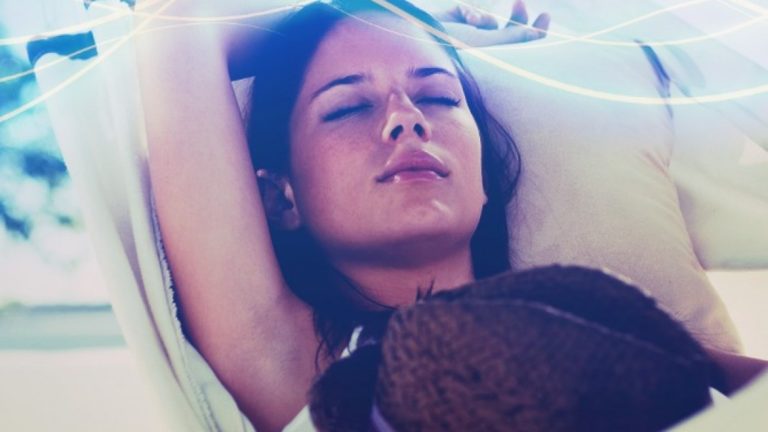
Are dreams messages delivered to us from our subconscious? Or are they just last night’s pizza gone wrong?
Out of the average human night of sleep, we dream for 90 minutes to two hours or more each night. Sometimes, we might wake up amused, scared or confused about our dream time. Interestingly enough, there are several common dream themes that crop up in every culture and background, regardless of age, gender, or country.
Suzanne Bergmann, a licensed social worker and professional dream worker for more than 16 years, notes, “Dreams are a universal language, creating often elaborate images out of emotional concepts.”
Of course, not every single element of your dream has an unconscious meaning. Sometimes, it is just the pizza. To start noting important dreams, however, you should start keeping a dream journal with dates to compare your dreams to your situations. You can start understanding your subconscious in a fascinating way. Write in the present tense as if you’re re-living the dream, and underline any unusual or poignant aspects which are central to the story, or which instinctively attract your attention.
Then, take a look at these 30 symbols. Treat them as a simple starting point to jump off of and discover what they could mean for you.
1. Animals
They often represent the part of your psyche that feels connected to nature and survival. Being chased by a predator suggests you’re holding back repressed emotions like fear or aggression.
2. Babies
Little infants or toddlers can symbolize a literal desire to produce offspring, or your own vulnerability or need to feel loved. They can also signify a new start.
3. Being chased
This is one of the most common dream symbols in all cultures. It means you are feeling threatened, so reflect on who is chasing you (they may also be symbolic) and why they are a possible threat in real life.
4. Clothes
They make a statement about how we want other people to perceive us. If you dream symbol is shabby clothing, you may feel unattractive or worn out. Changing what you wear may reflect a lifestyle change.
5. Crosses
They are interpreted subjectively depending on your religious beliefs. Some see it as symbolizing balance, death, or an end to a particular phase of life. The specific circumstances will help define these dream symbols.
6. Exams
This can signify self-evaluation, with the content of the exam reflecting the part of your personality or life under inspection.
7. Death of a friend or loved one
While disturbing and dark, having a dream with this theme simply represents change (endings and new beginnings). It should not necessarily be treated as a paranormal prediction of any kind. However, if you are recently bereaved, it may be an attempt to come to terms with the event.
8. Falling
A common dream symbol that relates to our anxieties about letting go, losing control, or somehow failing after a success.
9. Faulty machinery: car broken down?
In dreams, this is often caused by your language centers being shut down while asleep, making it difficult to dial a phone, read the time, or search the internet. This dream can also represent performance anxiety in life.
10. Food
This is thought to symbolize knowledge, because it nourishes the body just as information nourishes the brain.
11. Demons
Sneaky evil entities which signify repressed emotions. You may secretly feel the need to change your own behaviors for the better.
12. Hair
Freud thinks hair in dreams has significant ties with sexuality (surprise, surprise!). Abundant hair may symbolize virility, while cutting hair off in a dream shows a loss of libido. Hair loss may also express a literal fear of going bald or becoming unattractive.
13. Hands
They are almost always present in dreams, but when they are tied up it may represent feelings of futility. Washing your hands may express guilt. Looking closely at your hands in a dream is a good way to start a lucid dreaming journey.
14. Houses
This can host many common dream symbols, but the building as a whole represents your inner psyche. Each room or floor can symbolize different emotions, memories and interpretations of meaningful events.
15. Killing
Don’t worry, you aren’t a sociopath (probably). Instead, it usually represents your desire to “kill” part of your own personality. It can also symbolize hostility towards a particular person and the desire to see them suffer. You’d better start mending fences, for your own good!
16. Marriage
This may be a literal desire to wed, or a merging of the feminine and masculine parts of your psyche.
17. Missing your ride
This includes a flight or any other kind of transport. This is another popular dream, showing your frustration over possibly missing out on important opportunities in life. It’s most common when you’re struggling to make a big decision.
18. Money
It symbolizes self worth. If you dream of exchanging money, it may show that you’re anticipating some changes in your life.
19. Mountains
These are usually obstacles, so to dream of successfully climbing a mountain can reveal a true feeling of achievement. Viewing a landscape from atop a mountain can symbolize a life under review without conscious prejudice.
20. Nudity
It is one of the most common dream symbols, revealing your true self to others. You may feel vulnerable and exposed to others. Showing off your nudity may suggest sexual urges or a desire for recognition.
21. People
Inception had it right! Having other dream characters than yourself is a reflection of your own psyche, and may demonstrate specific aspects of your own personality.
22. Radios and TVs
When you see these, you’re in luck! They can symbolize communication channels between the conscious and subconscious minds. If you manage to get lucid, try asking them a question! You just might find fascinating results.
23. Roads
Aside from being literal manifestations, roads convey your direction in life. This may be time to question your current life path.
24. Schools
If you’re a child or teenager, it’s probable that your school will make a cameo. But if you’re an adult, it may display a need to know and understand yourself, fueled by life’s own lessons.
25. Sex dreams
Another common dream to have, they can symbolize intimacy and a literal desire for sex. Or they may demonstrate the unification of unconscious emotions with conscious recognition, showing a new awareness and personal growth.
26. Teachers
They may follow the Inception rule, but aside from being literal manifestations of people, they can represent authority figures with the power to enlighten you.
27. Teeth
Another common dream symbol. Dreaming of losing your teeth may show a hidden fear of getting old and being unattractive to the opposite sex.
28. Being trapped (physically)
This is a nightmare theme many people have. It reflects your real life inability to escape or make the right choice.
29. Vehicles
They may reflect how much control you feel you have over your life. For instance, is the car out of control, or is someone else driving you?
30. Water
What form is the water in? It is a strong indicator of the state of your subconscious mind. Calm pools of water reflect inner peace while a choppy ocean can suggest unease.
About the Author

Permanent Daylight Saving Time Would Be Awful for Our Circadian Rhythm

“Spring forward, fall back” could be no more, as Daylight Saving Time in the US could be made permanent. The issue resurfaced, as Americans say they are tired of moving the clocks twice a year and that we should just pick one. But did the government pick the wrong one?
The US has a long and complicated history with Daylight Saving Time — or what might be known better as “spring forward” time.
First enacted in 1918 during WWI as “wartime,” the measure was supposed to provide more daylight during working hours. Meanwhile, according to Michael Downing, author of “Spring Forward: The Annual Madness of Daylight Savings Time,” the US Chamber of Commerce also liked it, as workers with more daylight after work were likely to stop, shop, and spend money on their way home.
It was repealed only to be brought back again during WWII, so there would be more daylight during working hours.
After World War II, there was a chaotic period where states picked whichever time standard they wanted, until 1966 when the “Uniform Time Act” made six months of Standard Time and six months of Daylight Saving Time.
This brings us to today, where people have different opinions on Daylight Saving Time, but most Americans want the clock change gone. A 2019 AP poll showed that 71 percent of Americans would like to quit changing the clocks twice per year versus 28 percent who want to keep it the way it is.
Now, the US Senate just passed a measure that would again make Daylight Saving Time permanent. Some people like sunlight later in the evening, especially during the summer.
But many, including medical professionals and safety experts, argue that “springing forward” can be hazardous to your health.