5 Guidelines for Discovering Your Nutrition Needs
Diet and nutrition are common topics being discussed in yoga class. When I first began practicing yoga, through no mindfulness of my own, my diet began to change. I started to notice that certain foods I enjoyed made me feel heavy and lethargic. Through yoga, I became aware of the effects the food I ate had on my body and so I naturally began to adjust my diet. Yoga helps us to tune into Nature’s rhythms and allows our true nature to resurface.
Just as no two people have matching fingerprints, we need to take into account our human uniqueness when discussing nutrition. Exercise your own judgment as to what is right for you. Our food choices reflect the ongoing evolution of ourselves, our life values, and our sense of purpose. There should be no forcing or struggle when it comes to what you eat (much like your yoga practice). Trust the wisdom your body has to offer and modify based on what your body is telling you.
Listening to and supporting our unique needs takes conscious effort. With nutrition information changing on a daily basis, it is hard for us as consumers to make informed choices. Technology, the media, and poor examples from those who raise us contribute to this separation from our intuitive abilities. We can honor ourselves and the planet by being aware of where and how our food is being produced, and understanding how our body digests and assimilates it.
Food gives us energy and helps us face life’s challenges. We should eat to nourish ourselves and not devitalize ourselves.
“Keeping ourselves clear through light and simple eating allows our full energy to be available to us so that we can be the true ‘spiritual warriors’ or ‘spiritual athletes’ we were intended to be.” – Elson M Haas, MD
5 Guidelines for Intuitive Whole Health
Here are some basic guidelines to follow:
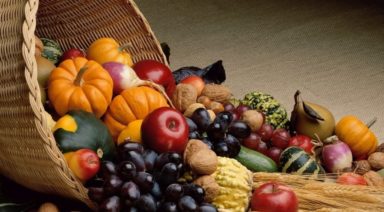
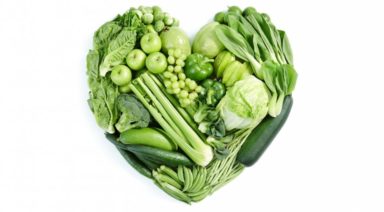
1. Eat natural, fresh, good quality, organic, GMO free foods. Limit processed foods. The quality of the food eaten affects our well-being.
2. Diet varies with activity level and time of the year. Create meals based on foods available at Farmer’s Markets. Don’t be afraid to eat more if your activity level increases.
3. Meals should be simple. Big meals, or combining lots of different foods, can act as a mental and physical sedative.
4. Develop the habit of relaxing around eating. This supports the bodies digestive functions.
5. Exercise keeps the body healthy and helps our bodies utilize the nutrients we consume.
Bon Appetit.
About the Author

Now is the Time for an Ayurvedic Spring Cleanse

Spring has been shown to be the best time for a cleanse, which may just be the best action you can take for your health today. The ancient science of Ayurveda provides a safe, evidence-based, and comprehensive way to do it.
Cleansing, or detoxing the body, has been a key practice throughout the 5,000 years of Ayurveda’s history as a system of natural healing. Now, research explains the impressive results of the Ayurvedic cleanse.
Dr. John Douillard is a leading Ayurvedic practitioner who has been incorporating Ayurvedic detox programs in his practice for decades. He explains that poor digestion is at the core of the need for detoxification.
“I think most people don’t realize that our ability to digest well is directly linked to our ability to detoxify well,” Doulliard said. “In one survey, [it was] reported that 74 percent of the American population have a digestive imbalance of some kind, suggesting that not only are we not getting the nutrition that we need, but we’re also not getting the waste out as efficiently as we could — and there are waste, toxins, and pollutants everywhere. So, even if you eat really clean, which is obviously a really important thing, you’re still being exposed to toxicity, which means that you have to be able to digest well to detoxify that. That’s why Ayurveda is all about making sure with every change of the season, we do our best to reset — a deep rejuvenation to repair the digestion and detox organs and pathways. They’re actually creating a whole new population of bugs in your gut that are based on this year’s model, which gives you the stability and immunity for the entire year.”
Given these compelling reasons, what are the best indicators to notice if it’s time for you to do a cleanse?
“How is your digestion? Do you have a food intolerance? When you look at your tongue in the morning, if it’s white or coated, Ayurveda calls it ‘ama’ or undigested food. When you’re toxic, you’re tired, and not getting the energy from the lymph delivery of fat — your immune system is compromised and you can’t take the trash out, so it starts coming out through your skin. This gives you brain fog, headaches, rashes, indigestion; all these things begin to happen,” Douillard said.