Now is the Time for an Ayurvedic Spring Cleanse

Spring has been shown to be the best time for a cleanse, which may just be the best action you can take for your health today. The ancient science of Ayurveda provides a safe, evidence-based, and comprehensive way to do it.
Cleansing, or detoxing the body, has been a key practice throughout the 5,000 years of Ayurveda’s history as a system of natural healing. Now, research explains the impressive results of the Ayurvedic cleanse.
Dr. John Douillard is a leading Ayurvedic practitioner who has been incorporating Ayurvedic detox programs in his practice for decades. He explains that poor digestion is at the core of the need for detoxification.
“I think most people don’t realize that our ability to digest well is directly linked to our ability to detoxify well,” Doulliard said. “In one survey, [it was] reported that 74 percent of the American population have a digestive imbalance of some kind, suggesting that not only are we not getting the nutrition that we need, but we’re also not getting the waste out as efficiently as we could — and there are waste, toxins, and pollutants everywhere. So, even if you eat really clean, which is obviously a really important thing, you’re still being exposed to toxicity, which means that you have to be able to digest well to detoxify that. That’s why Ayurveda is all about making sure with every change of the season, we do our best to reset — a deep rejuvenation to repair the digestion and detox organs and pathways. They’re actually creating a whole new population of bugs in your gut that are based on this year’s model, which gives you the stability and immunity for the entire year.”
Given these compelling reasons, what are the best indicators to notice if it’s time for you to do a cleanse?
“How is your digestion? Do you have a food intolerance? When you look at your tongue in the morning, if it’s white or coated, Ayurveda calls it ‘ama’ or undigested food. When you’re toxic, you’re tired, and not getting the energy from the lymph delivery of fat — your immune system is compromised and you can’t take the trash out, so it starts coming out through your skin. This gives you brain fog, headaches, rashes, indigestion; all these things begin to happen,” Douillard said.
So just how does this toxicity build-up, according to Ayurveda?
“The fat-soluble heavy metals, pesticides, endocrine disruptors — they’re all fat-soluble, which means they have to be broken down from being fat-soluble to water-soluble so your body can get rid of them. That’s the liver’s job, and the liver takes a beating in our culture. The liver gets overwhelmed and becomes sludgy with bile, the bile becomes thicker and more viscous, so now your whole upper digestive defense is just compromised,” Douillard said.
The ayurvedic cleanse seeks to address these root digestive issues to help the body reset. And now there are mainstream scientific studies to support and explain just how this happens.
“So, Ayurveda has a cleansing system using ghee as the main driver of the cleanse,” Douillard said. “Now, ghee, or clarified butter, uses a natural chelator which means a detoxifying agent to pull toxins out of your deep tissues. Now we have science to back that up with something called lipophilic-mediated detox, where you take a little bit of ghee in your diet and it kicks your body into fat-burning. Then you have a no-fat diet for the rest of the day, and what that does is it forces your body to stay in fat metabolism for the day; the key is to get your body into fat burning.
Other components of the ayurvedic cleanse include the incorporation of a highly digestible mix of mung beans and rice called ‘Kitchari,’ as well as meditative practices to dial down the nervous system.
“While you’re pulling fat out of your deep tissues, Ayurveda says that the molecules of emotion — the old emotional toxins, the mental ‘ama’ — are stored in your fat and muscle. So, when you’re doing this cleanse, you’re pulling those toxins out of your fat cells, and they’re becoming more unscreened, you’re becoming more self-aware of those. You begin to have a level of clarity and awareness that you didn’t have before, more aware of the problems and can initiate a natural, involuntary, spontaneous healing response,” Douillard said.
Thankfully, the wisdom of this ancient science is available to all who are interested in getting to the root cause of disease and uncovering true wellbeing.
Health Benefits of Castor Oil Packs: What You Need to Know
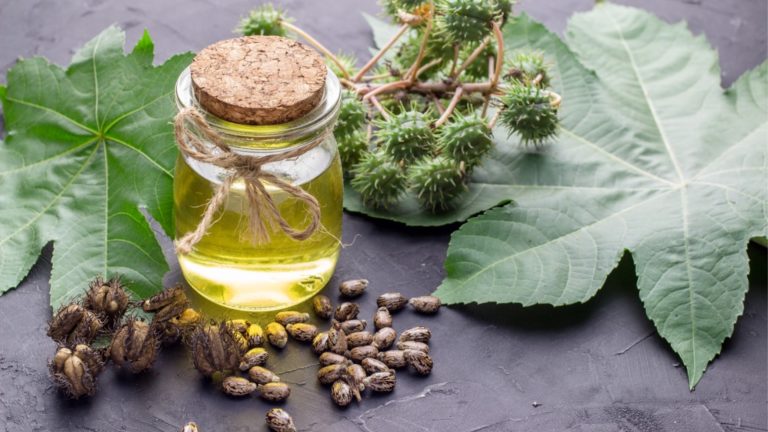
Castor oil packs have been used for centuries as a natural remedy to support overall wellness. Countless people use them for pain relief, skin health, and even to support liver function. Simply soaking a cloth in castor oil and applying it to the skin, these packs are believed to help with detoxification, reduce inflammation, and promote better digestion. While castor oil packs are a relatively simple and gentle healing tool, understanding their proper use is essential to maximizing benefits and minimizing potential side effects.
What is Castor Oil?
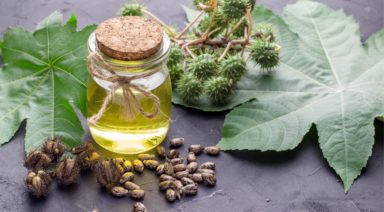
Extracted from the seeds of the Ricinus communis plant, castor oil has been valued for centuries across various cultures for its medicinal and industrial applications. This castor plant, native to Africa, India, and the Mediterranean region, has become one of the world’s oldest cultivated crops. The oil pulled from these seeds is rich in ricinoleic acid, a monounsaturated fatty acid believed to be responsible for many of its therapeutic properties.
Historically, castor oil’s use dates back to ancient Egypt, where it was documented in medical papyri around 1550 BCE, primarily as a laxative to relieve constipation. Over time, its applications have diversified:
- Laxative Properties: Castor oil is approved by the Food and Drug Administration (FDA) as a stimulant laxative. It works by stimulating nerves in the gastrointestinal tract and increasing bowel movements, which helps relieve occasional constipation.
- Skin Care: It serves as a moisturizer to treat or prevent dry, rough, scaly, or itchy skin and minor skin irritations.
- Wound Healing: The oil contains antibacterial and antimicrobial properties that may aid in speeding up wound healing, especially when combined with other substances.
- Anti-Inflammatory Properties: Castor oil may help reduce inflammation and possibly improve blood flow of the lymphatic system.
- Hair Care: It’s commonly used in hair products to condition and moisturize hair, promoting hair growth and overall hair health.