Archangel Guides

From noted references inserted in ancient texts to featured characters in blockbuster films to recent in-person encounters, archangels have become anchored as fixtures in mainstream culture, both historically and presently, who may be called upon by Earth-dwelling beings seeking support during the unraveling of various mortal experiences.
Angels: Divine Spiritual Agents
According to Doreen Virtue, highly regarded author and psychologist, there are three genres of angels, or ethereal, divine spiritual agents, which serve as messengers between humans and their believed higher powers. The first angel tier consists of guardian angels, or an unexplainable felt presence said to unconditionally look out for the personal safety, happiness, and well-being of individuals.
The second tier consists of angels, of which may be called upon by any person for guidance, in exchange for simple acts of gratitude.
The third tier consists of archangels, who are described as “managers” of all the angels (appropriately named given the prefix “arch” translates as “chief” or “ruler” in Greek) and, in some belief systems, act as stewards for the four elements of nature. Exempt from the restrictions of the space time continuum, archangels are said to be capable of simultaneously answering any and every beckoning call placed upon them by human beings.
How Many Archangels Are There?
There are many schools of thought when it comes to the number of archangels which exist, each represented by his or her own mythological significance and history. Several well known archangels appear in the literature and works of art produced by varying belief systems and cultures, and are included in such mediums across spans of time.
Spiritual advisor Radleigh Valentine suggests that each of us has at least two guardian angels assigned to us at birth to look out for our individual physical, mental, and emotional wellbeing. Our realm of existence in this lifetime is composed of several elements which are ever-changing and interacting in concert (think earth, air, water, fire); within our individual vessels a similar chemistry unfolds on a smaller scale. Just as the archangels orchestrate elements, they can act as guides for human beings when called upon.
Archangel Michael
Known as the most powerful of the archangels, Michael is widely regarded as a great protector of physical, mental, and emotional fitness as well as material possessions.
Michael can be called upon as a source of strength, guidance, and release when one is feeling fearful and misled.
Represented by the element of fire, Michael assists in the removal of energetic blockages, the work of Michael can steer individuals in the direction of his or her burning desires and purpose.
Archangel Raphael
An agent of healing, Raphael has long served as a source for those seeking physical, mental, and emotional fortification after and during experiencing injury, addiction, and imbalance; this archangel is also a guide for those offering healing services professionally from doctors to therapists to teachers of yoga and meditation. Raphael watches out for travelers, ensuring smooth transitions and safety over the course of one’s journeys.
Rather appropriately, this angelic being is often associated with the element of air; Raphael can help those seeking his guidance find a sense of lightness and clarity, and lay groundwork for reinstating stability.
Whether it be coming back to the physical body or a geographic location, Raphael ensures those requesting his presence return home.
Archangel Gabriel
This archangel serves as a bridge to understanding between self and self, and self and others. Gabriel is recognized in many traditions as the female counterpart to Michael in terms of rank.
As the patron of communication, Gabriel is a resource of inspiration and helps to abolish procrastination and hesitation tendencies, which can become blocks for individual expression and intuition.
The removal of such obstacles allows for those asking for Gabriel’s aid to submerge themselves in the flow of experiencing, making space for fertility in all its forms: creativity, child-rearing and -bearing, and fiduciary abundance. The archangel correlated with the element of water, the source of all life, assures that those petitioning for assistance effortlessly float through their endeavors rather than drown in overwhelm.
Archangel Uriel
Doreen Virtue likens the presence of Uriel to a “wise uncle.”.
Uriel personifies wisdom and intelligence, and can be referenced in situations involving learning, conflict resolution, and making decisions.
By establishing clarity and truth through knowledge, Uriel supports in the act of grounding. Fittingly, Uriel is an agent of the earth element, and is known for reminding those seeking his assistance that the answers are rooted within self.
How to Find Your Archangel Guides
How do we connect to the appropriate archangel guide to match our particular circumstances and experiences?
A little research can go a long way. Start by getting clear within. What is it you are seeking to fortify or abolish; what do you need or desire? From there, different sources can aid you in determining which archangel will be most beneficial for you to be interacting with.
Accessing connection to an archangel can be done in a matter of minutes. Inspired by the offerings of Margaret Donor, a Past Life Regression Therapist and author, the below steps can help in establishing an intentional, clear pathway for communication:
- Find a relaxed seated posture in a quiet place where you feel comfortable (although establishing a connection with your angel guide can be done at any time, in any place)
- Imagine a ray of light entering your crown, melting muscles of the face, and working its way down the body, into the limbs, and out your feet
- Feel energy being drawn up from the Earth through your feet, traveling back up the body through the crown
- Take three deep breaths, allowing for a sense of trust and tranquility to settle into your bones
- Feeling a sense of connection from your heart to something outside yourself
- Draw your thumb to your third finger on both hands, as a mudra to seal your connection and complete the circuit of energetic exchange from your heart to another outside of yourself. This simple action can be returned to whenever and wherever you find it useful.
How to Ask Your Angels For Help
Once we find the fitting angel guide, how do we ask for assistance?
Just as each archangel corresponds with different elements and situations, we can vary with the manner in which we interact with their energies. Generally speaking, Tom T. Moore, author and entertainment executive, suggests making asks as “benevolent prayers.”
He believes in speaking out loud or writing down asks to higher beings, increasing the potency of the energy behind whatever inquiry you may have, following this formula: “I ask any and all beings to [your ask]. Thank you.”
Moore conveys that by speaking out loud, you are making an affirmation, strengthening your personal belief in the importance and the reality of whatever you are seeking to shift or remedy. Including a message of gratitude is of utmost importance according to Moore.
Angels Love Unconditionally
Doreen Virtue speaks to angel beings’ abilities to unconditionally love, and states “matter doesn’t matter.”
Since every ask, human experience, and belief system is different, there are a multitude of ways in which we are able to communicate with angel guides such as speaking directly, praying, meditation, dreams, and manifestation.
Doreen notes each person possesses certain psychic abilities, which she references as verifiable in studies conducted as several major universities. Doreen suggests delivering a prayer, or asking of any kind, to an angel through thinking or speaking out loud, repeating yourself three times. This instills confidence for you as the seeker of answers that you are capable of handling the outcome of your ask.
About the Author

What Are Nature Elementals and What Types Exist
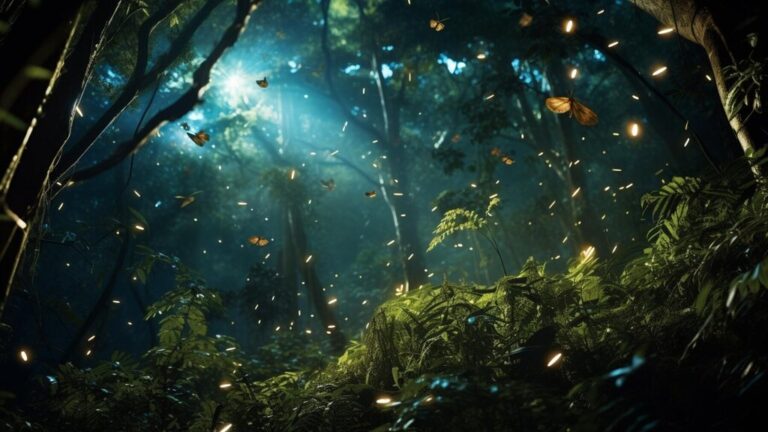
Nature Elementals are spiritual beings that embody the energy of the five elements: earth, air, water, fire, and ether. Their presence has been recognized in different traditions, where they are described as guardians of the natural balance. In this article, we explore what they are, how they act as spiritual guides, and what types of elementals exist.
Table of Contents
- What Are Nature Elementals?
- The Elemental Beings and Their Role as Spiritual Guides
- Types of Nature Elemental Beings
- How to See and Communicate With Elementals
- Nature Elementals in Different Cultures and Traditions
- Elemental Beings in Cinema and Literature
What Are Nature Elementals?
Elementals are subtle manifestations of natural energy that dwell in forests, rivers, mountains, and other spaces. Their role is to maintain harmony in their environment, protecting the vital flow of the elements and ensuring balance. Although they are not visible to most people, their presence can be perceived through intuition and a deep connection with nature.
Throughout history, they have been represented in different ways in myths and stories, described as spirits, guardians, or forces that protect the essence of each element. Beyond these interpretations, their influence continues in various spiritual practices, where they are recognized as allies in connecting with the energy of the planet and awakening consciousness.
The Elemental Beings and Their Role as Spiritual Guides
Elementals not only protect and balance nature, they can also act as Spiritual Guides for those who seek to strengthen their bond with the energy of the environment. Their presence is perceived in meditation practices, rituals, and experiences of connecting with nature, where they can offer guidance in healing processes and personal growth. By connecting with them, many people have experienced greater harmony with the natural cycles of life.
Through interaction with the elementals, it is possible to develop a deeper sensitivity to the spiritual world and the energy that surrounds us. These beings help to awaken awareness about the interconnectedness of all life on Earth, fostering respect for nature and the recognition of its power as a source of wisdom. Their presence is a reminder of the importance of maintaining balance between human beings and the environment that sustains them.
Types of Nature Elemental Beings
Elemental beings are divided according to the element with which they are associated: earth, water, fire, air, and ether. Each has specific characteristics and inhabits environments that reflect their nature. Their presence is manifested in the energy of the environment, influencing the balance and vital flow of nature.
-
Water Elementals
Water elementals are connected with oceans, rivers, lakes, and underground springs. They represent fluidity, intuition, and emotions, influencing the energy of water and the sensitivity of those who perceive them. They are often seen as protective spirits of the waters, ensuring their purity and balance.
- Undines: They inhabit rivers and lakes, guarding the purity of the water. Their energy is said to favor the connection with intuition and emotional healing.
- Nereids: Marine spirits associated with waves and ocean currents. Their presence is linked to renewal and the flow of deep emotions.
- Mermaids: Creatures half human and half fish that appear in many legends. Although sometimes associated with hypnotic songs, they also represent the mystery and power of the ocean.
-
Fire Elementals
Fire elementals represent energy, transformation, and passion. Their presence is perceived in volcanoes, flames, the sun, and any manifestation of heat and combustion. They are considered powerful entities, capable of bringing both destruction and renewal.
- Salamanders: Beings associated with flames and the energy of fire. Their essence is said to inspire creativity, willpower, and the transmutation of energy.
- Djinns: Fire spirits present in the Arab tradition. They are entities with great power of manifestation and transformation, linked to desires and spiritual challenges.
- Phoenix: A mythical bird that rises from its ashes after burning in flames. It represents regeneration, immortality, and the power of constant renewal.
-
Air Elementals
Air elementals are linked to the wind, the atmosphere, and the lightness of movement. They represent the mind, communication, and freedom, and are found in breezes, storms, and air currents. They are seen as bearers of inspiration and messengers between the earthly and spiritual worlds.
- Sylphs: Ethereal spirits that dwell in the winds and clouds. They are attributed with the ability to inspire elevated thoughts and mental clarity.
- Fairies: Magical beings present in multiple traditions. Often associated with the wind and light, they symbolize the connection between nature and the spiritual realm.
- Pegasus: Winged horses that symbolize freedom and the power of the air. Their energy is said to be linked to spiritual elevation and the purity of thought.
-
Earth Elementals
Earth elementals are connected with mountains, forests, caves, and minerals. They represent stability, fertility, and protection, being guardians of the physical world. They are considered caretakers of nature, ensuring its balance and preservation.
- Gnomes: Earth spirits that inhabit forests and mountains. They are protectors of minerals and possess deep knowledge about nature.
- Elves: Beings that reside in vegetation and fertile earth. They are said to help in the growth of plants and the harmonization of the natural environment.
- Trolls: Creatures from Norse mythology associated with mountains and caves. In some stories, they are considered guardians of the earth, while in others, they are hostile and solitary beings.
-
Ether Elementals
Ether elementals are linked to subtle planes of existence, beyond matter. They represent the connection with the divine, space, and the primordial energy that gives rise to all that exists. Their presence is not tied to a physical place but to vibration and the expansion of consciousness. They are perceived in moments of profound spiritual connection, where energy flows freely and the perception of the material dissolves.
How to See and Communicate With Elementals
Perceiving and connecting with elementals requires sensitivity and spiritual openness. Their presence is manifested in the energy of nature, in subtle changes in the environment, or in intuitive sensations. To begin to notice their influence, it is essential to develop a deeper connection with the earth, water, air, and fire, whether through meditation, contemplation, or the practice of rituals in natural spaces.
There are techniques that can facilitate communication with Nature Elementals. Meditation in nature helps attune to their energy, allowing their presence to become more perceptible. It is also helpful to leave symbolic offerings, such as flowers, stones, or water, to show respect and open a channel of communication. Guided visualization and intuition are key tools for receiving messages and establishing a bond with them.
Elementals respond best to those who approach them with respect and a clear intention. Patience is essential, as their manifestation can be subtle and gradual. Some people experience their presence through flashes of light, soft sounds, or inexplicable feelings of peace and harmony. With practice and consistency, the connection with these beings can be strengthened, allowing you to receive their guidance and protection.
Nature Elementals in Different Cultures and Traditions
Elementals have been recognized in diverse cultures throughout history, although with different names and characteristics. In Celtic mythology, for example, there are stories of elves, fairies, and forest spirits that protect nature and possess magical abilities. In Eastern traditions, there are entities like water dragons and wind spirits, which represent the natural forces in balance with the universe.
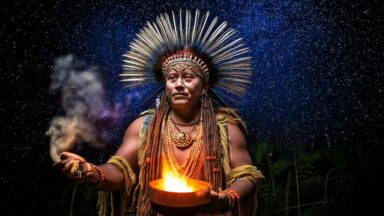
Indigenous cultures have also transmitted stories about Nature Elementals as guardians of rivers, mountains, and trees. In shamanic practices, these spirits are invoked for protection and knowledge, being considered intermediaries between the physical and spiritual worlds. Despite cultural differences, the presence of the elementals reflects a universal connection between humanity and nature.
-
Elementals in Celtic Mythology
In the Celtic tradition, elementals are described as magical spirits that dwell in nature and possess special powers. It is said that fairies, for example, reside in forests and meadows, protecting sacred spaces and granting favors to those who respect them. Gnomes and elves, on the other hand, are guardians of minerals and the fertility of the earth, ensuring the growth of forests and the well-being of animals.
Celtic mythology also mentions sylphs, spirits of the air who influence the weather and the energy of the wind. In some stories, Celtic elementals can be mischievous or benevolent, depending on the relationship people have with them. For the ancient Celts, establishing a bond with these beings was essential for maintaining balance with nature and receiving their protection.
-
Elementals in Shamanic Traditions
The shamanic practices of different cultures recognize elementals as spiritual forces that inhabit nature. Shamans establish contact with these beings through rituals, offerings, and altered states of consciousness, seeking guidance and healing. In many traditions, water spirits are invoked for purification and healing, while fire spirits assist in processes of transformation and energetic release.
Air and earth elementals also play an important role in shamanism. Air elementals are associated with knowledge and spiritual vision, while earth elementals provide stability and connection with ancestors. In these practices, respect for natural spirits is essential, as they are considered allies in harmonizing the body, mind, and spirit.
Elemental Beings in Cinema and Literature
Over time, elementals have been portrayed in movies and books as magical beings that protect nature or as mysterious entities with extraordinary abilities. Their presence in fiction has reinforced the idea that nature is alive and in constant interaction with humans. From fairies and gnomes to water and fire spirits, these beings have captivated the imagination of generations.
- The fairies in Peter Pan: Tinker Bell is one of the most iconic examples of an air elemental. She represents magic, mischief, and the connection with invisible worlds.
- The gnomes in The Hobbit: Although Tolkien calls them dwarves, their connection with the earth, minerals, and craftsmanship makes them similar to the gnomes of ancient legends.
- The salamanders in Spirited Away: The Faceless Spirit (Kaonashi) and the dragon Haku have characteristics of fire and water elementals, showing their duality of power and transformation.
- The nymphs in Percy Jackson and the Olympians: In this saga, the water and tree nymphs interact with humans, showing their role as guardians of nature.
- The forest spirits in Princess Mononoke: The Kodamas are small luminous creatures that represent the soul of the forests and the importance of preserving natural balance.