Remote Viewing in Sidereal Time Can Enhance Telepathy

There appears to be evidence that psychic phenomena can be affected by external factors, including geomagnetic forces and our alignment with the cosmos. As strange as this may sound, researcher James Spottiswoode discovered significant data showing that remote viewing in sidereal time is directly correlated with success, or lack thereof, based on our orientation to the center of the Milky Way Galaxy. Though, he doesn’t know exactly why.
How One Researcher Knew to Calculate Sidereal Time
Sidereal time is a method used by astronomers to keep track of celestial objects. It is based on a time scale of Earth’s rotation in relation to fixed stars in the sky and was used to discover the mysterious nature of pulsars, the highly-magnetized, rotating neutron stars – a source of gravitational waves. But Spottiswoode’s use of sidereal time could point to something more intriguing than gravitational waves; possibly a source emitting or influencing our consciousness.
At a certain point during the day, our zenith, or the point in the sky directly above us, aligns with a particular point in the galaxy. Rather than measuring time based on the Earth’s orientation with the sun, one can measure time based on Earth’s orientation to this galactic point. Days measured in this sense are shorter than solar days by about four minutes, lagging by a little more than one day per year.
So, what does this have to do with remote viewing and psychic phenomena? It turns out that there are peak times during the day when our orientation to the galactic center can enhance success with remote viewing and psychic ability, what Spottiswoode refers to as anomalous cognition. There are also times during the day when psychic ability can be adversely affected by our orientation with the galaxy.

Spottiswoode came to this conclusion by examining a dataset of 20 years worth of psychic research, containing 1,524 trials, between 22 different studies. He found a 400 percent spike in the success rate of tests from remote viewing sessions and wondered what could be causing it. Upon initially examining the time of day when the sessions were being conducted, based on solar time, he kept finding discrepancies. But when organizing the data based on sidereal time, Spottiswoode found a correlation.
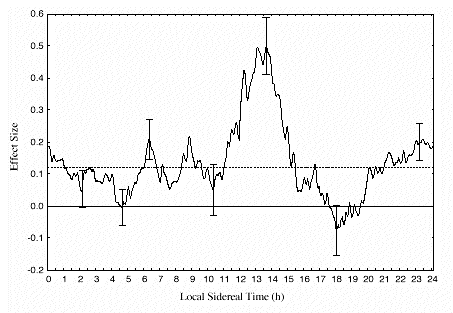
At 13:30 h local sidereal time (LST), the data showed that one would have 400 percent greater success with remote viewing. At this time, our planet is oriented with the Milky Way so that the galactic center is located directly on the horizon. This daily period of peak psychic cognition lasts for about three and a half hours, from 12:45 to 14:15 h LST. When the center of the galaxy is directly overhead, or at our zenith, psychic cognition drops to its lowest point, between 17.5 and 20 h.
This Spottiswoode Peak, as it came to be known, had to be connected with something outside of our solar system because sidereal time is based on right ascension, or a longitudinal line to a fixed point in the sky, which rules out anything local due to planetary movement.
But what exactly was this data that Spottiswoode was analyzing and who was he exactly?
Is Remote Viewing Real?
James Spottiswoode is a parapsychologist who has worked on an array of government-funded projects investigating psychokinesis and ESP. He also worked with the Stanford Research Institute during its CIA-funded remote viewing program, known as the Star Gate Project. During his time studying telepathy, Spottiswoode ran experiments testing quantum optics and extremely low-frequency electromagnetic waves on psychic functions.
In addition to discovering the sidereal effect, Spottiswoode found correlations between solar wind and geomagnetic activity in his measurements of anomalous cognition.
During times of low geomagnetic activity, he found that there was an increase in telepathic experiences. This he says, is the only known physical variable that affects anomalous cognition. Geomagnetism is due to interactions between solar wind and the ionosphere, when ionized plasma from solar storms hits the Earth, causing fluctuations in our geomagnetic field. So, if you want to optimize your remote viewing session, make sure you fall within the right sidereal window and plan to view when the solar forecast is clear.

But with all of this evidence, is remote viewing actually real? What did Spottiswoode make of all of this? While his goal was to look empirically at the data and not attempt to measure the quality of the successful sessions, he concluded that the effect sidereal time had on remote viewing was indeed real. He collected data from a new sample of 1015 trials to verify his findings on the original set, reaching the same conclusion. But could there have been a more mundane explanation?
He said that had he found it to correlate with our solar day, he would have associated the phenomenon with circadian rhythms or our scheduled work days, but this wasn’t the case. “…I’ve checked my data carefully and those kinds of effects could not mimic the sidereal correlation I found. Don’t ask me what it is, but it’s real,” he said.
Further research has found the same effect to occur on precognition in animals. One study found a correlation with the 13.5 h sidereal time on Zebra Finches’ precognitive reaction to a stimulus. A correlation was also found on a precognitive test run by Rupert Sheldrake, another researcher who studies psychic phenomena. During this experiment, subjects were tested to see if they could tell who was calling them on the phone before answering. They found subjects were significantly more likely to predict their caller during the peak, 13.5 h sidereal time, compared to the 19 h sidereal time.
If Spottiswoode’s discovery is real it warrants further research into the phenomenon and what could possibly be causing it. Unfortunately, government funding in projects relating to psychic phenomena and remote viewing was cut years ago, at least as far as we know. But for those who meditate, remote view, or astral project, sidereal time should be taken into consideration during your practice. It’s relatively easy to calculate, with websites that let you know what your LST is. Have you ever experienced enhanced psychic cognition due to sidereal time?
About the Author

Spiritual Channeling: Discover Your Hidden Abilities
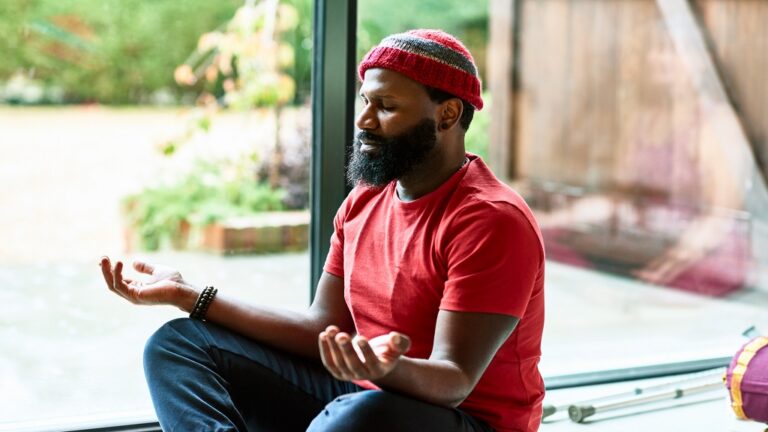
Spiritual channeling is a practice in which a person acts as a conduit to receive messages from entities or spiritual guides. This ability, which has been part of various spiritual traditions throughout history, is considered a powerful tool for divine connection and personal growth. This article explores what spiritual channeling is, the different types that exist, and how anyone can access this capability.
Table of Contents
- What Is Spiritual Channeling?
- Types of Spiritual Channeling
- Who Can Channel Spiritually?
- How Is Spiritual Information Received?
- Benefits of Spiritual Channeling
- Basic Exercise for Spiritual Channeling
What Is Spiritual Channeling?
Spiritual channeling is the process by which a person receives messages and information from non-physical beings, such as spirit guides, angels, ascended masters, or even deceased souls. This communication can be conscious or unconscious and can occur in various forms, such as automatic writing, spoken words, or internal visualization.
There are different levels and types of channeling, ranging from everyday intuition to the transmission of complex and profound messages. For many, channeling is a way to receive spiritual guidance, heal emotionally, and gain clarity on different aspects of life. Practicing channeling requires an open mind, meditation, and often the guidance of an experienced mentor or teacher.
In the series Channeling: A Bridge to the Beyond, available on Gaia, the experiences of different channelers and the techniques they use to connect with spiritual entities are explored. This series offers an in-depth look at how channeling can transform lives and provide a direct connection with the spiritual realm.
Types of Spiritual Channeling
Spiritual channeling can manifest in many forms, and the messages may come from different sources or entities from the subtle plane. These spiritual energies or intelligences act as guides, transmitters of wisdom, or companions on the path of personal and spiritual growth. Each type of channeling offers a particular connection, tailored to the needs and experiences of each individual.
- Spiritual Guides: This refers to the connection with personal Spiritual Guides who provide wisdom, guidance, and support on the journey of life. These guides can offer perspectives on important decisions and difficult situations. By working with them, one can gain a clearer understanding of their life purpose.
- Akashic Records: This allows access to the ethereal library that contains the history and knowledge of all souls, providing information about past lives and potential futures. The Akashic Records are an inexhaustible source of spiritual knowledge.
- Ascended Masters: This involves communication with enlightened beings who have transcended reincarnation and offer advanced spiritual teachings. These Ascended Masters can impart profound wisdom and tools for spiritual development.
- Nature Elementals: This consists of connecting with the energies of nature and its Elementals, such as spirits of water, air, fire, and earth, to receive wisdom about the natural environment and strengthen the bond with the Earth. This practice fosters a deeper relationship with nature and inspires greater ecological awareness.
- Angels or Archangels: This consists of receiving messages and energies from angels or archangels, who offer protection, unconditional love, and divine guidance. These entities can assist in times of need and provide comfort during moments of distress. Their presence is often perceived as a warm, serene, and comforting energy.
- Deceased Loved Ones: This involves communicating with the souls of people who have passed away, offering messages of comfort and guidance to their loved ones on Earth. This practice can provide closure and emotional relief to those experiencing grief, bringing peace through the knowledge that their loved ones continue to exist on another plane.
Who Can Channel Spiritually?
It is an innate ability in every human being. The capacity to connect with spiritual energies and guides is not reserved for a select few; it is a skill that all humans naturally possess. Since ancient times, various cultures have recognized and cultivated this natural ability, demonstrating that with practice and openness, anyone can develop their channeling potential.
Although some individuals may have a natural sensitivity or past experiences that make channeling easier for them, everyone can learn to develop this ability. Regular meditation, an open mind and heart, and a clear intention are essential for those who wish to explore this ability. With time and dedication, anyone can learn to receive and understand messages from the spiritual world.
Constant practice and a willingness to learn are fundamental for anyone wanting to channel. Additionally, trusting oneself and the sensations that arise is crucial for strengthening this spiritual connection, allowing messages to flow more naturally and effectively.

How Is Spiritual Information Received?
Channeling manifests in various forms, each with its own method of connection with the spiritual world. These forms include clairvoyance, clairaudience, clairsentience, and claircognizance.
Clairvoyance
Clairvoyance is the ability to see with the “mind’s eye” images, symbols, or visions that convey spiritual information. This gift allows the reception of visual messages that provide guidance and insight into present or future situations. People with clairvoyance often describe their experiences as seeing movies or images in their minds, helping them better understand messages from spiritual guides.
Clairaudience
Clairaudience is the ability to hear spiritual messages that do not come from the physical world. These messages can be received as internal voices, sounds, or even music, offering guidance and answers to important questions. Those who develop clairaudience can tune into the voice of their spiritual guides and receive valuable information through sound and words.
Clairsentience
Clairsentience is the ability to feel and perceive emotions and sensations that come from spiritual sources. People with this gift can experience feelings that inform them about the energy or intention behind a situation or entity. Clairsentience enables a deep and empathetic connection with the spiritual world, providing an intuitive and emotional understanding of the messages received.
Claircognizance
Claircognizance is intuitive knowledge that arrives without logical explanation or prior reasoning. This gift manifests as a sudden certainty or an instant understanding of spiritual information. Those with claircognizance receive insights and answers to their questions spontaneously, relying on their intuition and the deep knowledge that emerges from their connection with the spiritual world.
Benefits of Spiritual Channeling
Spiritual channeling offers numerous benefits that can enrich both the personal and spiritual life of the practitioner. By connecting with spiritual guides and other entities, individuals can receive guidance, healing, and a greater understanding of their life purpose. These benefits not only enhance the quality of life but also promote a sense of peace and connection with the universe.
- Guidance and direction: Channeled messages provide clarity and insight for important decisions and challenging situations, helping individuals make choices that align with their personal life purpose.
- Emotional healing: Channeling can reveal and release repressed emotions, facilitating the healing of past traumas and emotional wounds. This process leads to deeper and longer-lasting emotional well-being.
- Spiritual growth: Connecting with spiritual entities elevates consciousness and expands spiritual understanding, fostering personal development and a stronger connection with the divine.
- Mental clarity: Receiving spiritual messages can resolve doubts and confusion, offering a clearer perspective on situations and reducing stress and anxiety.
- Life purpose discovery: Channeling can help uncover and understand one’s life purpose and soul missions, providing a deeper sense of meaning and direction in everyday life.
- Spiritual protection: Connecting with spiritual guides provides a sense of security and energetic protection, helping individuals navigate life’s experiences with greater confidence and resilience.
Basic Exercise for Spiritual Channeling
To begin with spiritual channeling, it is essential to establish a routine that prepares your mind and environment for connection with the spiritual world. Below is a simple and effective exercise you can incorporate into your daily practice to develop your channeling abilities.
- Prepare the environment: Find a quiet place where you will not be interrupted. You can use candles, crystals, or incense to create a conducive atmosphere that elevates your vibration and facilitates spiritual connection.
- Set an intention: Before beginning, set a clear intention for your practice. This could be something like “I am open to receiving guidance and wisdom from my spiritual guides.”
- Meditation and deep breathing: Start with meditation and deep breathing exercises to calm the mind and open your heart. Regular meditation helps develop concentration and elevate your energy, which is crucial for channeling.
- Protective visualization: Imagine a white light surrounding you. This light serves as a shield, protecting and purifying you, creating a safe space for spiritual communication.
- Record your experiences: Keep a journal to write down your experiences and the messages you receive. This will help you identify patterns and improve your channeling ability over time.
As you practice this exercise, be patient and trust the process. Your first attempts may not yield clear messages, but with dedication and persistence, your connection will strengthen. Over time, your ability to channel will become more natural and fluid, allowing you to receive and understand spiritual messages with greater clarity.