How to Activate the Pineal Gland and Open the Third Eye

The pineal gland is known as the third eye because of its role in perception and awareness beyond the physical senses. Activating this gland can lead to transcendental experiences and a heightened state of well-being. In this article we explore what the pineal gland is, how to activate it and the benefits of opening the third eye.
Table of Contents
- What Is the Pineal Gland?
- What Does It Mean to Activate the Pineal Gland?
- Benefits of Activating the Pineal Gland
- 3 Techniques to Activate the Pineal Gland
- Consequences of Activating the Pineal Gland
- Dangers of Activating the Pineal Gland
- Frequently Asked Questions About Pineal Gland Activation
What Is the Pineal Gland?
The pineal gland is a small organ about the size of a grain of rice, located in the center of the brain, between the back of the throat and the back of the head. Historically, it has been known as the “third eye” because of its ability to influence our perception and awareness beyond the physical senses. Its main function in three-dimensional reality is the production of melatonin and serotonin, neurotransmitters crucial to the regulation of sleep and wakefulness.
In addition to regulating the sleep cycle, the pineal gland is also associated with perception and intuition. Many spiritual and mystical traditions consider it the portal to higher dimensions of consciousness and the key to accessing a heightened state of perception and connection with the universe. This small gland acts as a transducer, converting energy frequencies into inner sensory experiences.
What Does It Mean to Activate the Pineal Gland?
Activating the pineal gland involves awakening its ability to perceive beyond physical reality, opening the third eye and allowing a deeper connection with the quantum field and spiritual dimensions. This process is achieved through practices that increase your sensitivity to energetic frequencies, stimulating your internal calcite crystals to act as information receiving antennae.
When the pineal gland is activated, a series of biochemical changes occur in the brain. Melatonin is transformed into more powerful metabolites that induce altered states of consciousness, allowing inner visions and transcendental experiences. This activation can lead to a sense of deep connection with the universe and greater spiritual clarity.
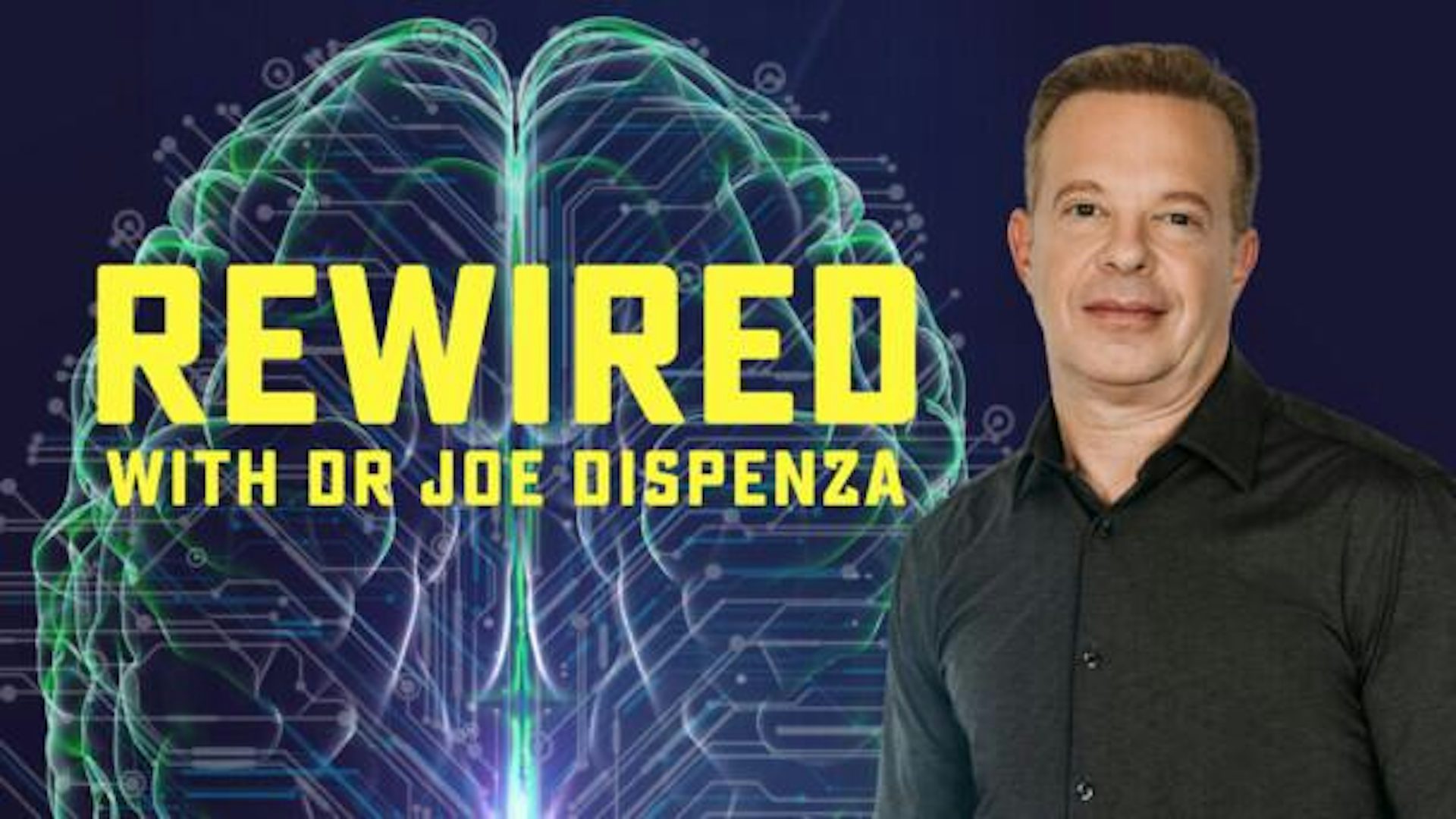
In Rewired, available on Gaia, Dr. Joe Dispenza explains in detail what it means to activate the pineal gland and how this process allows for a deeper connection to the quantum field and spiritual dimensions.
Benefits of Activating the Pineal Gland
Opening the third eye has multiple benefits, spiritually, physically and emotionally. Some of these benefits include:
- Increased intuition: Allows a clearer and deeper perception, helping in decision making and in the understanding of complex situations.
- Spiritual connection: Facilitates mystical experiences and a deeper connection with the universe and the inner self.
- Stress reduction: Practices associated with pineal gland activation promote relaxation and mental calmness.
- Improved sleep: Melatonin regulation improves sleep cycles, allowing for a more restful sleep.
- Development of creativity: By accessing higher states of consciousness, creativity and the ability to innovate are enhanced.
- Emotional balance: Helps to manage emotions more effectively, promoting stability and overall well-being.
3 Techniques to Activate the Pineal Gland
To activate the pineal gland and open the third eye, it is essential to use specific techniques that promote the stimulation of this gland. Joe Dispenza, in the Rewired series, details several practices that can facilitate this activation.
-
Breathing and Muscle Contraction
One of the main techniques to activate the pineal gland is deep breathing combined with muscle contraction. This practice involves inhaling deeply from the perineum, the base of the spine, to the top of the head, while contracting the intrinsic muscles of the body. The contraction of these muscles, along with breath holding, creates a mechanical pressure that stimulates the calcite crystals in the pineal gland, generating an electrical charge known as the piezoelectric effect.
This process of breathing and contraction not only increases the energy in the spine, but also helps to direct the flow of energy to the pineal gland. This practice, when done consistently and correctly, can lead to the activation of the gland, allowing the perception of frequencies beyond the physical senses and the opening of the third eye.
-
Visualization and Mental Focus
Another important technique for pineal gland activation is visualization and mental focus. During meditation sessions, it is recommended to focus attention on the area between the eyes, where the third eye is located, and imagine an intense light shining in that area. This visualization helps to activate the pineal gland and strengthen its ability to receive and convert energy frequencies into images and internal sensory experiences.
Mental focus also involves maintaining a clear intention and a state of deep relaxation. By reducing brain waves to alpha and theta levels, it facilitates connection with the quantum field and enhances the pineal gland’s ability to pick up and interpret energetic information. This state of relaxation and focus is crucial for experiencing inner visions and reaching higher states of consciousness.
-
Meditation to Open the Third Eye
Meditation is a powerful tool for the activation of the pineal gland. Following Joe Dispenza’s methods, it is possible to perform a guided meditation that includes specific steps to stimulate this gland and open the third eye. The following is a step-by-step approach to this meditation:
- Initial preparation: Find a quiet place and sit comfortably. Close your eyes and begin to breathe deeply to relax.
- Focus on breathing: Inhale deeply from the perineum to the top of the head, while contracting the intrinsic muscles of the body.
- Breath Hold: Once you have fully inhaled, hold your breath and maintain the muscle contraction. Feel the energy move into the pineal gland.
- Visualization of light: Visualize an intense light between your eyebrows, in the area of the third eye. Keep your focus on this light while continuing to hold your breath.
- Release and repeat: Exhale slowly and relax the muscles. Repeat this process several times, gradually increasing the duration of breath holding.
- Closing the meditation: At the end of the session, allow your breathing to return to its natural rhythm and remain in a state of deep relaxation for a few minutes before opening your eyes.
Consequences of Activating the Pineal Gland
Activation of the pineal gland modifies the way reality is perceived. Many people report an increased sensitivity to surroundings, emotions and even to their own and others’ thoughts. This expansion of perception can improve decision-making and intuitive understanding of complex situations.
It is also common to experience a sense of synchronicity with the rhythms of nature and the body. Some people begin to perceive patterns, signals or coincidences more frequently, which can generate a sense of inner guidance or clearer purpose. This connection can strengthen spiritual practices such as meditation, contemplation or energy work.
On the other hand, it is common for the sense of time to change. During deep meditative states or after sustained practice, the perception of the past and the future may become more fluid. This does not imply a disconnection from reality, but a new way of experiencing the present from a state of greater clarity.
Dangers of Activating the Pineal Gland
Although pineal gland activation can bring profound benefits, it has also been the subject of many myths and misunderstandings. It is not dangerous in nature, but it does require respect, awareness and preparation. It is essential to understand that it is not necessary to be afraid, but to act with caution and emotional balance when exploring these states of consciousness.
- Emotional overload: When opening the third eye, repressed emotions may emerge. This is not negative, but can be overwhelming if not addressed with proper accompaniment.
- Energetic imbalance: An abrupt awakening can alter the internal balance. It is key to advance progressively and take care of the physical body during the process.
- Sleep disturbances: Increased sensitivity to energies can modify sleep cycles. Lucid dreams or temporary insomnia are common and tend to stabilize with continued practice.
- Confusion or disorientation: The expansion of consciousness may generate a different perception of reality. This does not mean losing control, but it may require time for integration.
- Social isolation: Some people feel disconnected from their environment when they have new perspectives. It is important to maintain healthy bonds and share the process with people you trust.
Activating the pineal gland is a path of self-knowledge, not a dangerous practice. With proper guidance and a mindful approach, the benefits far outweigh the potential challenges.
Frequently Asked Questions About Pineal Gland Activation
Many people approach pineal gland activation seeking spiritual expansion, inner healing or a deeper connection with reality. However, to move forward with safety and clarity in this process, it is important to resolve common doubts that often arise in practice. Below, we answer the most frequently asked questions based on real experiences and proven principles within the spiritual and energetic realm.
How long does it take for the pineal gland to activate?
Time varies from person to person and consistency in practice. Some people notice changes in a few weeks, while others require months or more. The key is regular practice, clear intention and a lifestyle that supports holistic wellness.
Is it safe to activate the pineal gland?
Yes, as long as it is done with proper techniques and a conscious attitude. Although temporary side effects such as intense dreams or emerging emotions may arise, it does not represent a danger if approached with respect and balance.
What does it feel like to open the third eye?
Effects can include greater mental clarity, spiritual connection, vivid dreams and more intuitive perception. Each experience is unique, but many people report a sense of well-being, presence and expanded awareness.
How do I know if I have an activated pineal gland?
Some common signs are more finely tuned intuition, sharper inner perception, frequent lucid dreaming, and a sense of connection to the present. You may also notice an increased sensitivity to energy or spontaneous moments of deep mental clarity.
Is it possible to close the third eye after opening it?
It does not shut down completely, but its activity may decrease if the practice is abandoned or if there is an emotional or energetic blockage. Resuming meditation and habits that favor activation can restore its functioning.
Can I activate the pineal gland without previous spiritual experience?
Yes, it is not necessary to have advanced knowledge to begin. The important thing is to approach it with an open mind, discipline and a willingness to explore the inner world. The techniques are accessible to anyone committed to personal development.
About the Author

Telekinesis: Is It Possible To Move Objects With Your Mind?

Telekinesis is the ability to move objects solely with the power of the mind, without using physical means. While some may see it as science fiction, many people have reported experiences and phenomena that support the existence of this extraordinary mental gift. In this article, we explore what is telekinesis, how it differs from psychokinesis, and whether it’s truly possible to develop this ability.
Table of Contents
- What Is Telekinesis?
- Differences Between Telekinesis And Psychokinesis
- Can Telekinesis Be Developed?
- Exercise To Learn How To Move Objects With The Mind
- The Science Behind Telekinesis
- Famous Cases Of Telekinesis In History
- Telekinesis In Film And Literature
What Is Telekinesis?
Telekinesis is the ability to move or alter objects at a distance using only the mind. This ability is part of what’s known as psychic powers or extrasensory perception and is believed to work through the mental energy we all possess. From ancient accounts to modern studies, telekinesis has been a fascinating topic for those seeking to explore the limits of human potential.
Throughout history, telekinesis has been studied in both spiritual practices and scientific research. Numerous experiments have attempted to understand how the mind can influence matter, and many people believe this ability is real, although dormant or underdeveloped in most of us. In many traditions, telekinesis is seen as a spiritual skill that can be strengthened through meditation and advanced mental practices.
In Gaia’s series Divine Science, experts explore ancient knowledge and the contemporary science revealing that psychic phenomena appear to be fundamental to human survival, embedded deep within our genetic code.
Differences Between Telekinesis And Psychokinesis
Although the terms “telekinesis” and “psychokinesis” are often used interchangeably, there is a slight difference between them. Telekinesis specifically refers to the movement of objects at a distance, while psychokinesis has a broader meaning, encompassing any mental influence over matter. This includes phenomena like altering temperature, manipulating energy fields, or changing the state of certain elements.
Can Telekinesis Be Developed?
With proper practice and dedication, it is possible to develop telekinesis. Like other psychic abilities, it is believed that all human beings have the potential to manifest it, although at different levels. Through meditation, mental focus, and a deep connection with internal energy, the mind can be strengthened and trained to consciously influence the physical world.
Many people who practice telekinesis do so through discipline and the training of their mental energy. There are various techniques that help channel the power of the mind toward physical objects, progressively increasing the ability to move or manipulate things without physical contact. The key lies in cultivating concentration and connection with the environment, developing an affinity between mind and matter.
Exercise To Learn How To Move Objects With The Mind
To develop telekinetic powers, it’s essential to start with exercises that strengthen concentration and control of mental energy. These exercises must be practiced regularly to observe meaningful progress.
- Deep meditation: Relax and breathe deeply, visualizing energy flowing from your mind toward the object. Keep your focus on the mental connection with the object for at least 15 minutes. Consistency in this exercise strengthens the bond between mind and matter.
- Concentration on a small object: Choose a lightweight object, like a feather, and stare at it. Imagine your mental energy surrounding it and slowly beginning to move it. Repeat this exercise until you feel the object responding to your intention.
- Visualization of movement: Close your eyes and imagine the object moving in the desired direction. Focus on the sensation of control and the energy you’re projecting toward it. The clearer the visualization, the greater your ability to influence movement.

The Science Behind Telekinesis
Although conventional science has not yet conclusively proven the existence of telekinesis, some researchers have conducted experiments to explore the potential of the human mind. Studies in the field of parapsychology, such as those carried out by the Institute of Noetic Sciences, have analyzed how consciousness might influence the physical world. These experiments seek to find patterns and understand possible connections between mental energy and matter.
Advances in quantum physics have also sparked debates about the relationship between the mind and material reality. Some theories suggest that the mind could have an impact at the subatomic level, where particles respond to observation and intention. Although this is not definitive evidence, these investigations open the door to the possibility that consciousness plays a more active role in shaping physical reality than previously thought.
On the other hand, neuroscience has studied how altered mental states, such as deep meditation or extreme concentration, can affect cognitive and perceptual abilities. These investigations aim to understand how the brain might activate unexplored areas potentially related to abilities like telekinesis, although this is a field still in its early stages of research.
Famous Cases Of Telekinesis In History
Throughout time, several individuals have been recognized for their alleged telekinetic powers, either through public demonstrations or under the observation of researchers. Although some of these cases remain debated, their stories have made a significant mark on the exploration of the paranormal.
- Nina Kulagina: Famous in the Soviet Union, she demonstrated the ability to move objects solely with the power of the mind in various experiments under controlled conditions. Her skills included moving small objects without touching them, sparking the interest of scientists and parapsychologists.
- Uri Geller: An Israeli illusionist who gained global fame in the 1970s for his telekinesis demonstrations, including bending spoons with his mind. Although his work was controversial, his influence in the paranormal field remains strong.
- Stanislawa Tomczyk: In the early 20th century, this Polish medium was studied by scientists who observed her move or alter objects at a distance using only her mind, with motionless hands. She was credited with several telekinetic phenomena during her spiritual sessions.
- Matthew Manning: A Briton who began displaying psychic abilities in adolescence, especially known for his telekinetic powers. Numerous studies were conducted on his abilities, including his capacity to levitate objects.
- Eusapia Palladino: An Italian medium who performed telekinesis demonstrations in Europe and America in the late 19th century. Despite controversies surrounding her methods, several researchers claimed to have witnessed genuine phenomena during her sessions.
Telekinesis In Film And Literature
Telekinesis has played a central role in many works of film and literature, helping explore the limits of mental power and its effects on characters. These stories often feature protagonists who, upon discovering their telekinetic abilities, face both advantages and profound responsibilities.
- “Carrie” by Stephen King: This iconic horror novel tells the story of Carrie White, a teenager with telekinetic powers who suffers abuse both at home and at school. When her powers erupt during a traumatic event, she uses her ability to move objects to exact revenge, triggering an epic tragedy. The story raises deep questions about rage, emotional repression, and uncontrolled power.
- “Matilda” by Roald Dahl: In this beloved classic, Matilda is a prodigy who discovers she can move objects with her mind to stand up to the cruel adults around her. Her telekinesis becomes a tool to release frustration and right daily injustices, especially from her tyrannical school principal. The story is a celebration of intelligence, kindness, and bravery.
- “Akira” by Katsuhiro Otomo: In this groundbreaking manga and anime, Tetsuo, a young man from Tokyo, develops unstable telekinetic abilities after an accident. His newfound powers lead him down a path of destruction as he loses control of his mental abilities. Akira explores telekinesis as a metaphor for unlimited power and psychological vulnerability.
- “X-Men” (Marvel Comics): Jean Grey, one of the most complex characters in the X-Men universe, possesses immense telekinetic and psychic abilities. Her power to move objects, combined with her other mental capabilities, makes her one of the most powerful—and dangerous—mutants. Her storyline, especially in the Dark Phoenix Saga, shows how telekinesis can be both a gift and a curse when left unchecked.
- “Star Wars” by George Lucas: In the Star Wars saga, Jedi and Sith use telekinesis through the Force, a mystical energy that allows them to move objects, manipulate their surroundings, and even influence minds. From lifting starships to disarming enemies, Jedi like Luke Skywalker and Sith like Darth Vader demonstrate how telekinesis can serve as both a tool of protection and a weapon of destruction.