What Is Spiritual Awakening and What Are Its 5 Stages

Spiritual awakening is a transformative process through which a person connects with their deepest essence and the spiritual reality surrounding them. Below, we explore what spiritual awakening truly means and detail the five key stages that make up this inner journey, providing a guide for those seeking to deepen their own spiritual growth.
Table of Contents
- What Does It Mean to Have a Spiritual Awakening?
- Signs of a Spiritual Awakening
- The 5 Stages of Spiritual Awakening
- Practices to Integrate Spiritual Awakening
- Differences Between Spiritual Awakening and Awakening of Consciousness
- The Matrix: A Metaphor for Spiritual Awakening
- The Best Books to Read During a Spiritual Awakening
What Does It Mean to Have a Spiritual Awakening?
Experiencing a spiritual awakening means entering a state of consciousness where one’s perception of life, the universe, and the self undergoes a radical shift. This transformation leads to a deeper and more meaningful understanding of existence, marking the beginning of a path toward spiritual understanding and self-realization.
During this process, an interest in exploring profound existential questions awakens, seeking meanings beyond mundane concerns. The connection with the cosmos and the nature of being takes on new significance, fostering a sense of unity with everything around us.
As one goes through this process, they often experience a renewed sense of peace, an intensified feeling of unity with the world, and a detachment from worldly desires and conflicts. It is not merely a passing phase but a profound change that alters how one relates to their environment and themselves.
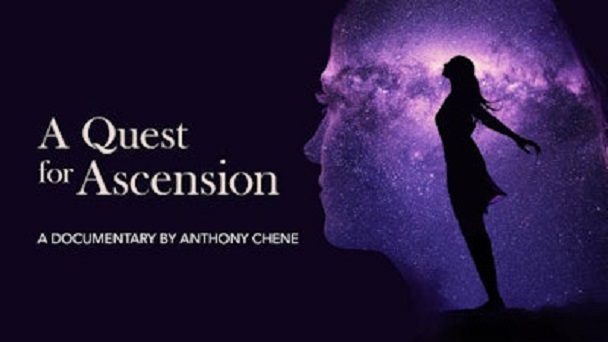
In the documentary A Quest for Ascension, available on Gaia, the topic of spiritual awakening is explored through important spiritual traditions such as early Christianity, shamanism, Buddhism, Hinduism, and Toltec wisdom. This documentary examines how ancestral wisdom can help us rediscover deep truths about who we truly are and the meaning of life, revealing the essential truth that all is one.
Signs of a Spiritual Awakening
Spiritual awakening often manifests through a series of clear signs that indicate a deep and ongoing shift in personal consciousness. These signs reflect significant transformations on both emotional and cognitive levels, acting as indicators of an internal process in full development.
- Existential questioning: A constant search for answers to big questions about the meaning and purpose of life, beyond the conventional explanations offered by society.
- Reevaluation of beliefs: A tendency to question and critically review fundamental beliefs about life, death, spirituality, and other essential topics.
- Increased intuition: A deeper and clearer connection with intuition, helping to make decisions more aligned with one’s authentic essence.
- Renewed sense of purpose: A renewed sense of direction and purpose in life, as if destined to fulfill a particular mission or role that contributes to collective well-being.
- Connection with nature: A stronger and more meaningful connection with nature, finding peace and harmony in its beauty and tranquility.
- More time in solitude: Comfort in spending more time alone, using those moments to reflect and connect with the inner self.
- Awareness of unity: The feeling of being part of something much greater, recognizing the connection with the whole and the interdependence of all life.
- Shift in perception of death: A changing view of death, seeing it as a natural part of the life cycle rather than something to be feared.
- Longing for meaning: A strong desire to live meaningfully, seeking to deepen the understanding of life and one’s role in the world.

The 5 Stages of Spiritual Awakening
The process of spiritual awakening can be understood through five stages, based on the archetype of the “Hero’s Journey” developed by Joseph Campbell. This scholar of mythology described the hero’s journey as a series of universal steps that heroes undergo in myths and legends, reflecting a profound personal transformation.
These stages not only represent a significant shift in one’s perception and understanding of themselves but also parallel the steps of the hero in their adventure toward discovery, trial, victory, and transformative return.
-
First Stage: The Call
The first stage, “The Call,” begins when disruptive events or deep dissatisfaction prompt the individual to question the foundations of their life. This awakening often starts with a feeling that something needs to change, whether due to a personal crisis or a deep longing for something more meaningful.
This moment may be accompanied by a series of signs, vivid dreams, or meaningful encounters that inspire the person to seek a deeper sense in life. Synchronicity plays an important role here, confirming the need for change.
-
Second Stage: The Dark Night of the Soul
In the Dark Night of the Soul, individuals face their deepest shadows and limitations. This stage is characterized by a period of intense introspection, where old identities and beliefs are challenged and often dismantled.
This period is seen as a test of faith and resilience, where the person must confront and overcome their inner demons. It is a stage of great suffering, but also immense transformation.
-
Third Stage: The Transformation
After the Dark Night of the Soul comes the stage of “The Transformation,” where the individual begins to integrate the new truths and perceptions they have discovered about themselves and the universe. This is a time of significant internal reconstruction, where values, beliefs, and new life purposes are redefined.
During this stage, the person may discover new abilities or talents that arise from their renewed understanding and spiritual connection. It is a period of great creativity and empowerment.
-
Fourth Stage: The Hermit
The Hermit stage is characterized by a period of introspection and voluntary solitude. In this phase, the individual withdraws from the distractions of the external world to deepen their new understanding and strengthen their spiritual connection.
During this time, the hermit develops a greater intimacy with their inner self and a deeper connection with the divine. It is a period of continuous learning and the establishment of spiritual practices.
-
Fifth Stage: Materialization
Finally, “Materialization” marks the culmination of the spiritual journey, where the individual emerges from retreat to put their renewed understanding and skills into practice. In this stage, concrete actions are taken that reflect internal changes, positively influencing the community and environment.
In this stage, the individual becomes a beacon of light and knowledge for others, sharing their wisdom and guiding others on their own spiritual journeys. Materialization creates a positive impact on the world, promoting collective change and evolution.
Practices to Integrate Spiritual Awakening
Going through a spiritual awakening can be as revealing as it is challenging. To integrate the shifts in perception, it’s essential to adopt practices that help anchor this new awareness. Meditating, journaling, and spending time in nature are effective ways to reconnect with the inner center.
Conscious writing allows you to give shape to your experiences, clarify thoughts, and process deep emotions. Contact with nature, in turn, helps regulate the emotional state and strengthens the sense of unity with life.
Creating spaces of silence, taking care of the body, and cultivating mindfulness help sustain balance amidst transformation. There is no one-size-fits-all formula: what matters is finding the practices that resonate with your process and maintaining them regularly.
Differences Between Spiritual Awakening and Awakening of Consciousness
Spiritual awakening and awakening of consciousness are closely related concepts but have clear distinctions in their focus and manifestations. Spiritual awakening focuses on the reconnection of the individual with their deepest essence and a higher sense of purpose that transcends the material self. It is associated with the search for meaning beyond the physical and tangible, inviting an exploration of spiritual and universal connections, and emphasizing transcendence and integration with the whole.
On the other hand, awakening of consciousness relates more to an increased perception and awareness of the environment and oneself within that context. This process involves heightened mental clarity and the ability to see clearly the structures and dynamics that govern personal and collective life. Although both processes can be simultaneous and complementary, each emphasizes different aspects of the human experience.
The Matrix: A Metaphor for Spiritual Awakening
The movie “The Matrix” serves as a powerful metaphor for spiritual awakening, representing the process of realizing the true nature of reality. In the story, the protagonist, Neo, discovers that the world he lives in is a simulation created to keep humanity under control. This discovery reflects the experience of spiritual awakening, where one becomes aware of the illusions and limitations of the material world and seeks a deeper truth.
Neo’s journey to free himself from the Matrix symbolizes the individual’s path toward enlightenment and connection with their true self. Like Neo, those who experience a spiritual awakening must question their beliefs and overcome internal and external obstacles. The choice of the “red pill” represents the courage needed to face the truth, leaving behind the comfort of ignorance to embrace freedom and self-knowledge.
The Best Books to Read During a Spiritual Awakening
During a spiritual awakening, certain books can provide valuable guidance on the journey. Here are some of the most influential works that can enrich the process for those undergoing this transformation:
- The Power of Now, by Eckhart Tolle: This book teaches how to live in the present moment and free oneself from emotional pain. Tolle explores the depths of consciousness and offers practices to focus on the now, an invaluable resource for those seeking a deeper connection with their essential being.
- Awareness: The Perils and Opportunities of Reality, by Anthony de Mello: De Mello combines Christian and Eastern wisdom to present stories and meditations that illuminate the path to spiritual awakening, emphasizing the importance of awareness in personal transformation.
- Siddhartha, by Hermann Hesse: This philosophical novel tells the spiritual journey of a man named Siddhartha in search of enlightenment. Through his experiences and encounters, the book offers profound lessons about life, the search for meaning, and the true nature of being.
- Conversations with God, by Neale Donald Walsch: This book presents itself as a dialogue between the author and God, addressing deep questions about life, purpose, and spirituality. It provides guidance for better understanding our relationship with the divine.
- Autobiography of a Yogi, by Paramahansa Yogananda: This book explores the life and teachings of one of the most influential yogis of the 20th century. Yogananda shares his mystical experiences and knowledge about meditation and yoga, offering inspiring guidance for those on their spiritual path.
About the Author

The 4 Elements of Nature and Their Spiritual Meaning

The four elements —air, fire, water, and earth— have been interpreted since ancient times as essential expressions of the energy of life. Each represents a quality that is also part of our inner experience. In this article, we explore what each one means, how they influence our daily lives, and why they can help us better understand ourselves.
Table of Contents
- What Do the 4 Elements Represent in Spirituality?
- One by One: The Spiritual Meaning of the Four Elements
- The 4 Elements in Different Spiritual Traditions
- The 4 Elements and the Chakras
- The 4 Elements and the Zodiac Signs
What Do the 4 Elements Represent in Spirituality?
For many spiritual traditions, the elements are not just components of nature but also ways of understanding how our inner energy works. Each one reflects a part of us: how we think, feel, act, and stay grounded in the present. This perspective helps us know ourselves more completely, integrating body, mind, and spirit.
Air is connected with the mind and breathing, fire with action and transformation, water with emotions and intuition, and earth with stability and the body. They are symbols, but also tools: the elements provide a practical way to recognize how our energies are expressed and where we can work to achieve greater balance.
Knowing the spiritual meaning of the four elements allows us to identify which energies are most present in our lives and which ones we might need to cultivate more. If someone feels a lack of direction, they may need more fire. If there is mental confusion, perhaps they need to connect with air. This type of personal reading, based on the elements, offers a simple yet powerful way to work on our energetic and emotional well-being.
One by One: The Spiritual Meaning of the Four Elements
Each of the four classical elements expresses a specific quality of vital energy. Air, fire, water, and earth not only represent aspects of the physical world but also reflect inner patterns that influence our emotions, thoughts, decisions, and the way we relate to our environment. Understanding their spiritual meanings allows us to observe more clearly our strengths, our blocks, and the energies we need to balance in order to live more fully.
Air: The Breath of Life and the Mind
The element air is connected with breathing, the mind, clear thinking, and communication. In many traditions, it is associated with what is invisible yet essential, such as ideas, inspiration, and consciousness. It is also linked to movement, lightness, and the ability to see things from a broader perspective.
From a spiritual point of view, air represents the energy of knowledge, mental intuition, and the connection with the subtlest plane of understanding. When this energy flows in balance, it facilitates clarity of thought, creativity, and open communication. However, when it is unbalanced, it can manifest as mental distraction, excessive thinking, or difficulty concentrating.
Working with the element air involves cultivating inner silence, observing our thoughts without judgment, and learning to express ourselves authentically. Conscious breathing, meditation, and contact with open spaces such as mountains or clear skies can help balance this energy. By doing so, we gain focus, clarity, and a deeper connection with our inner wisdom.
Fire: Transformation, Passion, and Inner Power
Fire symbolizes the force that drives change, willpower, passion, and the power to act. It represents the energy that moves us, the one that ignites the desire to advance, create, and transform. On a spiritual level, fire is the engine that leads us to make decisions, break with the old, and open space for the new.
This element is deeply linked to vital energy, enthusiasm, and the ability to sustain an intention with firmness. When the inner fire is balanced, it manifests as motivation, confidence, and a clear sense of direction. But if it overflows, it can be expressed as impulsiveness, anger, or exhaustion. On the other hand, if it is extinguished, it shows up as discouragement, stagnation, or lack of purpose.
Connecting with spiritual fire requires paying attention to what ignites our passion, what moves us, and what we are ready to transform. Practices such as lighting candles with intention, working with affirmations, or performing energetic body movements can help activate this energy. Fire reminds us that within us lies a spark capable of guiding our process of change and renewal.
Water: Intuition, Emotions, and Flow
Water is connected with the emotional world, sensitivity, intuition, and the ability to adapt. It is the element that flows, that changes form without losing its essence, and that invites us to connect with what is deep. Spiritually, it represents connection with the invisible, the inner world, and what is emotionally authentic.
When water is in balance, it allows us to feel without fear, trust in intuition, and flow with life’s changes. This energy helps us open up emotionally, understand our feelings without repressing them, and create empathetic bonds with others. On the contrary, an excess of water can lead to emotional instability or confusion, while its absence can cause emotional disconnection or difficulty expressing what we feel.
Working with the water element involves cultivating spaces of introspection, allowing ourselves to feel without judgment, and developing trust in our inner perception. Taking mindful baths, meditating near the ocean or rivers, and keeping an emotional journal are ways to activate this energy. Water teaches us that true strength often lies in the ability to adapt and let things flow.
Earth: Stability, Abundance, and Connection with the Sacred
Earth is the element of matter, structure, the body, and everything that sustains. It represents what is concrete, stable, and what gives us security and grounding. Spiritually, it is linked to abundance, nourishment, and deep connection with the sacred that resides in nature.
When earth energy is balanced, we feel centered, trust in our processes, and appreciate what we have. We also cultivate patience, consistency, and presence in the here and now. In imbalance, it can manifest as excessive attachment to material things, fear of change, or a sense of disconnection from the body and everyday reality.
Connecting with earth means becoming aware of the body, the physical environment, and the care of our foundations. Walking barefoot, tending a plant, practicing gratitude, or simply spending time in nature are effective ways to activate this energy. Earth reminds us that spirituality is also lived with our feet firmly on the ground.
The 4 Elements in Different Spiritual Traditions
The idea that the universe is composed of four fundamental elements has been present in many cultures throughout history. This concept has not only served to explain the physical world but also to understand the inner processes of human beings from a spiritual perspective. Air, fire, water, and earth have been seen as universal principles that operate both in nature and in the soul.
In ancient Greece, philosophers such as Empedocles and later Aristotle proposed that these elements were the roots of all existence. Each was associated with specific qualities: heat, cold, moisture, or dryness. This theory deeply influenced medieval alchemy, where the elements were reinterpreted as inner forces necessary for the spiritual transformation of the practitioner.
In India, the Samkhya philosophy and the Ayurvedic tradition also recognize five elements —adding ether or space— that make up the body and the universe. Each of these elements corresponds to physical functions, senses, and vital energies. The same occurs in traditional Chinese medicine, where, although five different elements are used, the focus remains on understanding the interaction between natural forces and how they are reflected in the human body and emotional balance.
Many Indigenous cultures, such as the Andean worldview or the Native American peoples, also work with the elements as living and sacred beings. In these traditions, the elements are not only studied but also revered and honored. They are part of a spiritual framework where humans maintain a reciprocal relationship with their environment, guided by the wisdom of nature.
Over time, the symbolism of the elements has been adopted by various contemporary spiritual currents. Tarot, astrology, reiki, and other energetic systems continue to use this structure to interpret reality. This continuity demonstrates that the four classical elements remain a powerful and relevant tool to explore inner life and the connection with the sacred.
The 4 Elements and the Chakras
The relationship between the four elements and the chakras makes it possible to understand how certain energies manifest in different areas of our body and our life. Each chakra, as an energy center, regulates specific aspects of being: from the physical and emotional to the mental and spiritual. By observing which element is connected to each chakra, we can identify energetic blockages or excesses and work more clearly to harmonize them.
- Root Chakra (Earth): Located at the base of the spine, this chakra represents security, survival, and connection with the physical body. Earth provides it with stability, grounding, and a practical sense.
- Sacral Chakra (Water): Located in the lower abdomen, this center is linked to emotions, creativity, and sexuality. Water gives it fluidity, sensitivity, and adaptability.
- Solar Plexus Chakra (Fire): Situated in the stomach area, this chakra governs willpower, personal power, and action. Fire drives it with energy, determination, and transformation.
- Heart Chakra (Air): In the center of the chest, this chakra is related to love, empathy, and openness toward others. Air gives it lightness, expansion, and the ability to connect.
These 4 elements not only sustain the first chakras but also prepare the way for the higher centers to be activated in a stable way. When body, emotions, willpower, and heart are in balance, energy can rise more smoothly toward the subtler planes of consciousness.
The throat, third eye, and crown chakras—related to expression, inner vision, and spiritual connection—require a solid energetic foundation to expand without creating imbalances. That is why working with the elements not only improves overall well-being but also strengthens any deep spiritual practice.
The 4 Elements and the Zodiac Signs
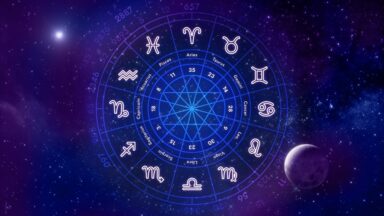
In astrology, the zodiac signs are grouped into four large families, each ruled by one of the elements. This division influences the way each sign perceives reality, relates to others, and manages vital energy. Knowing which element a sign belongs to can reveal behavioral patterns and deep energetic needs.
- Air signs (Gemini, Libra, Aquarius): Mental, communicative, and sociable. They easily express themselves, adapt, and connect ideas, but may become disconnected from emotions.
- Fire signs (Aries, Leo, Sagittarius): Characterized by initiative, enthusiasm, and vitality. They are natural leaders and passionate, though sometimes act without much thought.
- Water signs (Cancer, Scorpio, Pisces): Emotional, empathetic, and receptive. They have great intuition and emotional depth, but may become overly absorbing or sensitive.
- Earth signs (Taurus, Virgo, Capricorn): Practical, consistent, and organized. They seek security and tangible results, though they can become rigid or conservative.
Beyond the sun sign, each birth chart contains a unique mix of elements, which explains why people of the same sign can be very different from each other. By identifying which energies predominate or are lacking in a natal chart, more conscious decisions can be made to balance them. This perspective provides clarity on how to use the qualities of each element to support personal growth.