Bach Flower Therapy: A Guide To Start Using It

Bach flower therapy is a natural system of emotional harmonization created from floral essences. It is used to treat imbalances such as fear, sadness, anxiety, or lack of confidence, without side effects. In this article, we explore what Bach flowers are, how they work on the emotional level, and how to start integrating them into your daily life.
Table of Contents
- What Are Bach Flowers And How Do They Work?
- What Are Bach Flowers Used For?
- The Origin Of The Flower System: Who Was Edward Bach
- The 38 Bach Flowers: A System To Balance Emotions
- How To Start Using Bach Flowers Consciously
- What’s The Difference Between Bach Flowers And Other Flower Essences?
- Can Bach Flowers Be Combined With Other Therapies?
What Are Bach Flowers And How Do They Work?
Bach flowers are natural essences extracted from wildflowers that work on an energetic level to balance emotional states. This system was created in the 1930s by British physician and homeopath Edward Bach, who sought a more holistic and accessible healing method for everyone. His approach is based on the idea that many physical illnesses have an emotional origin, and that by treating the internal cause, the healing of the body is encouraged.
Each flower essence acts as a subtle catalyst that helps dissolve blocked or overwhelming emotions, such as fear, anger, guilt, impatience, or hopelessness. Instead of suppressing these emotions, the flowers allow them to transform into positive qualities such as calmness, confidence, courage, or compassion. That is why it is said they do not fight the symptoms, but rather strengthen inner balance.
Floral therapy does not act on a biochemical level like conventional medicines, but instead operates in the energetic or vibrational field of the individual. For this reason, it is compatible with other treatments and can be used by people of all ages. By harmonizing emotional frequency, Bach flowers help reconnect with the body’s natural well-being.
What Are Bach Flowers Used For?
Bach flowers are used to support emotional processes, promote inner balance, and facilitate the transformation of limiting attitudes. Their application is very broad and can be adapted to different moments in life, both in people and animals.
- Stress management: They help reduce the impact of everyday emotional stress. They are useful in times of overload, pressure, or mental exhaustion.
- Anxiety relief: They help calm internal restlessness and repetitive thoughts. They are especially effective when there is nervousness or excessive anticipation.
- Grief processes: They support sadness and pain during significant losses. They promote a more loving and contained emotional adaptation.
- Improving self-esteem: They foster self-confidence and recognition of one’s own value. They can be helpful for people experiencing insecurity or excessive self-criticism.
- Major life changes: They provide support during transitions such as moving, breakups, motherhood, or new life stages. They offer clarity, stability, and emotional adjustment.
- Support for domestic animals: They are used to address behaviors related to fear, aggression, or hyperactivity. They are also useful when facing changes in home or absence of caregivers.
- Rescued or traumatized animals: They help release painful emotional memories and restore trust. They are a safe tool to support their emotional recovery.
The Origin Of The Flower System: Who Was Edward Bach
Edward Bach was a British physician who, after training in conventional medicine, began to take an interest in a more holistic view of the human being. His experience in bacteriology and immunology led him to understand that the emotional state of patients played a central role in the progression of their illnesses. This approach prompted him to research new forms of treatment that not only alleviated physical symptoms but also restored internal balance.
Through observing nature and his patients, Bach developed a system based on the idea that behind every ailment there is an emotion in imbalance. In his search, he identified 38 wildflowers with specific energetic properties for each emotional state, from fear and sadness to discouragement or indecision. His method consisted of working on the deep emotional cause to promote lasting healing.
The Bach flower system was conceived as a simple, safe, and accessible tool for everyone. He believed that each person could actively participate in their own healing process, without relying solely on medical treatments. His legacy remains alive today, and his essences are used worldwide as a way to reconnect with emotional harmony and inner wisdom.
The 38 Bach Flowers: A System To Balance Emotions
The Bach flower system is made up of 38 essences, each one associated with a specific emotional state. These emotions can range from fear, insecurity, or guilt, to impatience, sadness, or disconnection. By acting on the person’s energetic vibration, the flowers do not suppress what is felt, but rather encourage a more harmonious shift in perception.
The essences are organized into seven emotional groups: fear, uncertainty, lack of interest in the present, loneliness, hypersensitivity, discouragement, and excessive concern for others. This classification makes them easier to use and allows for a more intuitive selection depending on what someone is going through. Some of the most well-known flowers are Rescue Remedy (a blend of five essences for emergencies), Mimulus (for specific fears), and Larch (for lack of confidence).
Although they can be taken individually, it is common to combine several essences depending on the personal situation. The right selection allows subtle aspects of personality to be addressed and supports internal transformation processes. That’s why getting to know each flower and its function is an important step in making the most of the potential of the flower system.
How To Start Using Bach Flowers Consciously
Beginning a process with Bach flowers involves honestly observing what we are feeling. It is important to identify the main emotion we want to work on, as well as others that may be associated with it. Based on this self-observation, between one and seven flowers are selected, which can be combined in a personalized bottle.
The essences are taken in drop form, usually diluted in water, several times a day. They can also be applied to the skin or added to baths. Although they have no side effects and do not cause dependence, their emotional impact can be profound if used with consistency and awareness.
In case of doubt, a flower therapist can be consulted to help choose the most appropriate essences. However, the system was designed so that anyone can use it safely. Listening to what we feel and choosing with intention is the first step for the flowers to act as allies on our path toward emotional balance.
What’s The Difference Between Bach Flowers And Other Flower Essences?
Bach flowers were the first flower essence system developed with a clear methodological and philosophical foundation. Its approach is focused on treating the emotional states that generate imbalances in the body and mind, and each of the 38 essences was researched by Edward Bach based on his clinical experience. The simplicity and accessibility of the system make it a daily-use tool for people of all ages.
Today, there are many other flower essence systems—such as those from California, Australia, or the Amazon—that broaden the emotional or spiritual spectrum they can address. Although all of them work on the energetic field, they differ in their preparation methods, classifications, and goals. Bach flowers, however, remain one of the most widely used and studied vibrational therapies in the world.
Can Bach Flowers Be Combined With Other Therapies?
Yes, Bach flowers can be complemented with other therapies without causing interference. Since they do not contain active chemical ingredients, they do not interact with medications or conventional medical treatments. They also do not negatively affect therapies such as homeopathy, acupuncture, or psychological approaches.
This versatility makes it possible to integrate the flowers into broader therapeutic processes, adding an emotional dimension that is often left out of traditional clinical approaches. In addition, they can be an excellent support in times of crisis, personal transitions, or self-development. The key is to use them with clear intention and as part of a holistic view of well-being.
About the Author

Healing Frequencies of the Ancient Solfeggio Scale
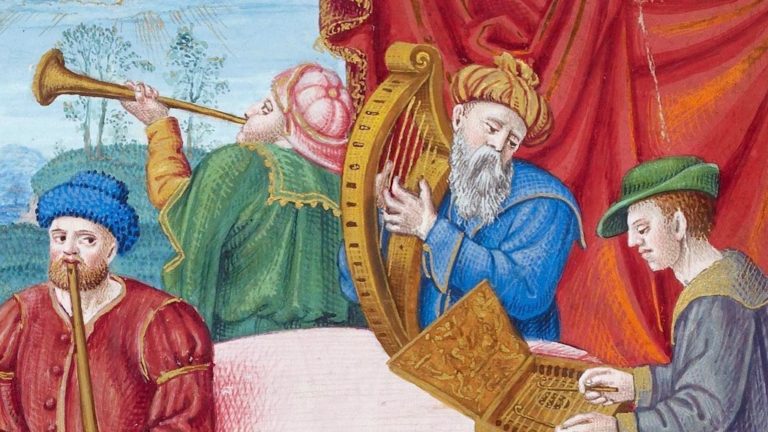
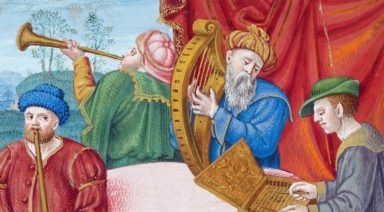
Early in the 11th century, an Italian Benedictine monk, Guido of Arezzo, was looking for ways to teach melodies and harmonies to monastic choirs. One of his methods was a mnemonic tool, called the “Guidonian Hand.” Notes were associated with places on the fingers and palm. Once mastered, a choirmaster could point to his hand to inform singers of the next note. This was a new way to teach music — but Brother Guido continued to innovate.
Finding a way to express a musical scale, he created staff notations to teach chants and hymns. Guido’s original notations were “UT RE MI FA SOL LA,” derived from the first syllable of each half-line of the ancient “Hymn to Saint John the Baptist,” descended from an even more ancient work by Horace, an 8th century BC Roman poet.
This scale of six notes (C, D, E, F, G, A), the ancestor of our “so re mi fa so la ti do,“ evolved into the modern diatonic scale after “UT” became “DO” in the 19th century, and “TI” (B) was added later. “Solfeggio” is based on the word “solfège,” the name for this notation method of teaching pitch and sight singing.