How to Connect with Your Ancestors Spiritually Through Ceremony

The desire to communicate with our ancestors is an innate part of the human experience. We intuitively sense their presence in our wisdom bodies, and it begs the question: can we communicate with them?
You don’t need special skills to begin. Just an open mind, a clear intention, and a willingness to listen. Through daily prayer, meditation, creation of art, music, food, and ceremony, the ancestor spirits can communicate, guide, protect, and heal the living. Ancestral communication has been a spiritual practice in every wisdom tradition throughout time. Your ability to connect with your ancestors is always available.
This kind of spiritual connection supports emotional healing, clarity, and insight in everyday life. Simple ways to begin connecting with your ancestors include:
- Creating a home altar
- Offering prayers or intentions
- Practicing meditation or visualization
- Journaling or dreamwork
- Making food or art in their honor
In particular, the days on and around October 31 to November 2 are a transformational portal on the wheel of life. It’s the mid-point between fall and winter, the death and dying season. Therefore, it’s a powerful time to communicate with one’s deceased family members.During this window, the veil between worlds is said to be thinner. It’s an ideal time to begin your practice, even for the first time.
Read on and receive intuitive guidance on how to create a beautiful ceremonial journey to communicate with your ancestors.
The Traditions of Ancestral Communication
Ancestral communication is an ancient and daily practice found in many cultures around the world, including Mayan, Celtic, Aborigine, Native American, Ancient Greece, Ancient Eurasia, African Tribal, Tibetan, and the Vedic/Yogic traditions.
Across cultures, these traditions often include:
- Prayer or chanting
- Offerings of food, flowers, or incense
- Honoring the dead on specific holy days
- Storytelling and oral histories
- Building shrines or ancestor altars
Through ancestral communication, you’re able to open your heart, experiencing a deeper love within yourself, due to the connection you have with your family tree. Through this practice, people have been able to reconcile deep wounds and karmic patterns that stem back from past life trauma and even issues between the deceased and living families.
“Ancestral work can transform the karmas of past generations, as well as work into the current and future generations for healing.”
This is the foundation of ancestral healing: releasing inherited pain while reclaiming guidance, wisdom, and support.
Connecting Ancestors to Halloween and the Day of the Dead
Halloween and the Day of the Dead are sacred windows in time. They offer a unique opportunity to connect with your ancestors, honor the dead, and reflect on the impermanence of life. Whether you know these traditions as Halloween, Samhain, All Saints Day, or Día de los Muertos, this season marks a turning point in the spiritual year, a time when the veil between the living and the spirit world is considered thinnest.
These days are more than cultural holidays, they are spiritual invitations. They ask you to slow down, listen, and remember. This is when ancestor work becomes easier, more natural. The energy of remembrance is already in the air.
Halloween, or All Hallows’ Eve, literally means “Holy Night” or “All Saint’s Night.” Its roots trace back to ancient European traditions that honored the dead with light, prayer, and seasonal ritual. Over time, the focus shifted toward costumes and candy, but the essence remains: a recognition that something sacred is moving through the darkness.
Día de los Muertos, rooted in Indigenous Mexican tradition and blended with Catholic influence, continues to carry that essence fully. During this celebration, families build elaborate altars, cook traditional foods, decorate with marigolds, and welcome the spirits of their loved ones back for a brief visit. It’s a joyful, colorful, deeply communal ritual.
Throughout villages and cities, people gather to remember, not in silence, but in celebration. Candles burn late into the night. Music fills the streets. Portraits of the deceased are surrounded by flowers, bread, tequila, chocolate, and handwritten messages. It is a shared act of love, extended across time.
By contrast, modern Halloween often forgets this sacred thread. But the jack-o-lanterns, the candlelight, the masks, they all echo an older story. If you choose to, you can reclaim the spiritual intention. Light a candle. Speak a name aloud. Cook a meal they loved. You don’t need a crowd or a festival. Just your attention and sincerity.
A few quiet moments, held with purpose, can open the door. Even something as simple as sitting beside a lit candle and offering your thoughts or gratitude becomes a form of ancestral veneration. That’s all it takes to create a spiritual connection.
Who is an Ancestor?
The Lakota say Mitakuye Oyasin, “All are my relations”- the tree, water, sky, earth, animals, brothers, sisters, and those that have taken their spirit walk. There is a sacred hoop, a medicine wheel, and a mandala of life. All is connected. All is life, and all have the essence of love. All are children of the Great Mother and Father – in spirit and physical form.
“An ancestor is one who took a physical body and experienced the loves, sorrows, joys, and pains of being human. They are your parents, aunts, uncles, grandparents, great grandparents. Anyone who has taken their spirit walk. Anyone who is in your soul tribe.”
Some ancestors are known. Others are unknown, but still deeply felt. You may not have photos or names for all of them but you may feel their presence in dreams, intuition, or moments of sudden knowing.
There are different kinds of ancestors:
- Blood Ancestors: Your genetic lineage. Family members whose DNA runs through yours.
- Territorial Ancestors: Spirits of the land you live or work on. These may be Indigenous stewards or historical inhabitants connected to that place.
- Spiritual Ancestors: Energies or guides that your soul is drawn to across lifetimes. These might include Buddha, Quan Yin, Archangel Michael, or Star Beings; any spirit with whom you share a spiritual bond.
- Chosen Ancestors: Mentors, teachers, or loved ones who shaped your life, even if you share no blood connection.
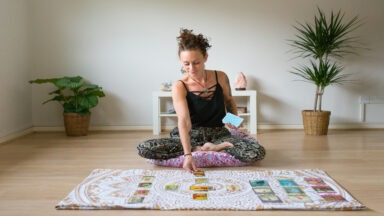
You may experience ancestral connection in different ways. One might show up in your meditation. Another through dreams. A third during tarot or visualization. Each relationship is unique.
Ancestors are not perfect beings. Many carry unresolved wounds, just like the living. Some may need healing themselves. Others come as protectors, teachers, or companions. Your work together is not just about receiving blessings. It can also include offering them support, forgiveness, and compassion across generations.
You don’t need to believe in reincarnation or have access to your family tree to begin. The desire to connect is enough. Your spirit knows where it comes from, even if your mind doesn’t.
For our ceremony on how to communicate with your ancestors, we are going to focus on your soul tribe ancestors. It is perfectly all right to invite your other ancestral lineages to be present and assist as well
Why Practice Ceremony to Communicate with Your Ancestors Spiritually?
There are many ways to communicate with your ancestors, and eventually, it may become a daily practice and dialogue for you. Simply calling them into your heart and having a quiet moment can be perfect. Whispering their name, lighting a candle, or silently thinking of them during meditation are all simple yet powerful gestures. However, a ceremony can help to amplify the communication.
Spirit is energy and uses high-vibration frequencies to access the earthly realm. A ceremony is a high-vibration event. The difference between offering a ceremony and personal prayer is like the difference between playing guitar amplified or playing guitar acoustically. They are both beautiful and appropriate for different needs, but one has a stronger resonance and reach. Just as it is easier for us to hear the amplified guitar, it is easier for spirits to communicate with us using the higher vibration of ceremony.
A well-prepared ceremony creates a dedicated container, something your ancestors can step into. It helps ground your focus and clears a path through distractions. When your intention is strong and your attention is steady, spirit can come through with more clarity.
People have held ceremonies many times—personally, in groups, at our yoga studio, on retreats, and with people of varied faiths and beliefs. We have found that most people have an innate remembrance and connection to ceremony even in their first experience. There is something timeless about it. Ceremony speaks to a part of us that exists beyond culture and language. Even if you’ve never done it before, it can feel instantly familiar.
Over time, these practices also support your emotional and spiritual well-being. Ceremony creates space to process grief, invite peace, and feel seen by those who came before you. It strengthens your spiritual connection to your lineage and gives you a way to show up with love—for them and for yourself.
What Ceremony Means in the Practice of Connecting with Ancestors
There are many ancient wisdom traditions on our planet that share the gift of ceremony, and there are many ways to do ceremony individually or in groups. While the specifics of the ceremony may vary, there are three essential pieces that apply anywhere, anytime:
- Intention: In the yoga tradition, this is called Sankalpa, which translates to “vow of the heart.” Declare your purpose. It can be a positive affirmation, asking for an answer to a question, or healing. This is the energetic foundation of your ceremony. Without clear intention, energy scatters. With it, the spirit world knows exactly how to respond.
- Attention: Be Present. Or, as Ram Dass says, “Be Here Now.” Get grounded in your heart and clear your mind. Energy flows where your attention goes. Turn off distractions. Light your candle slowly. Let your mind settle. Give your ancestors your full presence—they will meet you in that stillness.
- Purposeful: Make sure what you are doing is meaningful to you. When you are in a group ceremony, there may be aspects that don’t connect to you at that moment. That’s okay. Keep your attention on your inner intention and what you are offering up from your heart. When you are creating your own personal ceremony, create a ceremony that inspires you and has meaning for you. If a practice feels unfamiliar but resonates with your spirit, trust that. If something doesn’t feel right, you can leave it out. You’re not performing a ritual—you’re creating a relationship.
Ceremony isn’t about perfection. It’s about presence. It’s about showing up with sincerity and listening with your whole being. Even if it’s simple, even if it’s brief, what matters most is that you mean it.
Over time, your ceremonies may evolve. They may become more elaborate or more subtle. You may include elements like sound, movement, water, or offerings—or keep it quiet and still. All forms are valid as long as they are rooted in truth. The spiritual guides you call upon will respond to that energy.
How to Create a Spiritual Ceremony to Connect With Your Ancestors
Once you’ve completed the essential three, now you are ready to create your Ancestral Ceremony and open up the communication lines. Here is a tutorial and list of elements that may be part of your ancestral or any ceremony.
These elements are not rigid rules. They are flexible tools. Adapt them to your environment, your culture, and your intuition. What matters most is that you feel connected to what you’re doing.
Create an Ancestor Altar
Find a sacred space that is conducive to your ceremony: being outside in nature is highly recommended or a quiet place inside. Create an altar for your ancestors. This may include:
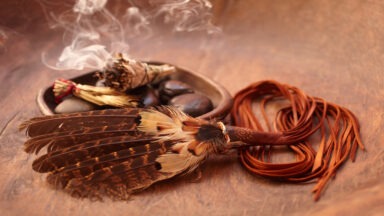
- Lighting incense, copal, sage, or palo santo to clear the energy and open the portal
- Elements of nature, such as fire (candle), flowers, a bowl of water, crystals, shells, feathers, tobacco, corn or grains
- Ancestral Memorabilia, such as photos, personal heirlooms like a ring, a pocket knife, a book, or favorite foods of the ancestors
- Spiritual relics like your favorite deity, prayer flags, or anything that represents the Spirit to you
- Rattles, drums, bells, gongs, or singing bowls to open up the portal through sound
Keep the altar active. Refresh offerings, dust regularly, and return to it often. Over time, it becomes a spiritual anchor, a special place where your ancestors know they’re welcome.
Asking Permission and Giving Invitation
Ask the Spirit for permission, guidance, and protection as you begin your ceremony. Call upon your Spirit Guides and Angels for support, and invite the specific ancestors you wish to include by speaking their names aloud.
Speak to them clearly and from the heart. You might say, “I welcome those ancestors of light who walk with truth and love. Please be with me now.” These words create spiritual boundaries while keeping your heart open.
Call in the Directions
Ask the spirits of the Four Directions, Mother Earth and Father Sky, to be present at the ceremony.
If you’re unsure how to do this, keep it simple. Face each direction, pause, and say something like: “Spirits of the East, I welcome your presence.” Trust that your sincerity matters more than any script.
Provide Ancestral Offerings
Offer a handwritten letter to the ancestor(s) that can be burned and carried to the Spirit through smoke. Or make a statement to the deceased out loud. Follow your words with an offering of the items you chose for the altar.
Offerings are not just gifts. They’re part of a dialogue. When you give with intention, you’re building trust and mutual recognition between you and your ancestors.
Focus and Meditate
Sit quietly and be in the energy of the Spirit and your ancestors. Focus on your original intention. Listen with full attention in your heart, mind, and body for any messages. You may receive an instant knowing, an image, a feeling, inner light, love, or even words. Or, it may just be a peaceful repose. The Spirit answers in divine time. More may be revealed in dreams, nature, and future interactions.
This is a good time to enter meditation. Focus on your breath and allow your body to relax. Use visualization: imagine your ancestors beside you, behind you, or placing a hand on your shoulder. You may sense warmth, a shift in energy, or simply a calming presence. Let whatever arises come naturally.
Don’t try to force a message. Just be available. If emotions surface, allow them. This is part of the ancestral healing process. You’re not just contacting them, you’re making space for what’s ready to move.
Include Mantra and Music
You can choose a song, a mantra, or a chant that feels right to you. It can be accompanied by your voice or instruments of drums and rattles to bring the primordial heartbeat of Mother Earth.
Don’t worry if you feel awkward at first. Sound opens energy whether you sing confidently or softly hum. What matters is intention, not performance. Let the rhythm guide your heart and your breath.
Try a Guided Journey
This step is optional and often performed by a shaman or someone trained in guided meditations.
However, with practice, you can experience guided journeys as well. Record your own voice or find an audio journey online. Some journeys guide you through meeting a specific ancestor, spiritual guide, or sacred space. This is especially helpful if you’re new to visualization or want support in entering a trance-like state.
Close the Ancestral Ceremony
Close the Four Directions, Mother Earth and Father Sky. Thank your Spirit Guides and Angels for their assistance, and send out a final blessing to your ancestors.
If you ever forget to close your ceremony, you can do it later with a simple prayer or offering. Spirit understands timing, but closure is important to maintain energetic balance.
Celebration and Reflection
Share some food, water, music, and discussion with loved ones, and record your feelings and experiences in your journal.
This moment of sharing grounds the ceremony and lets the experience settle into your body. If you’re alone, simply eat something with presence and gratitude. If you’re in a group, let people share their reflections, stories, or sensations. This is part of the integration.
Be open to whatever comes. The Spirit can come as a whisper or as a cosmic smack upside the head. And sometimes it comes immediately, and sometimes it comes when you least expect it. What matters most is your intention, attention, and purpose. The seeds you have planted will grow if tended with an earnest heart. Trust the process. May the ancestors be with you.
Remember, the ceremony doesn’t end when you blow out the candle. Every time you remember your ancestors, speak their name, or feel their presence, you’re keeping the connection alive.
Building a Lasting Spiritual Connection with Your Ancestors
Your relationship with your ancestors doesn’t begin and end with a single ceremony. This is a living connection, one that grows stronger the more you nurture it. You don’t need to wait for a holy day or perfect moment to reach out. Light a candle. Speak a name. Sit in silence. Make a meal in someone’s honor. Every small act is part of your practice.
Over time, these moments create a spiritual rhythm. You may notice their presence more clearly in dreams. You may feel comfort or receive guidance when you least expect it. You may find your well-being subtly improving as ancestral healing unfolds across your lineage. There’s no rush and no right way. This work is intuitive, personal, and patient.
The more consistent you are, the easier it becomes to trust what you feel. Pay attention to the soft moments, gentle emotion, and memories that return with new meaning. These are all part of the dialogue. You are the living bridge between generations past and generations yet to come. Every time you show up with intention, you’re healing more than yourself; you’re healing your ancestral family lineage.
So keep going. Keep listening. Keep inviting. Your ancestors are with you.
How Do You Know What Your Spirit Animal Is?

Power animals, also known as totem animals or spirit animals, are spiritual guides that accompany people along their journey of self-discovery. Each specific animal represents symbolic qualities that help to awaken intuition, protect personal energy, and help us navigate our life path. In this article, we explore spirit animal symbolism, their spiritual meaning, and how to find your spirit animal.
Table of Contents
- What Is a Spirit Animal or Totem Animal?
- Shamanism and Spirit Animals
- The Spiritual Meaning Behind Each Spirit Animal
- How to Find Your Spirit Animal
- How to Work with Your Spirit Animal
What Is a Spirit Animal or Totem Animal?
A spirit animal is a Spiritual Guide that acts as a protective figure and messenger. It reflects aspects of your personality, life experiences, or inner voice. It represents qualities that you are meant to recognize, embody, or learn from. Some people discover it naturally, through dreams, meaningful experiences, or deep sensations when connecting with a particular animal. It can also come through practices such as meditation or guided visualization. In Native American culture, a spirit animal is not just a symbolic archetype, but a meaningful presence that offers protection, insight, and a deeper connection to the natural world.
This concept is often confused with a totem animal. While both play important roles in spiritual practices, there is a key difference between a totem animal vs spirit animal: totem animals typically represent a group identity, ancestry, or tribal lineage, while spirit animals are more personal and reflect your individual soul journey.
Whether you call it a power animal, totem, or spiritual guide, its presence invites you to explore deeper levels of self-awareness, healing, and growth.
Shamanism and Spirit Animal Guides
In shamanic traditions, especially within Indigenous and Native American cultures, power animals occupy a central place as allies of the soul in the spiritual journey. The shaman recognizes that everything in nature has a spirit, and animals represent specific energies that can be invoked, whether in rituals, healing, or other processes of personal transformation. These totemic animals accompany the shaman from the time of initiation, and each brings distinct abilities to work with the spiritual planes.
Shamans often meet their spirit animal guide through visions, dreams, or deep spiritual journeys. These guides may shift over time, changing with the needs of the individual’s life path. Some animals guide for a specific period, while others accompany throughout life as guardians of the spirit.
The practice of shamanism with spirit animals not only strengthens the connection with the invisible world but also allows the development of intuition, perception, and inner harmony. Today, many people who do not belong to traditional cultures also work with spirit animals as part of their spiritual path, seeking guidance, protection, and a deep understanding of their inner energy.
The Spiritual Meaning Behind Each Spirit Animal
Each power animal has a unique spiritual meaning that conveys a specific message for one’s personal path. Knowing the symbolism of the different animals and their symbolism helps to better understand the qualities that can be activated or the learnings you are going through. Below, we present the spiritual message represented by each of these power animals:
- Eagle: Clarity and elevated vision. Invites to look at challenges from a broader perspective and trust in the wisdom of the spirit.
- Wolf: Instinct and teamwork. Teaches to balance independence with connection to the group and following the inner voice.
- Owl: Intuition and occult perception. It symbolizes the ability to see beyond the obvious and detect deep truths.
- Jaguar: Inner power and transformation. It represents the courage to go through emotional darkness and come out stronger.
- Butterfly: Change and rebirth. It announces processes of personal transformation and spiritual evolution.
- Deer: Gentleness and sensitivity. It invites one to cultivate empathy and act from the heart, without losing firmness.
- Tortoise: Patience and ancient wisdom. Teaches to move forward calmly and to trust the natural rhythms of life.
- Fox: Cunning and adaptability. It represents intuitive intelligence and the ability to move with strategy and speed.
- Horse: Freedom and vital energy. Connects with the impulse of the soul to move forward with strength and determination.
- Dolphin: Joy and harmonious communication. Conveys the power of emotional connection and play as a way of healing.
- Bear: Strength and protection. Teaches to set healthy boundaries and to enter into silence to regenerate.
- Snake: Renewal and deep healing. Symbolizes the ability to let go of the old and activate vital energy.
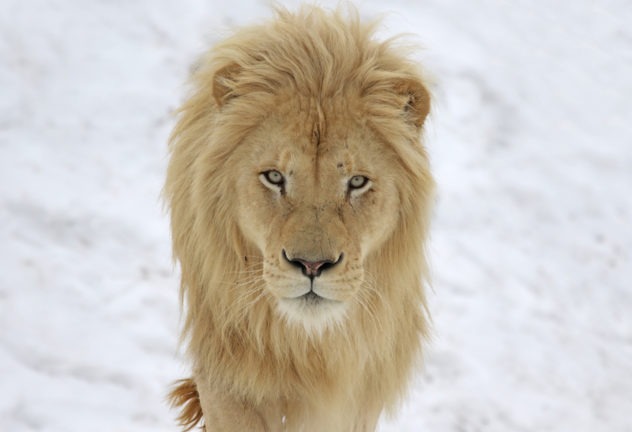
- Lion: Leadership and confidence. Inspires courageous decision-making and recognition of personal power.
- Hummingbird: Joy and lightness of soul. Remember the importance of living the present with gratitude and beauty.
- Elephant: Memory and spiritual wisdom. Represents stability, connection with ancestors, and calm strength.
Exploring these archetypes helps reveal which spirit animal aligns with your inner journey.
How to Find Your Spirit Animal
Many people wonder: how to find your spirit animal? It is not a matter of choosing an animal for the sake of it, but of recognizing which one manifests as a guide on your spiritual path. This is a process of reflection, observation, and trust in your inner voice. Your spirit animal may reveal itself through:
- Repeated encounters with a particular animal in waking life or media
- Vivid dreams featuring a specific animal
- Strong emotional or energetic reactions to a certain creature
- Meditation or guided visualizations
It’s not about choosing your favorite animal. Instead, it’s about noticing which animal chooses you—and what message it might bring.
Signs and Dreams as Messages from Animal Spirit Guides
One of the most common ways to discover what your spirit animal is through signs and dreams. Pay attention to synchronicities—recurring animals in real life, conversations, or even books and images. These can point toward a deeper message from your spirit animal guide.
Dreams are also a powerful channel for receiving such spiritual messages. If a particular animal appears clearly on the dream plane, paying attention to its behavior and the symbolic message it conveys, you may be receiving guidance. These dreams are not casual: they often reveal which energy wants to accompany you on your path of growth.
Meditation and Guided Visualization to Connect with Your Personal Spirit Animal
Meditation is an effective tool to open your perception and connect with your spirit animal. By entering a state of stillness, it becomes easier to listen to subtle signals and receive images, sensations, or words associated with the animal totem that accompanies you.
To do this, you can begin your practice with a deep breath and a clear intention: to ask for your animal guide to reveal itself . As you go deeper into meditation, simply allow forms, faces or energies to emerge without forcing any images. The animal that appears is usually the one your soul needs to recognize at that moment.
Here are some steps to follow to connect:
- Sit quietly and breathe deeply.
- Set the intention to meet your spirit animal.
- Imagine entering a natural space—forest, mountain, ocean—and let a specific animal appear.
- Observe its behavior, energy, and any messages it offers.
- Journal about the experience to reflect on its meaning.
This simple practice can strengthen your relationship with your spiritual ally.
How to Work with Your Spirit Animal
Once you have identified your spirit animal, it is possible to establish a deeper and more conscious link with its energy. Working with your totem animal allows you to integrate its qualities into your daily life, receive guidance in times of change, and strengthen your spiritual connection. These practices may be simple, but they have a powerful effect on the inner path.
- Daily invocation: You can connect with your power animal at the beginning of the day, asking it for guidance and protection. Naming it out loud or visualizing it helps you keep its energy present.
- Focused meditation: Meditating on their qualities strengthens the spiritual bond. You can imagine their presence or repeat affirmations related to their message.
- Symbolic rituals: Incorporating objects or symbols of the animal into your altar or sacred space enhances its energy. This can include images, feathers, figures, or natural elements that represent it.
- Inner dialogue: Write messages as if your animal were talking to you. This intuitive technique allows you to receive guidance when you need clarity or emotional support.
- Conscious observation: Reflect on how your animal’s qualities manifest in your daily life. This practice strengthens the learning and spiritual integration of your energy.
Working with a spirit animal can help guide you through difficult moments, align you with your purpose, and connect you to the greater wisdom of the natural world.
Your Journey With Spirit Animals Begins Here
Whether you’re new to the concept or deepening your existing practice, connecting with a spirit animal invites you into a rich journey of self-discovery and spiritual meaning. These guides—rooted in both Native American tradition and modern spiritual practice—serve as reminders of the strength, insight, and beauty available to us when we listen to nature and our own inner wisdom.