Sacred Geometry Used to Predict Cryptocurrency Trends

Investors in cryptocurrency have grown by more than 300 percent in the last year alone. With the world coming out of one of the most tumultuous times in modern history, people are flocking to digital assets, but why? Could investors have found a key to unlocking the secrets of the crypto market by using sacred geometry?
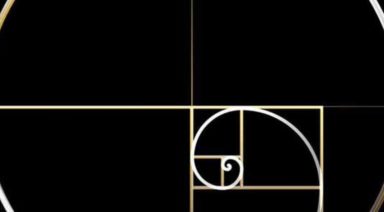
Cryptocurrency, a one-time novelty used by tech-savvy individuals as a digital storehouse of wealth is now being adopted by some of the largest institutions around the world; cryptocurrency has gone mainstream. But with growing demand comes the need to better understand these new markets. Some investors have found the use of sacred geometry as a way to track the trends of digital currency. Known as Fibonacci retracements, this sacred geometric tool has been used to predict potential support and resistance levels for price actions in financial markets.
But what is sacred geometry, and in particular the Fibonacci sequence?
Watch more:
About the Author

What Does 444 Mean? An Invitation to Organize Your Inner World

If you’ve started seeing the number 444 constantly, it’s not something you should ignore. This numerical sequence appears as a sign to pause and observe how you are building your reality. It’s a key moment to strengthen your inner foundation and organize what sustains you. In this article, we explore what 444 means, why it keeps showing up, and how you can interpret it as a message of protection, order, and inner stability.
Table of Contents
- What Does It Mean to See 444 Repeatedly?
- The Deeper Spiritual Meaning of 444
- 444 as an Angel Number: Connection With Your Spiritual Guides
- 444 in Love: Balance and Soul Connection
- What to Do When 444 Appears in Your Life
- Other Numbers That Often Accompany 444
What Does It Mean to See 444 Repeatedly?
Seeing 444 repeatedly is not a coincidence. This number comes as a reminder that you have a spiritual support structure sustaining you through your process. Even if you don’t yet have all the answers, its message is clear: you are moving forward on solid ground and can trust the path you’re on.
Additionally, encountering this sequence in different contexts may invite you to reevaluate your priorities. 444 urges you to reaffirm your decisions, organize your inner world, and act with greater coherence. Its constant presence is a reminder that every small step counts, and your stability depends on the order you cultivate within.
The Deeper Spiritual Meaning of 444
444 carries a spiritual meaning associated with protection, structure, and trust. This number appears when it’s time to put your thoughts, emotions, and actions in order. It invites you to reconnect with what is essential and to build from a more solid place.
On a deeper level, its presence suggests that you are entering a phase where you need clarity, focus, and inner discipline. It’s a sign that you’re surrounded by an energy that guides you to make firm decisions, set clear boundaries, and move forward with more confidence.
The Numerology episode of The Other Side explores how numbers can help you recognize the invisible structure supporting your life. Rather than mystical symbols, they are presented as tools for clarity and self-awareness. From this angle, 444 points to the importance of strengthening your foundations and acting from inner stability.
444 as an Angel Number: Connection With Your Spiritual Guides
444 is considered an angel number because it appears as a reminder that you are not alone. Its frequent presence indicates that you have the support of your spiritual guides, who are accompanying you in the process of organizing your life and building on solid foundations. This sequence shows up during moments when you need clarity, support, and a more defined direction.
When 444 appears, it is a sign to open your perception to the subtle guidance that is already surrounding you. This presence may manifest through dreams, signs, or intuitions that confirm you are not walking this path without help. Recognizing this spiritual companionship can bring you peace and help you make decisions with greater confidence.
Moreover, 444 represents the balance between the material and the spiritual. Its message reminds you that what you think, feel, and do should be aligned with a deeper purpose. Your guides are collaborating with you so that this purpose can take tangible form, helping you bring order to your life from the inside out.
444 in Love: Balance and Soul Connection
When 444 appears in matters of love, its message is to strengthen the structure of your relationships. This number represents harmony, trust, and commitment, and reminds you that authentic relationships are built on solid foundations—not on urgency or emotional confusion.
It may also indicate that you are entering a stage of deeper connection with someone who resonates with your path. Whether you’re getting to know someone new or deepening an existing relationship, 444 invites you to value emotional stability and energetic balance within the bond.
At the same time, this number encourages you to pause and observe how you are holding your emotional space in the relationship. Are you respecting your own boundaries? Are you giving from a place of balance? 444 urges you to bring order to your emotional world so that love can flourish from a conscious and genuine place.
What to Do When 444 Appears in Your Life
When 444 shows up repeatedly, the first thing you can do is pause and observe how you feel in that moment. Ask yourself whether you’re listening to your intuition or if there’s something inside you that needs to be realigned. This sequence is an invitation to take a moment of stillness to reconnect with your purpose and your true priorities.
Keeping a record of the times when 444 appears can also be very helpful. Writing down in a notebook or journal when this sign shows up, the context, and what emotions you feel will help you identify patterns and better understand the message it brings to you. Over time, you’ll discover that this number acts like a mirror reflecting the inner changes you are experiencing.
It’s also important to stay open to the guidance that 444 brings. Practicing meditation or simply dedicating a moment to inner silence can help you receive clarity and confidence in your next steps. Remember that 444 doesn’t arrive to tell you what to do, but to remind you that you are being supported and that every decision matters on your path.
Other Numbers That Often Accompany 444
When 444 appears frequently, other sequences may manifest to expand its message of order and protection. Each number adds a different nuance, helping you better understand the phase of stability and inner construction you are experiencing.
- 111: Intention Activation: Signals that you are beginning something that requires mental focus and clarity. It invites you to plant thoughts aligned with what you want to sustain.
- 222: Trust in Balance: Reinforces the need to remain calm while everything settles into place. It reminds you that inner harmony is the foundation of any solid structure.
- 333: Guided Expansion: Indicates that your spiritual guides are near, encouraging your growth. It calls you to express your truth with authenticity.
- 555: Transformational Movement: Announces changes that may test your stability. It encourages you to adapt without losing your center.
- 666: Conscious Readjustment: Suggests it is time to reassess priorities and return to inner balance. It helps you correct course before moving forward.
- 777: Spiritual Confirmation: Validates that you are aligned with your purpose. It is a sign that your inner work is producing results.
- 888: Consolidation and Abundance: Indicates that what you have built is beginning to expand. The stability you cultivated now generates prosperity.
- 999: Structured Closure: Marks the completion of an important stage. It invites you to release with order and maturity in order to begin something new.
- 1234: Organized Progress: Represents steady, step-by-step advancement. Each action strengthens your foundation.
- 11:11: Alignment Portal: Intensifies your spiritual connection and invites you to act from the soul. It is a sign of heightened awareness.
- 22:22: Purposeful Construction: Amplifies the energy of order and coherence. It reminds you that what you build from balance has lasting impact.