Soul Retrieval: The Shamanic Nature Of The Soul
You don’t have a soul. You are a soul. You have a body.
::~ C.S. Lewis
The shaman’s toolbox is a personal and intimate gathering of powers. Some shamans learned through direct experience, others gleaned through master teachers, and still, others are simply gifted in the thrall of journeying to the depths of the invisible realms.
A few tools are so foundational, nearly every shaman utilizes them. Soul retrieval is one such tool. Not only is it universally effective, but it’s also the pervasive root cause of illness overlooked by many in the medical field.
The shaman performs soul retrievals, which are the result of soul loss. The basic idea is this: as traumas occur, little pieces of us take flight or run away. This is called soul loss. A soul retrieval gathers the soul’s “parts” and ushers them home.
Let’s break this down a few ways so we can understand why this spiritual illness is so damaging.
Navigating Soul Loss
The soul is our most basic life force. As soon as the soul leaves, the body dies. Anyone who has been with a loved one at the moment of passing can tell you once the soul departs, the person looks different, empty even.
Our soul is multi-faceted and complicated, to say the least. Not only does it venture through lifetimes, but it may even leave our body occasionally and visit other places. Shamanic journeying, astral projection, and remote viewing are examples of the soul taking an escapade, but not fully departing the physical body.
The soul can explore realms and come back. In a soul loss, however, parts of it venture off and stay gone until we come lookin’.
Soul loss occurs through a number of ways and for a number of reasons — from physical or sexual abuse to traumatic situations, or even just a bad fight. No one knows with certainty why a soul aspect decides to depart, but it’s a common occurrence and one rarely addressed in our modern society.
Soul loss cannot be prevented. It’s simply part of the package in this human condition, and one that can be normalized so it doesn’t sound as startling as the name suggests.
Shamans look for hints that soul loss has occurred. When they find clues, soul retrieval is a next step to restoration for the client.
Here are some red flags that may suggest soul retrieval needs to take place
- You may notice a part of you feels dead or lost.
- You were in an accident years ago and haven’t been the same since.
- There’s a long-gone relationship that you’ve never been able to shake.
Common symptoms of a soul loss include
- Depression
- Feeling incomplete
- Feeling stuck and not knowing how to move through it, or
- Feeling not like yourself, disconnected from those you love.
Not all traumas cause soul loss and, in some instances, a piece may just decide it’s all too much and hightail it outta there. I had one piece do exactly that: she wasn’t happy with the choices I was making as a young adult — I enjoyed my drinking phase, while she found it destructive!
Though we cannot prevent soul loss, we can become energetically sensitive enough to recognize when something is off. With this skill, we can do our own psychic maintenance to ensure total wellbeing.
Activating Soul Retrieval
Soul retrieval is a favored tool in shamanic healing. It can be the much-needed blessing in any number of situations to bring the soul back to wholeness.
The healing session is much like a massage — lying down in a comfortable space — while the shaman works. Your shaman uses an ancient technique of “journeying” into the spirit realm to find the pieces of your soul that are ready to come back.
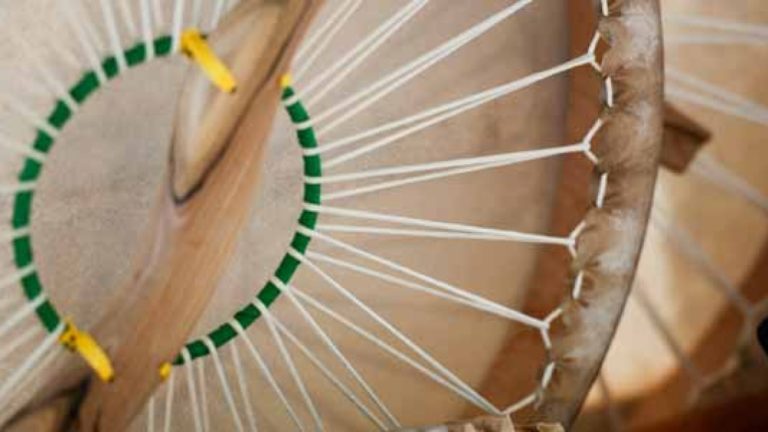
Journeying is the most trusted tool of the shaman (though to you, it may just look like someone with their eyes closed). Drums often help set the tone and aid in the voyage. Since you’re lying on the table, chances are it sounds pretty soothing!
The retrieval itself is incredibly interesting. In some cases, the parts are eager to come back, excited to once again experience the physical world. Other times, the parts are still repeating the trauma that sent them away in the first place, and they need sweet-talking…or even negotiation.
In one of my personal soul retrievals, I had a soul aspect who agreed to come back only if I soaked in a bath weekly. To her, this was an important need that wasn’t being met. To keep her around and bring completion to the healing, I needed to nurture her — and myself — more. Pretty cool, right? A perfect example of requiring negotiation before she agreed to return.
When the retrieval is complete, the shaman may blow on your head, heart, and/or stomach to help the pieces land back in their home.
Welcome Home
The pieces who do come back act as blessings, helping us feel more complete, content, and purposeful. Our heart space opens wide to receive them, and whatever ailed us may be lifted. Heavy emotions, once centerstage, are lessened in intensity. All of this allows for better flow, appreciation, and a return to passion and vitality.
Once the retrieval is complete, your job is to celebrate their return and make them feel welcome! Talk to them, follow through with the requests they made, and do your best to avoid another departure. It may also help to write and share their story so you don’t repeat it!
In this traditional world of invisible medicine, it’s empowering to know that such tools are available. In all cases, find someone you trust or get referrals. Since this is energy work, we all navigate it differently and require our own unique subtleties.
About the Author

How Do You Become a Shaman? A Beginner Practitioner’s Guide

Shamanism is one of the world’s oldest spiritual practices, with origins dating back thousands of years to Siberia, Central Asia, and Indigenous cultures across the Americas, Africa, and Australia. Its roots run deep with the natural and spirit worlds, shamanism has long served as a means of healing, guidance, and communion with unseen realms.
Today, many seekers feel called to explore this path not as a profession but as a profound journey of spiritual awakening and service. Whether inspired by ancient traditions or drawn by a modern sense of spiritual purpose, the path to becoming a shaman begins with an inner calling and a willingness to walk between worlds.
What is a Shaman?
A shaman is a spiritual practitioner and healer who bridges the physical and spiritual worlds to help others. In many Indigenous cultures, shamans are known for their ability to enter altered states of consciousness—often through trance, meditation, rhythmic drumming, or plant medicine—to communicate with spirits, receive guidance, and perform healing practices. They tap into the seen and unseen realms, using ancient techniques to restore harmony and well-being within individuals and communities.
Though shamanism varies across different cultures, the core principles remain consistent: shamans journey to the spirit world, retrieve lost knowledge or parts of the soul, and return with wisdom that promotes healing, clarity, and spiritual growth.
What Does a Shaman Do?
Shamans serve their communities in many vital roles, drawing upon their connection with the spirit world to offer healing, insight, and guidance. Their duties often include:
- Healing the Sick: Shamans believe illness may stem from spiritual imbalances, soul loss, or negative energies. Through rituals, energy healing, and soul retrieval, they work to restore health and wholeness.
- Spiritual Guidance: Shamans offer counsel, helping individuals navigate emotional challenges, life transitions, or spiritual crises by receiving messages from spirits or power animals.
- Conducting Rituals and Ceremonies: These may include blessings, purification, protection, or rites of passage to support individuals and communities.
- Divination: Using tools such as stones, bones, or direct spirit communication, shamans interpret signs to provide insight into present or future concerns.
- Psychopomp Work: Some shamans guide the souls of the deceased to the afterlife, ensuring a peaceful transition between worlds.
- Maintaining Harmony with Nature: Shamans often act as stewards of the Earth, communicating with natural forces and emphasizing balance with the natural world.
Whether in Indigenous cultures or modern spiritual communities, the role of the shaman is one of deep responsibility—offering healing and preserving sacred knowledge.
Hearing the Call: Can Anyone Be a Shaman?
Traditionally, becoming a shaman is not considered a personal choice but a spiritual calling. Many shamanic cultures believe individuals are chosen by the spirits, often through a “shaman illness,” near-death experience, or vivid dreams that signify an awakening to their path. This transformative event initiates the potential shaman into a journey of self-discovery and service.
While some modern seekers pursue shamanism as a spiritual practice or personal development path, the traditional view holds that ignoring the call can lead to emotional or physical turmoil. Acceptance of this calling often marks the beginning of shamanic training.
The Journey to Becoming a Shaman
The shamanic path to becoming a practitioner is both inward and outward—marked by spiritual awakening, mentorship, and disciplined practice. While each path is unique, there are common steps that many follow to cultivate the skills and wisdom needed for this sacred role.
Seek a Teacher or Mentor
True shamanic training often begins with mentorship. In Indigenous cultures, aspiring shamans undergo long apprenticeships under experienced elders. Today, some may train in person or through a reputable program, such as those offered by The Foundation for Shamanic Studies, founded by anthropologist Michael Harner. These training programs teach core shamanism and fundamental techniques like shamanic journeying, soul retrieval, and divination.
Mentorship is essential not just for safety in navigating the unseen world, but for transmitting sacred knowledge with integrity. A teacher with real experience can guide the student through deep personal transformation and spiritual initiation.
Training and Initiation
Shamanic training may involve years of disciplined practice, including:
- Learning to connect with spirit guides and power animals
- Practicing soul retrieval and energy healing
- Participating in sacred ceremonies and rituals
- Engaging in deep personal healing and shadow work
- Studying the natural world and spirit realms
This path may also include working with plant medicine such as ayahuasca, under proper guidance, to access spirit realms and accelerate healing. However, this is not required by all traditions.
Tools and Techniques of a Shaman
Modern and traditional shamans alike use tools that assist in entering trance states and performing healing work:
- Drums and Rattles: Induce altered states and guide shamanic journeys
- Feathers: Used in energy clearing and as symbols of connection to bird spirits
- Crystals: Amplify energy healing and spiritual insight
- Plant Allies: Include sacred herbs like sage or ceremonial plant medicine like ayahuasca
- Sacred Songs and Chants (Icaros): Invoked to call on spirits and enhance healing
- Gongs and Singing Bowls: Create vibrational frequencies that open energy channels
Shamanic Practices and Responsibilities
The practice of shamanism includes a wide range of spiritual and healing techniques:
- Shamanic Journeying: Traveling to the spirit world to receive guidance or retrieve knowledge
- Soul Retrieval: Reintegrating fragmented parts of the soul to restore wholeness
- Divination: Gaining insight through spiritual tools or spirit communication
- Spiritual Healing: Using energy healing, ceremony, or guidance from spirit allies to promote well-being
A shaman is also a guardian of their community, often tasked with preserving shamanic traditions, facilitating rites of passage, and maintaining harmony with the natural world.
A Way of Life, Not a Title
Being a shamanic practitioner is a lifelong spiritual path, not a profession or weekend pursuit. It requires humility, personal integrity, and a sincere devotion to the healing of others and the Earth. The shaman must undergo continual personal growth, learn to navigate the unseen world safely, and remain grounded in service.
In the Western world, those who practice shamanism may also integrate complementary healing modalities such as Reiki or energy work. The path of a shamanic healer is one of ongoing spiritual development, often requiring the courage to stand apart from societal norms in order to serve a greater spiritual truth.
If you feel the call, know that the path may be challenging—but also deeply rewarding. Through commitment, proper guidance, and an open heart, anyone drawn to this path can begin the journey into shamanic practice and explore the mysteries of the spirit world.