Study Shows Consciousness May Be Product of Quantum Effect
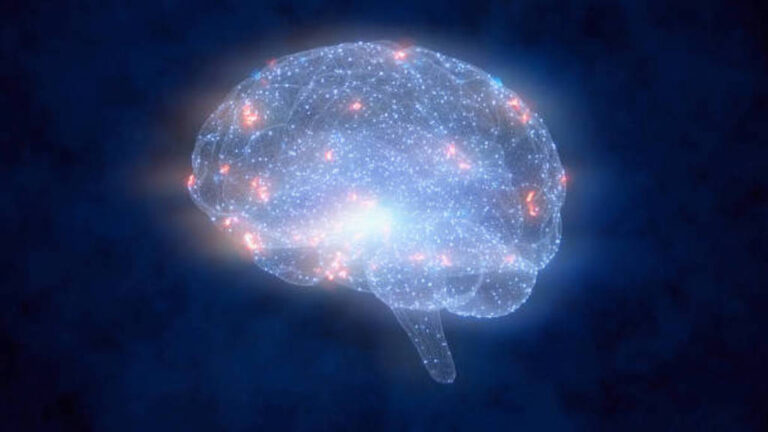
A controversial theory on consciousness has just been tested: Could consciousness be explained by quantum effects in the brain?
A 30-year-old theory on consciousness called, “Orchestrated Objective Reduction,” posits that consciousness could live in tiny microtubules in the brain, or as New Scientist explains, “Brain microtubules are the place where gravitational instabilities in the structure of space-time break the delicate quantum superposition between particles, and this gives rise to consciousness.”
The theory was first introduced in the 1990s by physicist Roger Penrose and anesthesiologist Stuart Hameroff, but was believed to be untestable and was therefore regarded as a fringe theory at best.
But now, New Scientist reports the theory has just passed a key test, writing, “Experiments show that anesthetic drugs reduce how long tiny structures found in brain cells can sustain suspected quantum excitations. As an anesthetic switches consciousness on and off, the results may implicate these structures, called microtubules, as a nexus of our conscious experience.”
In one experiment Jack Tuszynski at the University of Alberta shone blue light on microtubules, the hollow skeletal structure inside plant and animal cells, to see how they react. The light was caught in the microtubules and then re-emitted in a process called “delayed luminescence,” which they say is comparable to how the human brain processes information. and, they argue, could explain the fundamental workings of the brain and consciousness.
The second part of the experiment was to repeat it but in the presence of an anesthetic. The anesthetic suppressed the delayed luminescence in the microtubules, meaning the light was re-emitted faster after the anesthetic shut down the microtubule. So what does it all mean? Tuszynski believes that turning consciousness on and off via microtubules could be the beginning of our consciousness.
However, Fred Alan Wolf, physicist, lecturer, and author of “Taking the Quantum Leap” is skeptical about the role of microtubules.
“Somehow we don’t feel microtubules are the final answer, if at all the answer,” Wolf said. “Maybe it’s the mission of the light that has something to do with consciousness, and maybe we’re knocking out the microtubules by putting anesthesia onto them. So, that was the hypothesis, the guess, the tying together of the timing of the emission of re-emitted light to anesthesia to consciousness. So, eh, how would you prove it? It’s an interesting concept. Who knows whether it’s right or not — I doubt whether it’s right, it’s too simple.”
As someone who has studied consciousness for decades, what do you think is the answer?
“What consciousness is, is very difficult to say,” Wolf said. “A better line of research would be to try to determine what consciousness does. Can we actually point to things that are happening that we can attribute to consciousness itself?”
Much more testing is needed on the microtubule hypothesis, even Tuszynski himself told New Scientist, “We’re not at the level of interpreting this physiologically, saying ‘Yeah, this is where consciousness begins’, but it may.”
What Are Starseeds and How to Know If You Are One?
A starseed is a soul believed to have originated from another planet, star system, or dimension, carrying ancient wisdom and a higher purpose on Earth. Often described as advanced spiritual beings, starseeds feel a deep cosmic connection and an inner knowing that they are here to help guide humanity’s awakening. Many experience a strong sense of intuition, emotional depth, and the feeling that they have always been a little different from those around them.
In this article, we explore what starseeds are, their characteristics, and how you can identify if you are a starseed.
Table of Contents
- What Is a Starseed?
- The Purpose of Starseeds on Earth
- Origins and Lineage of Starseeds
- The Role of the Akashic Records in Understanding Starseeds
- How to Know If You Are a Starseed
- Benefits of Being a Starseed
- Challenges of Being a Starseed
- The Awakening of Starseeds
What Is a Starseed?
Starseeds are souls who have lived many lives on other planets and dimensions before incarnating on Earth. These souls possess advanced spiritual and scientific knowledge and have chosen to come here to assist in the planetary transformation process. It is believed that starseeds are here to raise collective consciousness and guide humanity toward a more harmonious and spiritual future.
Despite their extraterrestrial origin, starseeds may lead ordinary lives on Earth. However, they often experience a sense of not belonging and a deep longing to reconnect with their star home. This connection with the cosmos drives them to seek a greater purpose and to contribute positively to the world around them.
Common characteristics of starseeds include:
- A strong sense of not fitting in or feeling different from others
- A deep longing for meaning and connection beyond the material world
- An intuitive understanding of spiritual or metaphysical concepts
- A desire to help humanity and the planet evolve
- Heightened empathy, sensitivity, or compassion
- Natural abilities in areas such as energy healing, telepathy, or intuition
Starseeds may manifest unique abilities and talents that reflect their past lives on different planets. These souls are here to share their gifts with humanity and to assist in the process of spiritual evolution.
The Purpose of Starseeds on Earth
Starseeds have come to Earth with the purpose of assisting in its transformation and spiritual awakening. Their mission is to raise collective consciousness and guide humanity toward a state of greater harmony and love. These souls use their knowledge and abilities to inspire positive change and foster a more just and balanced world.
In addition to their collective mission, starseeds also have individual purposes that may vary depending on their talents and previous experiences. Some starseed missions may be devoted to healing, while others may work in education, social activism, or the arts. Through their actions, these lightworkers aim to plant seeds of light and love in all aspects of human life, promoting peace and unity.
Starseeds also act as beacons of light, showing alternative paths and helping people reconnect with their true essence. Their presence on Earth is vital for the planet’s awakening and spiritual evolution, and through their dedication and unconditional love, they are helping build a brighter future for all.
Common Starseeds Types: Origins and Characteristics
Starseeds are believed to come from advanced civilizations and star systems across the universe, each carrying unique traits and purposes on Earth. They are often categorized by their cosmic origin, such as Pleiadian, Sirian, Arcturian, or Andromedan, with each type embodying distinct qualities like deep intuition, wisdom, empathy, or strong leadership.
Below, we describe the origins and characteristics of some of the most well-known types of starseeds.
- Sirius Starseeds: They come from the planets orbiting Sirius A and Sirius B. These beings brought advanced knowledge and have been responsible for awakening many souls on Earth. It is believed that figures such as Jesus and Mother Mary are descendants of the Sirians.
- Pleiadian Starseeds: They come from the Pleiades star cluster known as the Seven Sisters. The Pleiadians are known for their deep love and creativity, and they are said to be the guardians of Earth’s records. They exist in a fifth-dimensional frequency and promote harmony and well-being.
- Andromedan Starseeds: Originating from the spiral galaxy of Andromeda, also known as MS31. They are a loving and telepathic race whose mission is to bring peace and love to all races in the universe. The Andromedans are masters of science and maintain a balance between intellect and heart.
- Arcturian Starseeds: They come from Arcturus, the most advanced system in our galaxy. The Arcturians are known to be spiritually advanced beings and are believed to act as guides for souls transitioning between life and death. Their society is a prototype of how humanity should live—based on peace and harmony.
- Orion Starseeds: Natives of Orion are known for their focus on science and knowledge. These beings seek to understand the universe through the mind and reason, promoting scientific and technological advances. The Orions also have a deep connection with the stars and seek to expand their cosmic wisdom.
- Lyran Starseeds: The feline beings from the constellation Lyra are spiritual figures who focus on the development of psychic abilities. Their energy is represented in many ancient cultures, especially in Egypt. The Lyrans bring grace and creativity to humanity, inspiring spiritual growth.
- Vegan Starseeds: They come from the star system Vega and are believed to be the original ancestors of humanity on Earth. The Vegans have a deep connection with nature and spirituality. They contribute knowledge about unity and balance between humanity and the cosmos.
- Maldekian Starseeds: Maldek was a planet in our solar system that was destroyed by internal conflict. The Maldekians who arrived on Earth learned from their mistakes and seek to teach humanity how to avoid self-destruction. They bring lessons on the responsible use of technology and power.
- Lemurian and Atlantean Starseeds: These ancient civilizations on Earth were highly advanced and spiritual. Starseeds from these places have reincarnated to share their lost knowledge. They seek to help restore the balance and wisdom that existed during those times.
Starseed Soul Classifications
Beyond their cosmic origins, starseeds are also described through different energetic classifications that reflect how their souls express themselves on Earth. While types such as Pleiadian, Sirian, or Arcturian speak to a soul’s galactic lineage, classifications like Indigo, Crystal, and Rainbow describe its vibrational qualities and purpose in this lifetime.
An individual may identify with both a celestial origin and an energetic expression.
Each classification is thought to represent a unique vibration or generational energy:
- Indigo souls: intuitive, bold, and visionary change-makers who challenge outdated systems.
- Crystal souls: compassionate, gentle beings who promote peace and unity.
- Rainbow souls: joyful, creative, and high-frequency energies focused on healing and love.
Together, these perspectives reveal both where a soul comes from and how it shares its light with the world.
The Role of the Akashic Records in Understanding Starseeds
The Akashic Records are an essential source for understanding the origin and mission of starseeds. The Akashic Records function as an energetic library that holds all the experiences, thoughts, and emotions of every soul since the beginning of time. Through these records, a channeler can access information that reveals key aspects of past lives, current purposes, and future spiritual paths.
For starseeds, connecting with others who share similar experiences can provide detailed information about their previous lives on other planets, their innate abilities, and the spiritual lessons they are meant to share. It also allows them to discover energetic patterns that influence their present life and clarify the deep purpose of their incarnation.
This valuable tool facilitates self-knowledge and helps starseeds recognize their life purpose in the collective awakening of humanity.
How Do You Know If You Are a Starseed?
If you have ever felt a deep disconnection from the material world and a strong connection to the cosmos, you might be a starseed. Many starseeds experience a sense of not belonging and a homesickness or longing to return to their star home. This feeling may manifest as a constant search for purpose and meaning in life.
Starseeds often have highly developed intuition and may possess psychic or spiritual abilities from a young age. They may experience vivid dreams or memories of lives on other planets, as well as a natural affinity for science fiction and the stars. These old souls are also frequently drawn to spiritual and philosophical subjects and are in a constant pursuit of expanding their consciousness.
Additionally, starseeds may feel a deep empathy for others and an innate desire to help and heal. This sensitivity can cause them to feel overwhelmed by the emotions of those around them, but it also drives them to find ways to relieve suffering. Their presence often inspires others to awaken and begin their own spiritual journey.
Finally, if you are a starseed, you are likely to feel an inner calling to make a difference in the world. This calling can manifest in many ways—through healing, education, activism, art, or many other paths. Regardless of the path you choose, your goal is always to raise collective consciousness and contribute to the well-being of humanity.
Signs You are a Starseed
Many people who resonate with the starseed journey share similar feelings and experiences. These traits often reflect a soul’s memory of its cosmic origin and its mission to help raise collective consciousness on Earth.
Common signs include:
- A sense of not belonging, as though Earth is not your true home.
- A deep fascination with the stars, space, or the idea of life beyond Earth.
- A strong inner calling to make the world more peaceful, loving, or conscious.
- Heightened empathy and sensitivity to the emotions of others.
- Powerful intuition or inner knowing that guides daily decisions.
- Recurring dreams or memories connected to other worlds or dimensions.
- A natural interest in healing, spirituality, or energy work.
- Wisdom beyond age, often feeling like an “old soul.”
If several of these signs feel familiar, you may be awakening to your starseed nature and remembering your true essence and purpose on Earth.
Benefits of Being a Starseed
Being a starseed brings with it numerous benefits that can enrich both the individual’s life and the lives of those around them. These souls possess unique characteristics and abilities that enable them to contribute significantly to the spiritual awakening and evolution of humanity.
Some of the benefits of a starseed include:
- Spiritual Connection: Starseeds have a deep connection with the divine and the universe. This allows them to access spiritual knowledge and experiences that enrich their own lives and those of others.
- Heightened Empathy: They possess extraordinary sensitivity to the emotions and needs of others. This enables them to offer support and understanding to those around them, fostering harmonious and meaningful relationships.
- Developed Intuition: They have sharp intuition that helps them make wise decisions and perceive hidden truths. This ability allows them to navigate life with greater clarity.
- Clear Purpose: Starseeds often have a strong sense of mission and purpose in life. This provides them with a clear direction and motivates them to work for the well-being of the planet and humanity.
- Psychic Abilities: They may manifest psychic abilities such as telepathy, clairvoyance, and energy healing. These capabilities allow them to help others and facilitate healing processes and spiritual growth.
Challenges of Being a Starseed
Despite the many benefits, being a starseed also comes with certain challenges that can complicate everyday life. The sensitivity and unique experiences of these souls may present difficulties that require constant management and adaptation.
Starseeds often face challenges such as:
- Feelings of alienation: They often feel disconnected from society and may experience a sense of not belonging. This alienation can lead to loneliness and isolation.
- Extreme sensitivity: As empaths, their heightened empathy and sensitivity can cause them to feel overwhelmed by the emotions and energies of others. This may lead to emotional fatigue and stress.
- Emotional challenges: Starseeds face intense emotional challenges due to their deep sense of purpose and mission. This emotional intensity may require careful management and self-care techniques.
- High expectations: Their desire to contribute significantly to the well-being of the planet can lead them to set very high expectations for themselves. This may result in frustration if they are unable to meet their own standards.
- Karmic connections: They may have to resolve complex karmic connections from past lives that affect their current life. This may involve confronting and overcoming old patterns and conflicts.
The Awakening of Starseeds
The awakening of a starseed is a profound and transformative process that can occur at any point in their life. The awakening process is often triggered by significant experiences or traumas that lead the individual to question their reality and seek answers beyond the mundane. During this process, starseeds begin to remember their true nature and purpose on Earth.
The starseed awakening can be both a blessing and a challenge, as it involves an intense journey of self-discovery and personal growth. Starseeds may experience expanded consciousness, heightened intuition, and the activation of psychic abilities. This process can be overwhelming at first, but over time, starseeds learn to manage and channel these energies for their own benefit and that of others.
As they progress in their awakening, starseeds begin to connect with other like-minded souls and find their spiritual community. This sense of belonging and support is crucial to their development and helps them fulfill their mission of raising planetary consciousness. The awakening of a starseed is an essential step toward fulfilling their purpose and creating a more loving and conscious world.