10 Health-Conscious Documentaries to Watch
In a time when illness and disease are running rampant, maintaining your health is paramount. So why not educate yourself on the myriad ways you can improve your wellbeing?
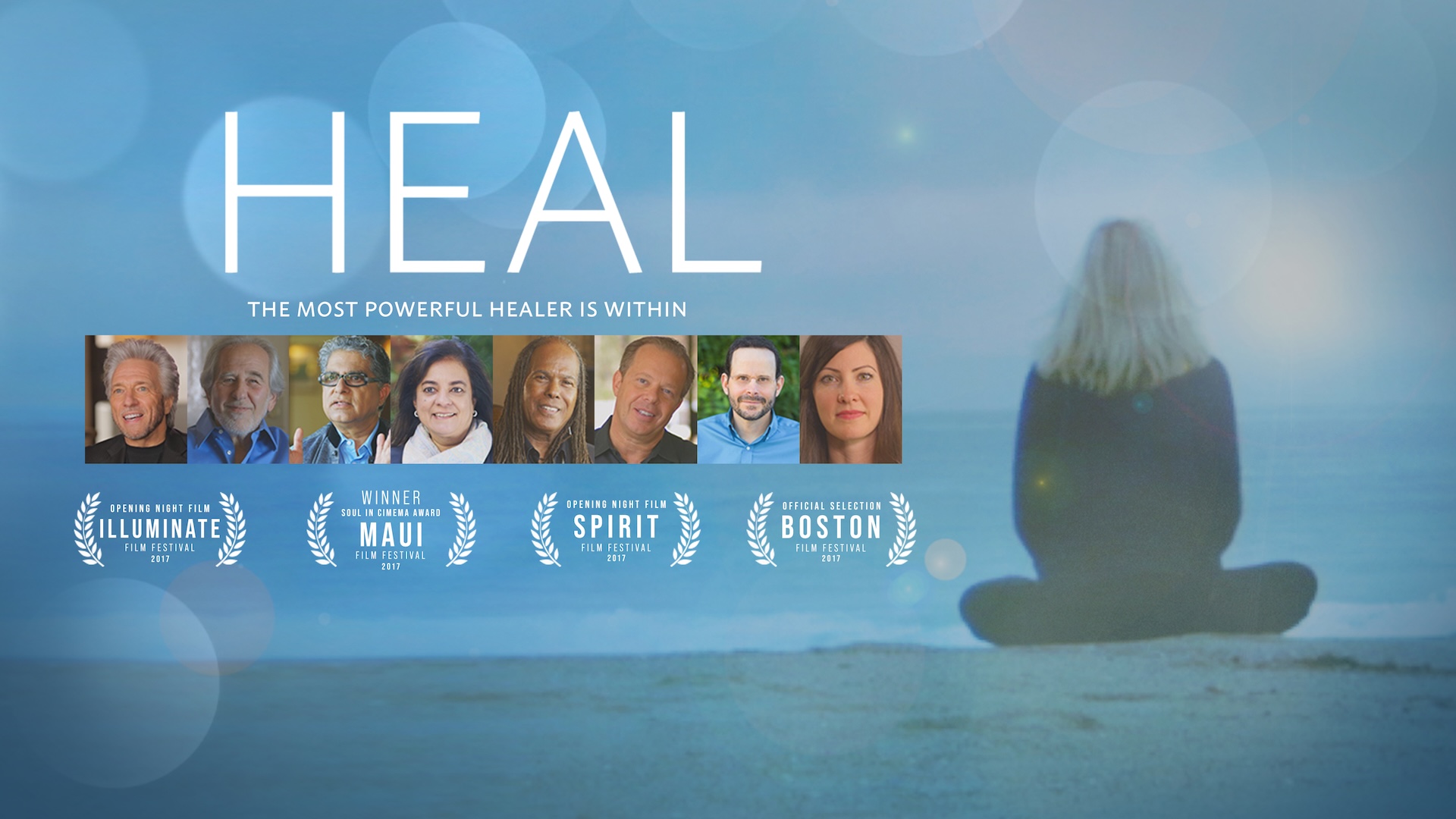
1. Heal
Take a scientific and spiritual journey to discover that our thoughts, beliefs, and emotions have a huge impact on our health, wellness, and ability to heal. The latest science reveals that we are not victims of unchangeable genes, nor should we buy into a scary prognosis. The fact is we have more control over our health and life than we have been taught to believe in western medicine. This film will empower you with a new understanding of the miraculous nature of the human body and the extraordinary healer within us all.
2. The Way of Miracles
The thought-provoking documentary, The Way of Miracles, embarks on a journey of human healing and personal empowerment, uncovering the underlying science behind miracle recoveries.
This film is based on a book written by holistic practitioner Dr. Mark Mincolla called The Way of Miracles: Accessing Your Superconsciousness. It weaves together teachings from both traditional western medicine and ancient holistic systems. Accompanied by insightful interviews from luminaries in the field, such as Dr. Deepak Chopra, Bruce Lipton, and other celebrated figures, it offers a compelling exploration of the subject matter.
3. Healing Vibrations
“Frequency plus intent equals healing.”
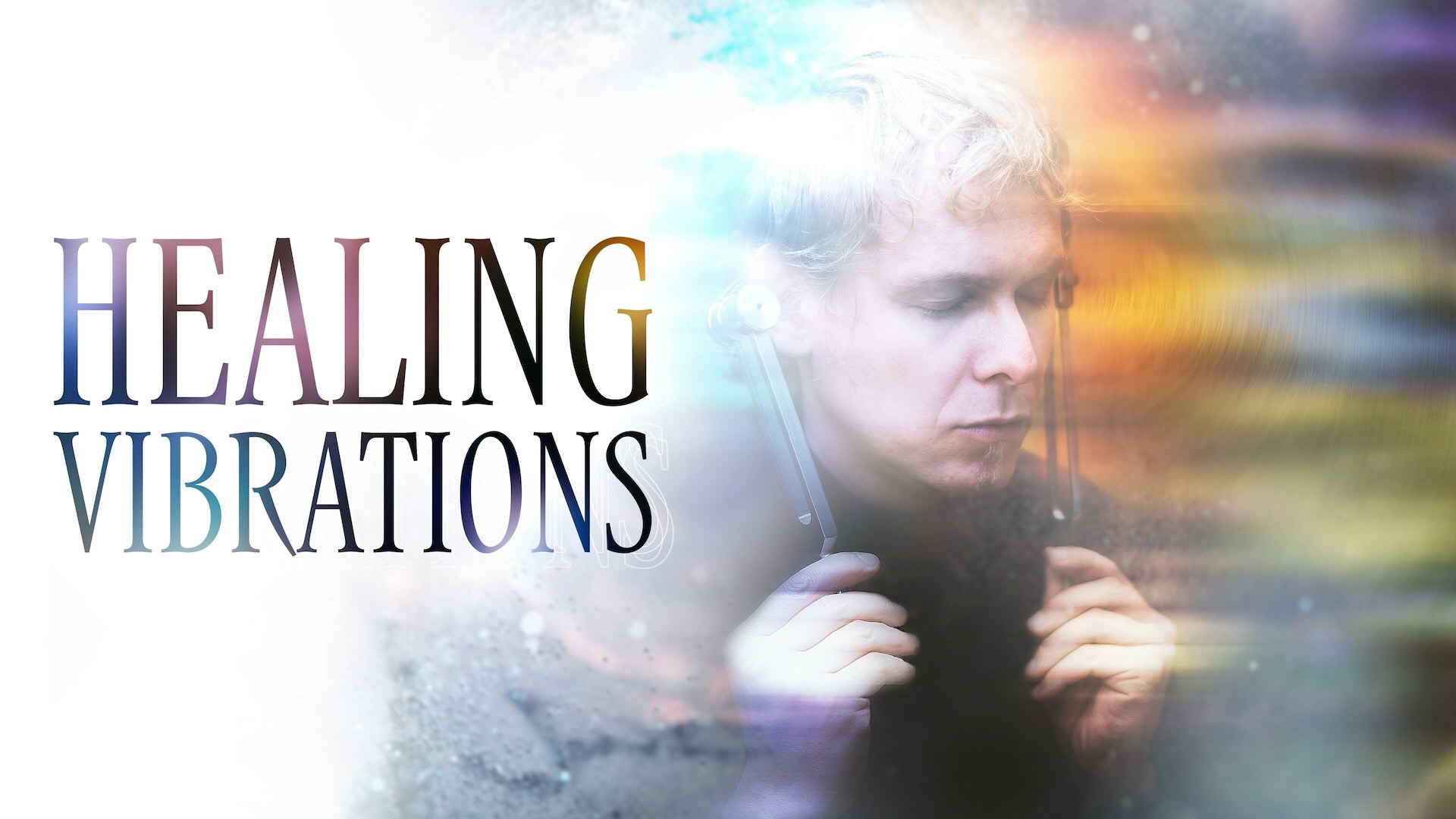
From acclaimed filmmaker Anthony Chene, Gaia presents the premiere of a new documentary exploring how sound frequencies and vibrations help heal the body, mind, and spirit. Featuring in-depth interviews with six experts in their respective fields who embark on a quest to master energy and intention with the aim to reconnect to who we really are.
Learn the common themes discovered by alternative researchers, including: a clinical practitioner of tuning forks, an academic in pursuit of evidence that our biology becomes our biography, an archeologist who discovered a sound-formed hieroglyph in an Egyptian crypt, and more.
4. The Natural Law
Could a 5,000-year-old natural science hold the key to thriving in the chaos of modern life?
The Natural Law invites you alongside one man’s transformative, decade-long journey to wellness through the ancient wisdom of Ayurveda. Featuring insights from over 30 renowned doctors and scientists, this powerful documentary uncovers the hidden toll of modern life’s stress and toxins.
Discover how Ayurvedic principles can restore balance, heal deep-rooted physical and emotional pain, and empower you to lead a healthier, more harmonious life. Adopting this way of life can provide immediate relief for life’s challenges—not just for yourself, but for the well-being of those you care about most.
5. Biohacking with Dave Asprey
“Biohacking is not just about being well… it’s about the power to transform yourself.”
Join bestselling author and biohacking expert Dave Asprey on a groundbreaking quest to challenge assumptions about human biology and discover efficient steps to increase longevity. In this exclusive Gaia Original series, Asprey reveals researched and tested strategies to unlock the body’s potential to heal, transform, and thrive.
Expand your understanding of how human biology relates to animal instinct, learn how to identify “kryptonite” for the body, and find out how to innovate an individual approach to living your best life, every day.
6. Hypnotherapy for Better Sleep
Sleep is an essential function that allows your body and mind to recharge, leaving you refreshed and alert when you wake up. Healthy sleep also helps the body remain healthy and stave off diseases. Without enough sleep, the brain cannot function properly and this can impair your abilities to concentrate, think clearly and even process memories.
Hypnotherapy is a powerful therapeutic technique that puts you into a deep state of relaxation, enabling access to the subconscious mind. Using the power of suggestion, the audio guided sessions in this series encourage a positive change to the way you think and feel.
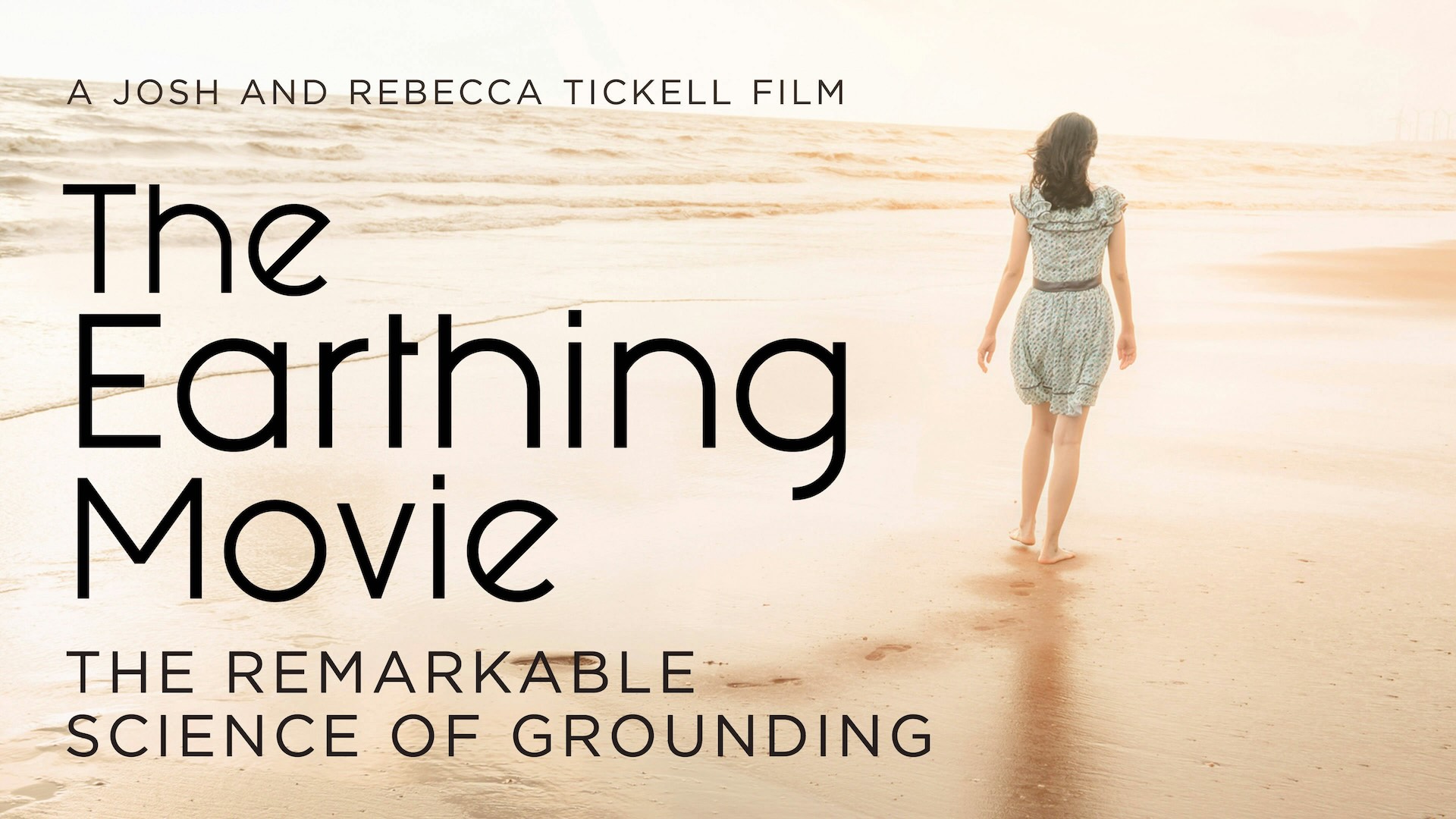
7. The Earthing Movie
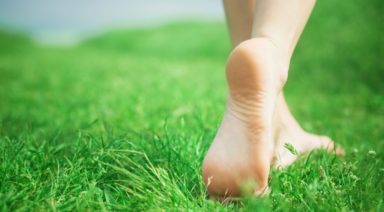
The Earthing Movie: The Remarkable Science of Grounding reveals the scientific phenomenon of how we can heal our bodies by doing the simplest thing that a person can do… standing barefoot on the earth.
The film reveals that the answer to America’s biggest health crisis may literally be right under our feet. Earthing, also known as “grounding”, means connecting to the Earth. As the film reveals, the surface of planet Earth is negatively charged and when this negative charge is connected to human skin, it reduces inflammation and contributes to other positive health effects.
This is a must watch documentary as it reveals the science of ‘grounding’ while calling us to connect to the Earth, heal our bodies, and become healthier beings.
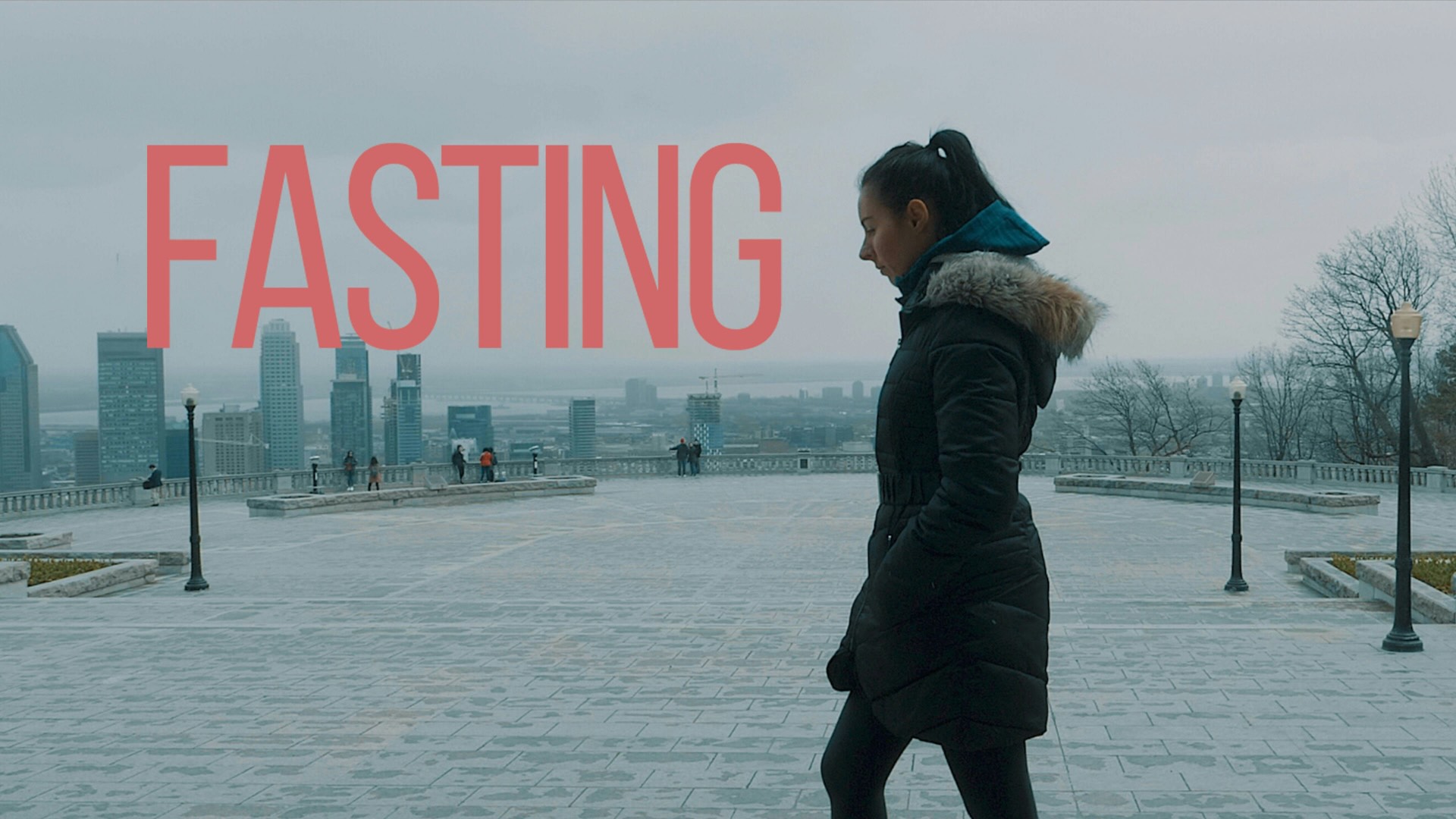
8. Fasting: The Movie
Fasting could be the silver bullet to our epidemic of chronic illnesses today. However, there’s more to the science of fasting than most think. This documentary explores several different methods of fasting, including time-restricted feeding, intermittent fasting, prolonged fasting, and long-term water fasting, among many others.
Featuring interviews with 54 people, including the world’s leading experts on fasting, as well as individuals who used fasting to treat obesity, high blood pressure, chronic headaches, and joint pain, this is no doubt the most comprehensive and objective look at fasting on film.
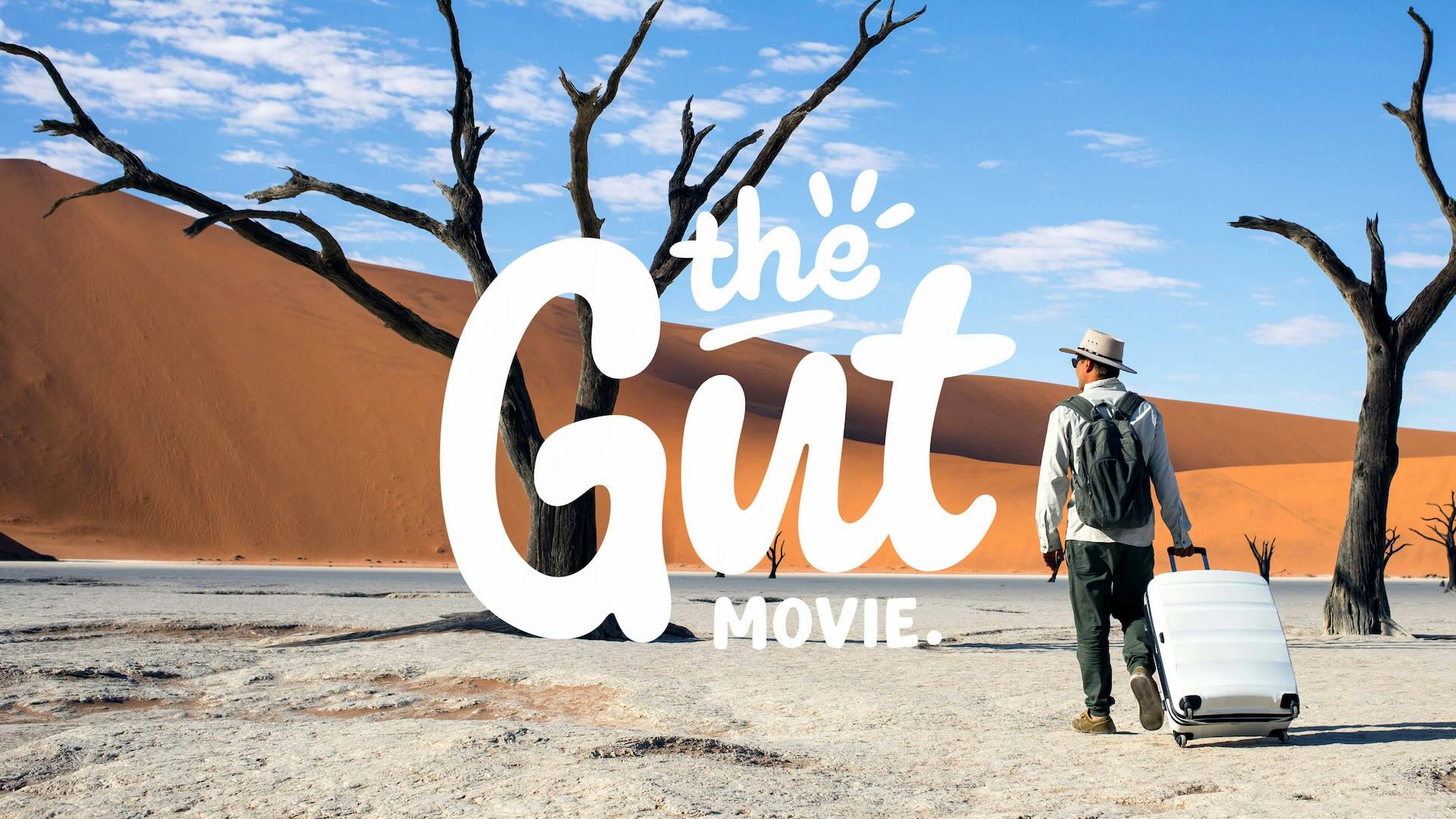
9. The Gut Movie
Join journalist and researcher Kale Brock on a scientific quest to discover whether the “optimal microbiome” does indeed exist. Filmmakers follow him as he travels from Australia to Namibia to live with The San, ancient hunter-gatherers who have lived off the land for centuries.
During the excursion, Brock monitors his microbiome closely and notes how it changes with his new surroundings. He also takes microbiome samples of The San to examine any significant differences in overall gut health – specifically, the microbiota present across cultures. Foremost gastroenterologist Professor Thomas Borody, molecular geneticist Dr. Margie Smith, immunology researcher and expert Professor Mimi Tang, naturopath and chiropractor Dr. Damian Kristof, and others weigh in on the human microbiome.
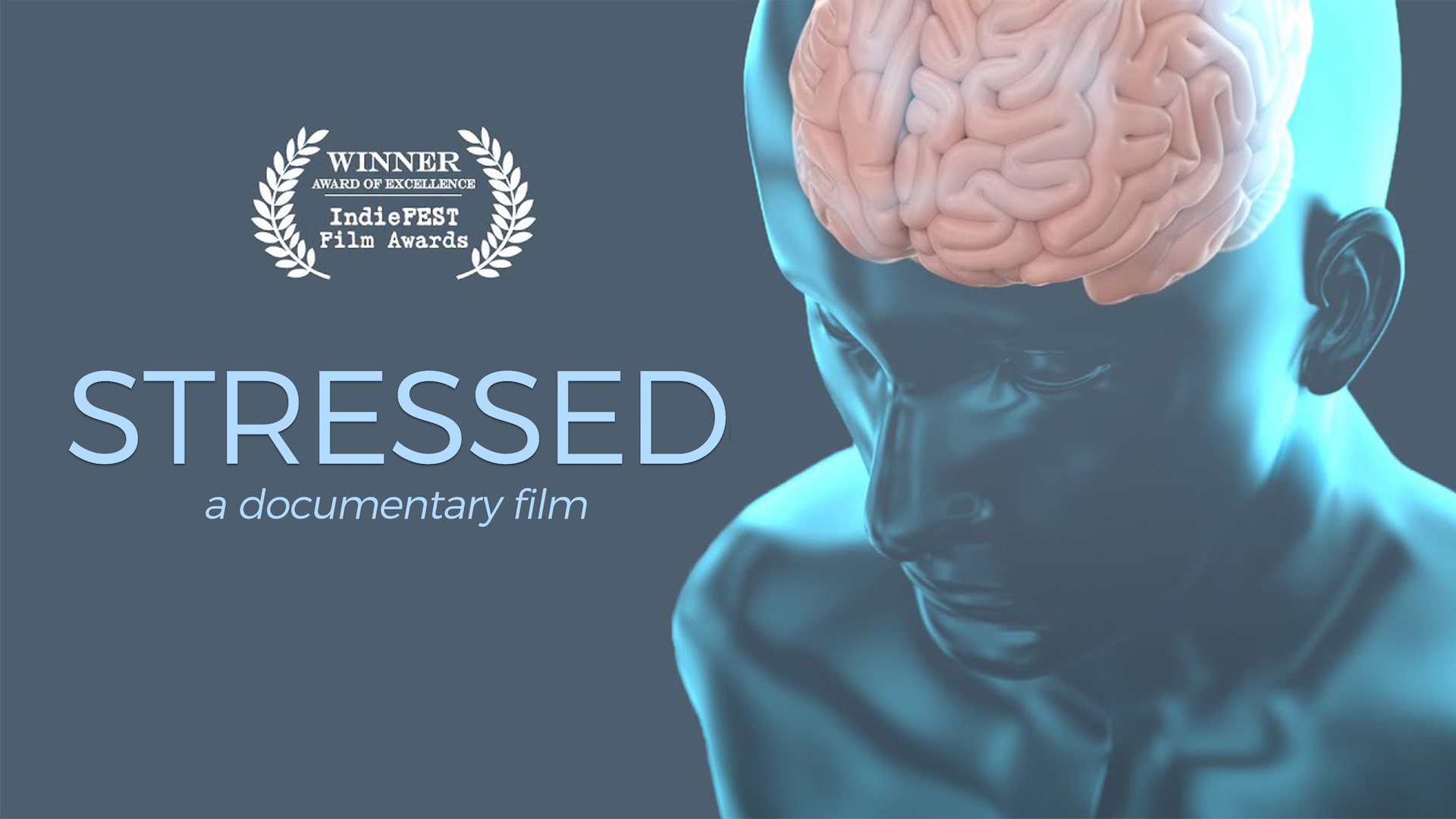
10. Stressed
A new exploration into emotional stress and its undeniable impact on humanity, STRESSED explores exciting science surrounding Neuro Emotional Technique (N.E.T.).
The film delves into our history with stress, how we got to where we are today, and where we go from here. Featuring experts and neuroscientists, we get a fresh perspective on the effects of stress. This documentary showcases compelling evidence that this breakthrough intervention can help people to alleviate their emotional stress, as well as deeper insight into this exciting topic.
About the Author

How to Tune the Circadian Rhythms in Your Body
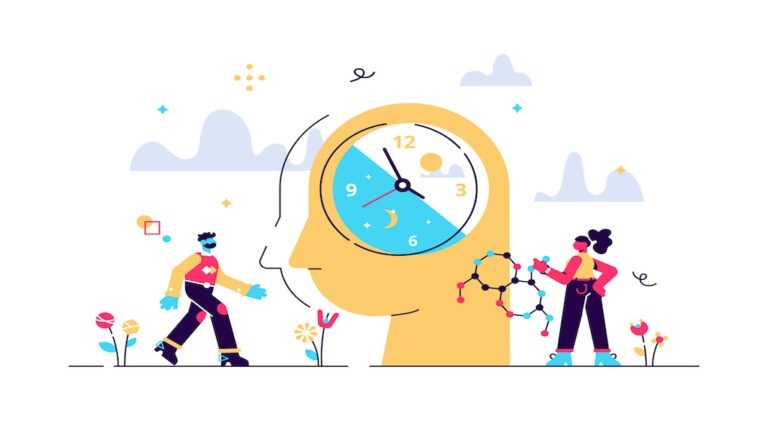
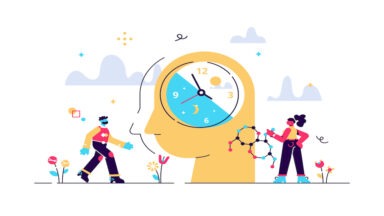
Never before have we lived so out of sync with the rhythms of nature. Can the resulting damage to our health be reversed? The new science of circadian medicine shows great promise in doing just that.
Until the industrial revolution, humans lived in accordance with the natural cycles of light and dark, or circadian rhythms. That all changed with the advent of electricity and artificial light. Today, our modern lifestyles and especially our exposure to blue light from electronic devices, have been making a major impact on our internal biological clocks. Research in an emerging field called circadian medicine is finding that there are ways to reset our circadian systems and bring us back into balance.
Dr. John Douillard is a renowned ayurvedic practitioner who’s been following the developments in the field and incorporating what he calls “circadian wisdom” in his practice for years.
“So the research is telling us that there are biological clocks in pretty much every cell of our body,” Douillard said. “But those biological clocks have to stay, like every clock, you have to set the clock to make sure it’s right and telling the right time. So the biological clocks are in sync with the circadian rhythms which are the light/dark cycles, both daytime, and the seasonal light/dark cycles.”