5 Methods for Energy Healing
The one thing that is undoubtedly universal amongst all of us is energy. It is the pervasive force that allows for life to exist and flourish, yet our Westernized minds are often reluctant to embrace it as something that should be considered in medicine. Meanwhile, it is the focus of many ancient Eastern health practices and remedies for the things that commonly ail us, and it can be used as a supplement to the prescribed medicine that we know to be tried and true. So what is energy healing, and how can you implement it into your life to benefit your health and wellbeing? These five different methods should give you a good idea.
How Does Energy Healing Work?
Depending on the method, energy healing focuses on the life force that flows through all of us; that force that dictates our mood, health, energy, and ability to connect with other beings. In Chinese and Japanese culture that force is referred to as ki or qi (pronounced: chi). In India, it is known as prana the energy that spins and flows through the chakras, an intangible force that cannot be comprehended in the materialist sense.
Although the perspective of western science and medicine often labels energy healing as pseudoscientific, the perception is starting to change as scientists and academics begin to understand the principles behind the techniques and benefits that have been known to eastern cultures for centuries. The learnings and breakthroughs in quantum physics have brought the understanding of the pervasiveness of energy to the forefront of western thought. Not only do our bodies consist of and run on energy in every aspect of their function, but there is an omnipresent field of energy throughout the universe that is now being studied via quantum field theory. This universal energy known to eastern cultures and the newly discovered quantum field are talking about the same thing, disagreeing simply over semantics.
Influencing this flow of energy by implementing physical and mental awareness and intention, can bring about profound and replicable results. Through meditation, physical touch, and exercise our energy bodies can be altered to provide higher states of health, consciousness and, you guessed it, energy. These energy healing techniques can help you find an approach that is right for you and lead you on a path to healing and sustained health, either as a primary or supplemental modality.
Qigong
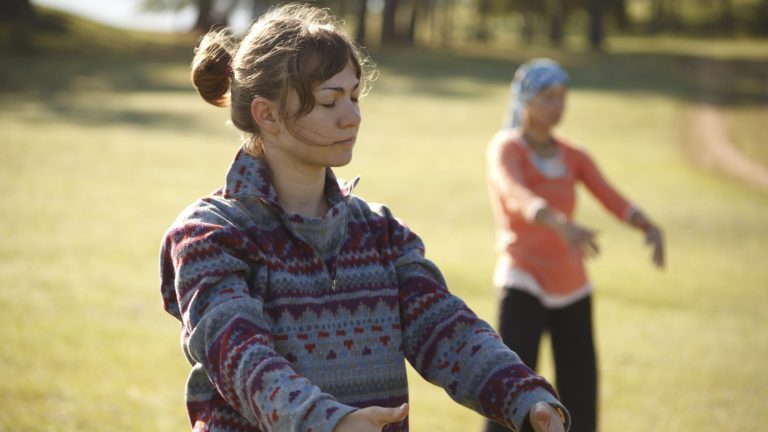
One of the fundamental practices of energy healing and exercise based on the Chinese concept of qi, qigong is concerned with balancing the flow of energy throughout the body. Much like Tai Chi or yoga, qigong cultivates the life force through a series of body postures, breathing, and meditation. It is also used as a foundational practice for martial arts, as it develops balance, agility, and muscle strength.
Qigong practitioners aim to develop higher levels of awareness, reduced anxiety, and a clearer vision of one’s purpose in life. It is often used as an effective practice in sports medicine, particularly with the elderly, due to its slow and controlled movements that aim to develop stability and ease tension. It has even been endorsed by the Harvard School of Medicine for its therapeutic benefits.
Qigong works by opening up blocked meridians, or the routes through which qi flows, in order to allow for unimpeded movement of energy throughout the body. The philosophy of qigong posits that blocked energy is the cause of illness and disease. By opening up these passages, we can prevent ailments or reopen the flow of energy to begin the healing process when we are sick.
Chinese Meridians and Acupuncture
The meridians are a map of routes within our body, through which qi energy flows. These meridians correspond with the connections and routes of muscles, endocrine glands and the nervous system. There are over 600 points on the body that acupuncture targets with thin needles that are directly connected to major organs and bodily systems. These connections are made through the meridians and collaterals, the vessels associated with meridians.
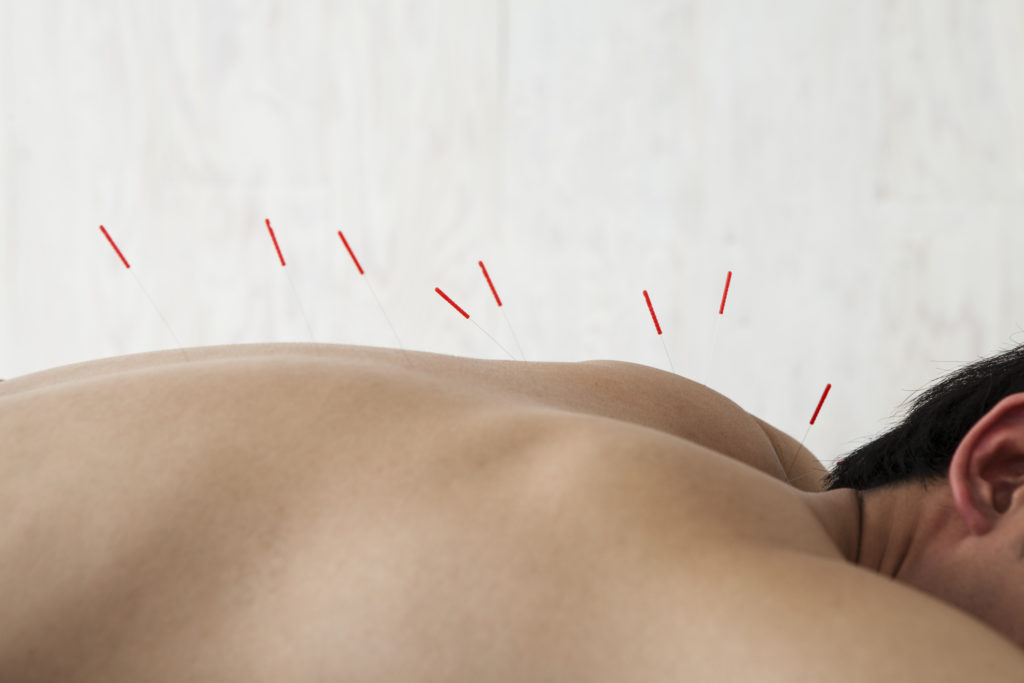
Knowledge of these meridians and collaterals is thought of very highly in Chinese culture and is considered equally as important as a doctor’s knowledge of our anatomy. Acupuncture is thought to promote the release of certain adrenal hormones like ACTH and cortisol that can help with certain bodily pains and organ function. It is even thought to have the potential to cure or help with overcoming addictions.
Of all of the different types of Traditional Chinese Medicine, acupuncture has gained the most notoriety, specifically as a complimentary modality to modern medicine. It has been widely embraced by doctors and patients throughout the western world, and could be one of the keys to a broader acceptance of eastern alternative medicine. Though needles are involved, the process is virtually painless and often relaxing.
Acupuncture has been found to treat a number of mental ailments like depression, anxiety, and negative moods. It has also had a positive impact on deeper physical issues like digestive problems and chronic pain.
Reflexology
Reflexology finds its roots in the Chinese focus on balancing the flow of qi, but primarily targets the hands, ears, and feet. Different locations on our feet and hands are thought to have direct connections through the meridians to different organs and systems in our body that can be detoxed and positively influenced. Through a targeted and sometimes intense massage, reflexology frees up blocked energy through stimulation, muscle relaxation, and the encouragement of lymph flow.

Reflexology is said to cleanse the body of toxins, boost the immune system, balance energy, and increase circulation. After a reflexology foot massage, one might feel like they are walking on air or feel lighter in their stride. Though these immediately noticeable effects can be fleeting, the unseen, internal effects can provide a longer lasting benefit.
Chakra Healing
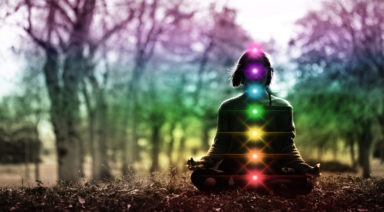
The Chakras are the ancient Indian conception of our body’s primary energy centers and are very similar in nature to the ancient Chinese conception. The word chakra translates literally to wheel and is thought to be one of seven spinning centers of energy found in our bodies. Our chakras, based on their location, are connected to key endocrine glands and areas of nervous system function throughout the body, much like the Chinese meridians.
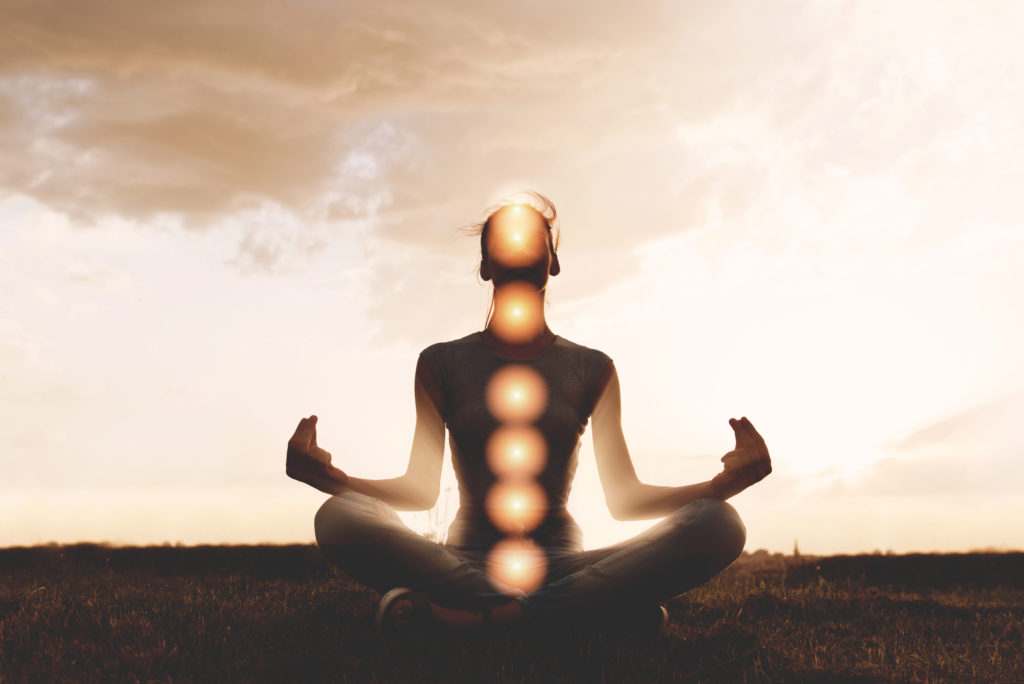
The seven Chakras are located in alignment from the top of our head, to the base of our spine and, when functioning in synchronicity, allow for a steady flow of energy throughout the body. Much like the Chinese yin-yang balance of qi, the energy in our chakras must be properly balanced. It doesn’t make sense to have an overabundance of energy in one chakra and a deficiency in another. Chakras also have the ability to open and close, allowing for the outward and inward flow of energy. Our chakras tend to close when we experience negativity, sadness and anger. In order to open up chakras we use breathing techniques, meditation and intention to eliminate negativity and open up to the flow of positive energy.
The seven chakras are as follows:
- Muladhara or Root Chakra: Base of Spine (tailbone)
- Swadhisthana or Sacral Chakra: Two inches below the navel
- Manipuraka or Solar Plexus Chakra: Three inches above navel
- Anahata or Heart Chakra: Located at Heart
- Vishuddhi or Throat Chakra: Located at Throat
- Sahasrara or Third Eye: Center of Forehead/Middle of Eyebrows
- Brahmarandra or Crown Chakra: Top of Head
Reiki
This Japanese technique was developed in the early 20th century by Mikao Usui based on the five principles of Japan’s emperor, Meiji. They are:
- Don’t get angry
- Don’t worry
- Be grateful
- Work diligently
- Be kind to others
Reiki is also based on the idea of the flowing life force known in Japanese as ki. The practice was developed to help people realize the importance of making an intentional effort to heal and be conscious of their health. This concept of self-improvement and self-discipline, that is a characteristic of Japanese culture, encourages Reiki practitioners to incorporate energy healing into their lives, but to also take an active role in healing oneself.

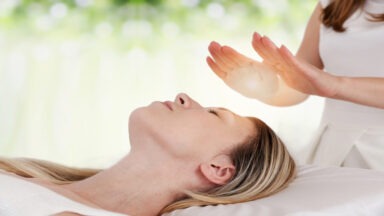
Reiki is a spiritual practice with its root word, Rei, roughly translating to “God’s wisdom” or “a higher power’s wisdom,” though it is not religious. Rather, it is based on this recurrent concept of the unseen life force that flows between us that can be channeled and used for beneficial means. Reiki uses palm-healing or hands-on-healing to transfer, balance, and realign energy from the healer to the recipient. Some universities throughout the US have even begun to incorporate reiki classes into certain curricula.
There are many commonalities that can be seen between these different methods of energy healing and it makes sense that they are all so similar. Though these time-tested traditions varied semantically, they all understood the flow of energy throughout our bodies and its importance in our health and wellbeing. Which one of these methods have you had success with and which will you implement in your life?
About the Author

Types of Aura and Their Meaning According to Their Color

The human aura is an energetic field that surrounds the body and reflects the emotional, mental, and spiritual state of each person. Its colors and vibrations can change depending on internal energy and external influences, providing information about personal balance and well-being. In this article, we explore what the aura is, its spiritual meaning, and how its interpretation can help understand and improve personal energy.
Table of Contents
- What Is the Aura and What Is Its Spiritual Meaning?
- Types of Aura According to Their Color and Meaning
- Red Aura: Energy and Passion
- Orange Aura: Creativity and Optimism
- Yellow Aura: Intellect and Joy
- Green Aura: Healing and Balance
- Blue Aura: Calm and Communication
- Indigo Aura: Intuition and Spiritual Perception
- Violet Aura: Transformation and Spiritual Connection
- White Aura: Purity and Spiritual Elevation
- Gray or Black Aura: Energetic Blockages and Protection
- Methods to Visualize and Read the Human Aura
- Relationship Between the Aura and the Chakras
- How to Cleanse and Balance the Aura to Improve Personal Energy
What Is the Aura and What Is Its Spiritual Meaning?
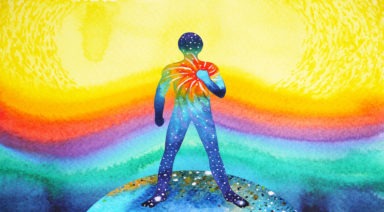
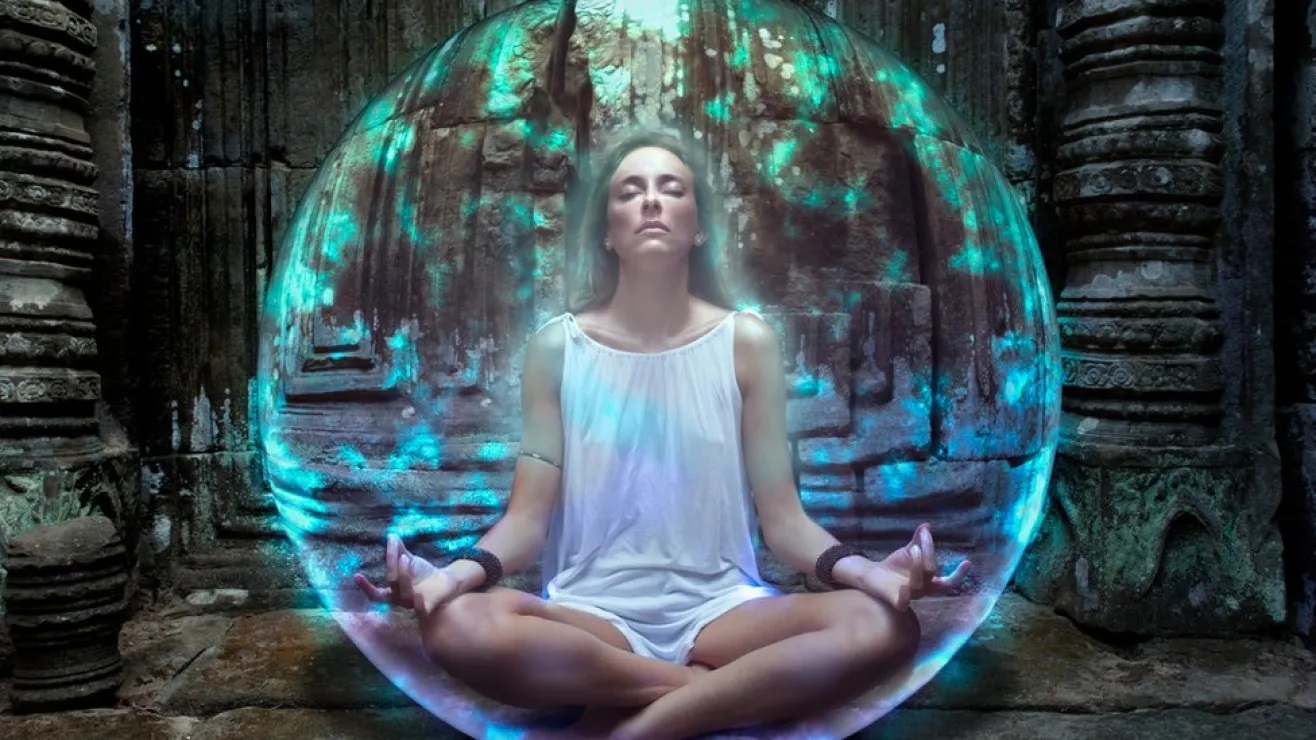
The aura is a field of energy that envelops all living beings and acts as an extension of their inner state. It is composed of different energetic layers that reflect a person’s physical, emotional, and spiritual health. Its vibration and color can change depending on mood, thoughts, and the level of consciousness of each individual.
From a spiritual perspective, the aura is a manifestation of vital energy, and its balance is essential for well-being. When the energetic flow is harmonious, the aura remains bright and stable, indicating mental clarity and emotional strength. In contrast, energetic blockages or dense emotions can create alterations in its tone and structure, affecting one’s connection with oneself and the environment.
In the Quantum Effect series, available on Gaia, expert Randy Veitenheimer explores the energetic nature of human beings and their relationship with consciousness. Through this series, concepts such as the duality of reality, interaction with the energetic field, and the influence of the aura on physical and emotional well-being are analyzed.
Types of Aura According to Their Color and Meaning
The spiritual aura of a person can manifest in different colors, each with a specific meaning. These tones reflect aspects of personality, emotional state, and energy level. Below, we explore the main colors of the human aura and their interpretation.
-
Red Aura: Energy and Passion
A red aura indicates a strong, determined personality full of vitality. It represents drive, action, and connection with physical and emotional strength. It is also associated with leadership, determination, and the ability to overcome challenges with courage.
-
Orange Aura: Creativity and Optimism
The orange aura reflects a creative, enthusiastic mind with great adaptability. It is linked to artistic expression, motivation, and a joy for life. People with this aura tend to be sociable, spontaneous, and enjoy exploring new experiences.
-
Yellow Aura: Intellect and Joy
People with a yellow aura have an agile, curious, and optimistic mind. This color is associated with intelligence, mental clarity, and communication. It also reflects a positive attitude, a sense of humor, and a strong ability to inspire others.
-
Green Aura: Healing and Balance
The green aura is related to healing, harmony, and connection with nature. It indicates a compassionate spirit, great empathy, and a profound ability to generate well-being in those around them. It is the color of those who seek personal growth and inner peace.
-
Blue Aura: Calm and Communication
The blue aura reflects serenity, mental clarity, and a great capacity for communication. People with this aura tend to be peaceful, reflective, and skilled at expressing their thoughts sincerely. It also indicates a deep connection with the truth and a natural inclination toward harmony in relationships.
-
Indigo Aura: Intuition and Spiritual Perception
An indigo aura represents a special sensitivity to the subtle and the transcendental. It is associated with intuition, extrasensory perception, and a profound connection with inner wisdom. People with this vibration often have a great capacity to understand realities beyond the obvious and a strong sense of spiritual purpose.
-
Violet Aura: Transformation and Spiritual Connection
The violet aura symbolizes change, evolution, and connection with higher planes of consciousness. It represents those who seek personal transformation and spiritual development, often feeling drawn to mystical knowledge or service to others. It is also related to inspiration and creativity in its highest form.
-
White Aura: Purity and Spiritual Elevation
A white aura is an indication of a pure and highly vibrant energy. It reflects a deep level of inner peace, mental clarity, and a connection with the divine. People with this aura tend to be spiritually evolved, with a strong sense of compassion and a desire to contribute to collective well-being.
-
Gray or Black Aura: Energetic Blockages and Protection
The gray or black aura indicates the presence of energetic blockages or a state of deep introspection. It can reflect moments of inner transformation, protection against external influences, or the need to release repressed emotions. Those who have this tone in their energetic field may be in a healing process or seeking clarity to overcome challenges.
Methods to Visualize and Read the Human Aura
Perceiving a person’s aura requires developing energetic sensitivity and the capacity for observation. Some techniques include the use of intuition, the practice of peripheral vision, and experimenting with different sources of light. With training and focus, it is possible to identify the colors and patterns of the human aura, gaining information about a person’s emotional and spiritual state.
-
Exercises for Perceiving the Aura
A simple method to begin perceiving the aura consists of placing the hands on a white background and relaxing while observing their outline. With a soft gaze and deep breathing, slight flashes or color shadows around the fingers can be detected. Constant practice helps to strengthen this ability and better interpret energetic vibrations.
-
Use of Kirlian Photography
Kirlian photography is a technique that captures the energetic field of an object or living being through high-frequency electrical discharges. In the case of the human aura, it is used to record the energetic emissions from the hands or body, revealing patterns of light and color. Although it is not a definitive method for interpreting the aura, it is a useful tool for observing changes in personal energy.
-
Meditation Techniques and Energetic Focus
Meditation is an effective practice for strengthening the perception of the aura and connecting with the energetic flow. Through concentration and visualization, it is possible to train the mind to perceive the subtle nuances of the auric field. Techniques such as white light meditation or energy scanning with the hands can help develop greater sensitivity to both your own aura and that of others.
Relationship Between the Aura and the Chakras
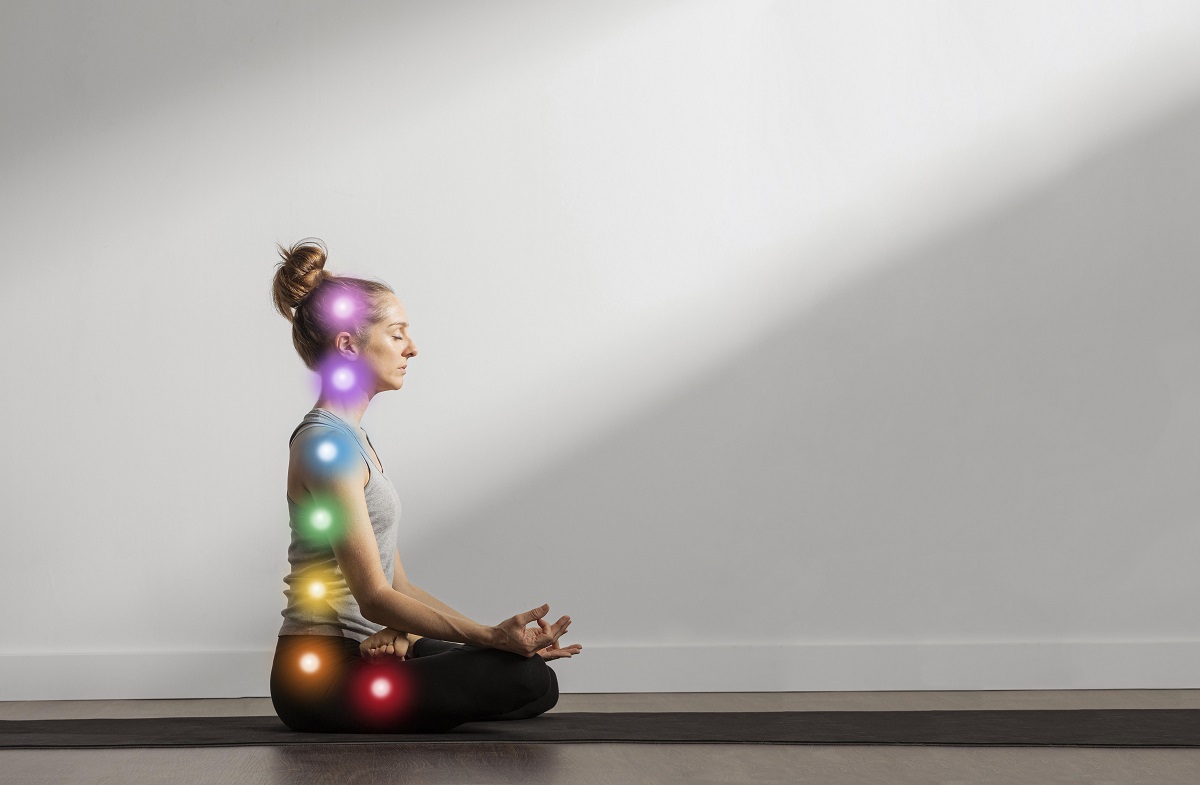
The aura and the chakras are deeply connected, as both are part of the human energetic system. While the aura represents the electromagnetic field that surrounds the body, the chakras are energy centers that regulate its internal flow. Each chakra influences a layer of the aura, and its state affects the aura’s vibration and color.
When the chakras are balanced, the aura remains bright and stable, reflecting physical, emotional, and spiritual harmony. For example, an open and healthy heart chakra strengthens the green aura, related to healing, harmony, and the connection with nature. Similarly, an active throat chakra enhances a light blue aura, associated with serenity, mental clarity, and a great capacity of communication.
If the chakras are blocked or unbalanced, the aura can become dull or fragmented. Factors such as stress, negative thoughts, or a lack of connection with oneself can affect its stability. For this reason, keeping the chakras aligned through meditation, conscious breathing, and energy healing helps strengthen the auric field and improve overall well-being.
How to Cleanse and Balance the Aura to Improve Personal Energy
Cleansing the aura is essential to release dense energies and restore energetic balance. One effective technique is the bath of light, which involves visualizing a white or golden light enveloping the body and removing any negative vibration. Elements such as salt water, sacred herb smoke, or energy crystals can also be used to purify the auric field.
Another way to strengthen the aura is through connection with nature. Walking barefoot on the earth, breathing fresh air, and receiving the sun’s energy help restore the energetic flow and revitalize the body. These practices allow you to release accumulated tensions and absorb positive vibrations from the environment.
In addition, it is important to care for thoughts and emotions, as they directly influence the state of the aura. The practice of positive affirmations, gratitude, and conscious emotional management helps maintain a high-energy field. Maintaining a routine of aura cleansing and balancing allows you to enhance vitality, mental clarity, and connection with your spiritual purpose.