12 Easy Ways to Use Castor Oil

In one of my past posts, 6 Uses of Castor Oil, I outlined six healing properties of this dynamic oil. In this article I will outline a list of 12 ways you can incorporate the natural healing abilities of this oil into your personal healthcare and beauty regime.
- As a night-time moisturizer.
Many commercial beauty products are full of a lot of unnecessary, expensive, unhealthy ingredients. For this reason I prefer to keep my skincare regime simple. Oftentimes as a moisturizing, wrinkle-reducing night cream, I simple apply a thin layer of castor oil to my face and go to bed. Castor oil reduces the appearance of wrinkles and under eye circles. Its antibacterial properties are also helpful at treating minor acne.
- To stimulate eyelash and eyebrow growth.
Everyone wants full, luscious lashes but overusing mascaras and other eye makeup products can affect lash growth. Apply a tiny amount of castor oil to the tips of eyelashes and over eyebrows to stimulate their growth. Avoid getting the oil into eyes.
- To heal split ends.
Apply some castor oil to the ends of long hair to help moisturize dry ends and prevent splitting. Wash off the oil with your morning shower.
- To dissolve cystic acne and other skin masses.
I often suffer from cystic acne. However, castor oil’s cyst-dissolving properties offer a natural, safe way to decrease these painful, embarrassing masses. I apply a small amount to problem areas and leave on overnight. In the morning I always notice that the blemishes have reduced significantly as a result of these topical treatments. The castor oil also decreases the pain and inflammation associated with this type of acne.
- To naturally deep clean the face.
Science tells us that ‘like dissolves like’, which is why the Oil Cleansing Method (OCM) is one of the most effective ways to deep clean pores, removing blackhead-causing debris. Simply combine one part castor oil to one part carrier oil (a light oil like apricot kernel oil, olive oil, grapeseed oil, jojoba oil or almond oil) and massage face thoroughly for 10 minutes. The oil enters pores, removing the waxy junk and blackheads that often erupt as acne. After massaging, wet a clean washcloth with very hot water (be careful not to burn yourself), wring out excess water and apply the hot cloth over your face until it cools. The steam from the washcloth helps to further remove pore-clogging substances. If necessary, reheat the washcloth and apply again. This method removes make-up, moisturizers, excess oils and deep cleans pores, while leaving a thin, moisturizing film of oil on skin. This simple method of cleansing skin combines cleansing, toning and moisturizing into one ritual, using only oil as the ingredients. It’s an effective and natural way to simplify your skincare regime.
- To relax tight muscles.
Apply castor oil as a topical treatment to areas of tension and muscle knots, such as the neck and upper back. Leave the oil on problem areas to sooth and relax aching muscles and reduce pain.
- To ease sore, cracking joints.
Castor oil effectively penetrates and lubricates joints, reducing cracking and stiffness. It also contains anti-inflammatory and pain-relieving properties, helping to sooth soreness. Coat the skin around the joint with a generous amount of castor oil and apply a hot water bottle on top. The heat helps to increase the penetration of castor oil into the joint where it can exert its healing effects.
- To detoxify the liver.
Create a castor oil pack by applying a liberal amount of castor oil over the liver (on the right side of the abdomen, below the right breast, over the rib cage). Next, apply an old towel over the area and then a hot water bottle. Relax for 30 – 60 minutes, allowing the castor oil to penetrate the liver and gallbladder, aiding in their detoxification. This is a necessary ritual to perform every day while engaging in any kind of dietary of lifestyle detoxification program.
- To improve and aid constipation.
Before bed apply a generous amount of castor oil to the lower abdomen – below the belly button and above the pubic bone – then top with a towel or old pajamas. The castor oil helps increase the movement of the large intestine, moving along the contents, keeping you regular and aiding in detoxification.
- To sooth itching skin.
Apply castor oils to areas of itching, such as minor skin rashes and small bug bites. Castor oil’s anti-inflammatory and itch-relieving properties help provide relief.
- To heal fungal infections.
Add 1-2 drops of tea tree, lavender or oregano essential oils to a dollop of castor oil and apply to minor fungal skin infections. Both the essential oils and castor oil contain antifungal properties, while helping to moisturize and relieve the itching of infected skin.
- As a warming self-massage.
Castor oil is a warming oil and is therefore great for stimulating the sluggish, congested circulation of kapha constitution or soothing the dry stiffness of vata constitution. Simply be aware of its potential to stain clothes, so be mindful to wear old pajamas and bed sheets when performing massages with castor oil. Self-massages are best done before bed where you can allow the oil’s healing properties to work over night.
This article is not meant to serve as medical advice. For a more individualized assessment, please see a licensed naturopathic doctor.
About the Author

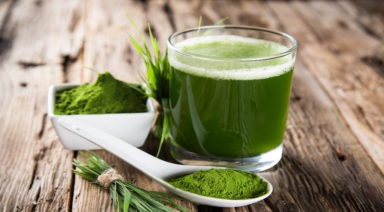
The Big Powder Healers: Wheatgrass, Barley Grass, Spirulina & Moringa
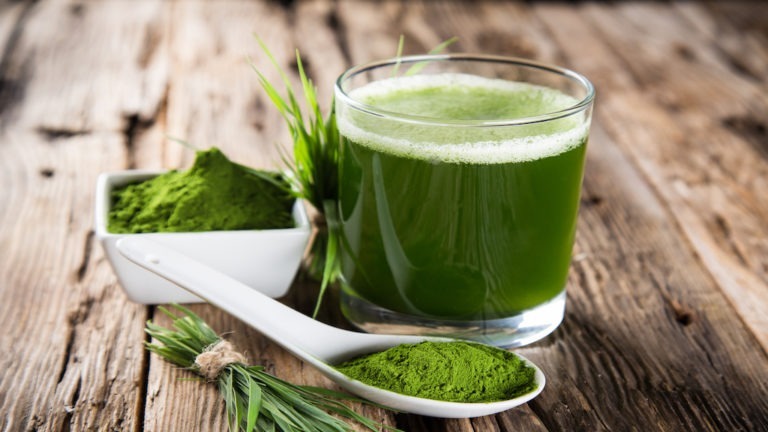
In the 1960s and 70s, one type of grass was prevalent. While possession of even a tiny amount may have landed you in jail, your stash was vital to your social status, romantic entanglements, and personal well-being. Luckily, there are several types of grass and algae today that are equally or far more nutritious. These robust plants can remove toxins from your system, drastically reduce or eradicate inflammation, and improve your physical and emotional health. Whether consumed in shakes, shots, pills, or tinctures, wheatgrass, barley grass, spirulina, and moringa might be your new best grass buddies.
“Although few people have ever heard of it today, Moringa could soon become one of the world’s most valuable plants, at least in humanitarian terms.”
— Noel Vietmeyer, US National Academy of Sciences