What is Astral Projection?
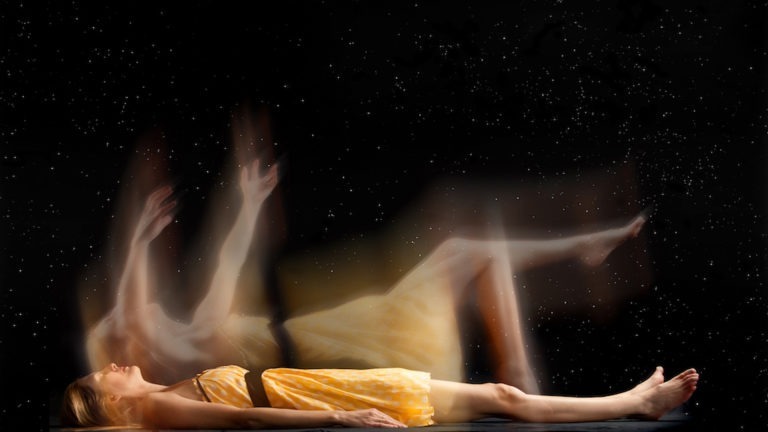
Call it what you like — dream body, astral body, energy body, Buddhist light body, Taoist diamond body, Egyptian ka, Tantric subtle body, Hindu body of bliss — and in Christianity, the experience of different “heavens,” i.e. “I know a man who was caught up to the third heaven. Whether it was in our out of body, I do not know,” from Corinthians 12:1-4. The subtle body is a universal human experience, and apparently part of our standard human design like toenails and kidneys. It is this subtle body that projects astrally and is active during unconscious and lucid dreaming; astral projection and dreaming often go hand-in-hand as “out-of-body” experiences, or OBEs.
The subtle body, when cultivated, can survive the physical body as a matrix for consciousness, and astral projection and lucid dreaming are part of spiritual training paths for subtle body cultivation. Neophytes confuse the subtle body with the soul or spirit, two additional aspects of multi-dimensional humans.
Out of Body Experiences and Astral Projection
The OBE can be intentional or involuntary, as with near-death events when people report finding themselves floating near the ceiling of their hospital rooms, perhaps observing medical staff attempting to revive them. Trauma, illness, or water and food deprivation, as with Native American vision quests, can trigger OBEs. Lucid dream states are opportunities for intentional OBEs. For the purposes of this article, OBEs may be spontaneous, and astral projection a conscious choice, though some would argue otherwise.
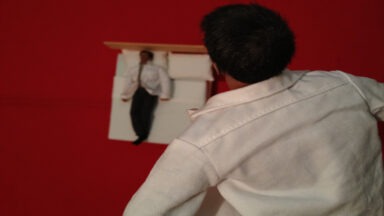
Essentially, the OBE begins with an experience of leaving the body and consciously observing it from a detached perspective. With practice and lucidity, awareness can be directed to locations or activities like flight. Yes, flight. If you’ve had flying dreams — literal flying, no 747 required — or being in the sky, you’ve had OBEs. Some say that we have regular OBEs during sleep, often hovering a few inches over our physical bodies.
Neuroscientists are puzzled — while the experience is no longer dismissed out of hand by medical professionals, science holds the view that OBEs involve neurological or brain dysfunction. After his own experience, Dr. Raymond Moody MD became interested in near death OBEs, and for decades interviewed hundreds of experiencers and collected data, defining common qualities of OBEs. Moody identified nine common elements of a near-death OBE — some experiencing all, some, only two or three.
Benefits of OBE
The tantrics mastered lucid OBE and dream states to overcome the fear of death by learning that we are not our “bodies.” They also discovered that the physical body can experience deep healing during OBEs — the mind can be tough on the body. And rather than losing time to practice meditation during sleep, yogis continued working through the night while the body rested.
Some athletes learn lucid dreaming to practice and visualize their game. By working in a dream or out-of-body, not only do they visualize, they have a “felt sense” of their practice, and can actually acquire the muscle memory for winning habits. Others benefit from the opportunity to explore past lives as well as accelerated personal development.

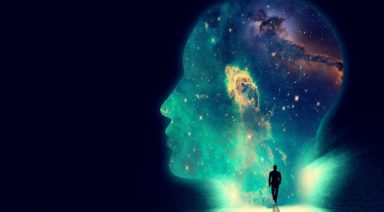
It is our energy, or subtle body that comes and goes from our physical form.
Astral Projection Methods
There are dozens of methods to learn conscious OBE and astral projection. There are two approaches — one is to keep the mind awake while the body falls asleep. It’s tricky — the mind wants to do what the body is doing. The goal is to take the body into deeper and deeper states of relaxation without drifting into unconsciousness. Yoga Nidra is one method. Once the body enters sleep state, practitioners simply “roll” out of their physical form.
Ancient yogis would tie two frogs together before sleep. Once tied, the frogs would continuously croak— a yogi would use the sound to anchor awareness as the body drifted into sleep, and either leave the body, or enter lucid dream states. If, during a dream, the yogi could no longer hear the frogs, he/she knew lucidity had been lost, and could “wake” again within the dream.
How to Astral Project/Travel
Monroe Institute Steps
Bob Monroe, founder of the leading research organization in the field of human consciousness called The Monroe Institute, penned a body of work titled “Journeys Out of the Body” in 1971 in which he provides a detailed outline for how to astrally project one’s self in seven steps:
- Step 1: Relax, both physically and mentally.
- Step 2: Enter a hypnagogic state, or half-sleep.
- Step 3: Deepen the state by prioritizing mental sensation over physical sensation.
- Step 4: Pay attention to the presence of vibration in your environment, which becomes apparent in a state of deep attention.
- Step 5: Incur the vibration in your physical body, and relax into its presence. The purpose of this is to gently jiggle the subtle body out of the physical body.
- Step 6: Focus your thoughts on leaving the limbs and the torso, and try to do so one at a time.
- Step 7: Known as “lifting out,” focus on effortlessly drifting out of your physical body.
The Astral Projection Rope Technique
From the work of Robert Bruce, founder of the Astral Dynamics movement, the rope technique is regarded one of the most accessible astral projection methods.
Step 1: Relax the physical body by visualizing each muscle.
Step 2: From your space of relaxation, enter a vibrational states; this should feel like an amplified version of a cell phone’s vibration mode pulsations coursing through the body.
Step 3: Imagine a rope hanging above you.
Step 4: Using the astral, or subtle, body, attempt to hold on to the rope with both hands. The physical body remains completely relaxed.
Step 5: Begin to climb the rope, hand over hand, all the while visualizing reaching the ceiling above you.
Step 6: Once you are aware of your full exit of the physical body, you are able to explore the astral plane.
Lucid Dreaming Techniques
Again, there are numerous lucid dreaming techniques. Some are designed to train the sleeper to wake within the dream, others offer methods of staying lucid while letting the body fall asleep.
A Nootropic Approach
Yes, it’s sounds weird. Nicotine has specific actions on brain chemistry — but no, it’s not about smoking. Considered a cognitive enhancer, nicotine is gaining fans among biochemical brain hackers.
Many, using nicotine patches to quit smoking, have inadvertently discovered what happens when they forget to remove a patch before sleep. Nicotine can induce hyper-realistic, but bizarre dreams that are so outrageous that many simply say to themselves, “Omg. This MUST be a dream. It’s too nuts to be anything else.” And voila — lucidity is attained. This is not an endorsement of the method, as many report nightmares when using nicotine.
Lucid Dreaming With Habit and Repetition
We attain lucidity the instant we recognize we’re in a dream state. Some people train by asking themselves, several times a day for days or weeks, “is this a dream?” The question eventually gets stuck in the place songs and jingles get stuck and are hard to unstick — things like “Afternoon Delight” by the Starlight Vocal Band. You know what we’re talking about.
The premise is that the question begins to habitually repeat by itself, and that eventually the mind will ask during a dream. When the dreamer answers, “why yes, this IS a dream!” they achieve lucidity.
The best opportunities for becoming lucid within a dream are during REM (rapid eye movement) sleep. This stage happens in the first two hours after we fall asleep and before we wake up. By waking and going back to sleep during the night we increase REM sleep time. Some use the sleep/wake method by setting interval alarms during the night, getting up for a few minutes, and going back to sleep with an intention of keeping the mind awake. If awakened during a dream, immediately go back to sleep — if possible, re-enter the dream with lucidity.
About the Author

What Is Spiritual Mediumship and How Does It Develop?

Mediumship is an ability that allows some people to act as a channel between the physical plane and the spiritual world. This ability manifests itself in various forms and has been recognized in multiple traditions throughout history. In this article we explore what it means to be a medium, how this faculty is developed and what its purpose is within the spiritual path.
Table of Contents
- What Does It Mean to Be a Spiritual Medium?
- What Is a Mediumship Session Like?
- What Kind of Messages Are Received in a Mediumship Session?
- Who Can Be a Spiritual Medium?
- How Do I Know if I Have the Gift of Mediumship?
- How Does Mediumship Develop?
- History and Origins of Mediumship
- Literature and Resources on Mediumship
What Does It Mean to Be a Spiritual Medium?
Mediumship means having the ability to act as a channel between the physical world and spiritual dimensions, facilitating the exchange between human beings and non-corporeal entities such as spirits of the deceased and spirit guides. This ability manifests in different forms, including clairvoyance (seeing spirit entities), clairaudience (hearing spirit messages) and psychometry (reading information from physical objects).
Mediums are instrumental in the process of providing comfort and understanding to those seeking closure with past events or beings. Through their unique connection, they facilitate communication that allows people to receive important messages and signals, offering a spiritual perspective that can be important for personal growth and emotional healing.
In the series Channeling: A Bridge to the Beyond, available on Gaia, the connections between mediums, channelers, and other forms of contact with the spiritual world are explored. Throughout the episodes, the series delves into how these practices allow access to higher planes of consciousness and receive messages from other dimensions.
What Is a Mediumship Session Like?
A mediumship session usually begins with the medium establishing a calm and protected environment where both the querent and the medium can feel safe and relaxed. It is common for the medium to ask the spirit world for permission to communicate and to request the presence of spirit guides to facilitate a clear and protected connection. The intention is to create a sacred space that allows for fluid and respectful communication.
During the session, the medium enters a state of concentration or light trance, which allows him/her to tune into the frequencies of the spiritual plane. Messages may come in the form of images, sounds, sensations or even intense emotions. The medium interprets these signs and transmits them to the person consulting. Not all communications are verbal; some may be impressions or feelings that the medium describes to his client.
At the end of the session, it is customary for the medium to offer a moment for the person consulting to ask questions or seek clarification on the information received. The session is then closed with a prayer of thanksgiving to the spirit entities for their guidance and protection. It is important that both the medium and the querent take a moment to anchor and clear their energy, ensuring that the spiritual connection is properly closed.
What Kind of Messages Are Received in a Mediumship Session?
In a mediumship session, the messages received can vary widely, depending on the needs of the person consulting and the entities communicating. These messages are intended to provide guidance, comfort, or resolution of unfinished business. Often, they are personal and meaningful, designed to aid in healing, understanding, or personal growth.
- Advice and guidance: Spirits often offer advice in dealing with personal challenges or important decisions. They may provide insights or suggestions based on their broader view of the person’s life plan.
- Messages of comfort: It is common to receive messages from deceased loved ones seeking to reassure family members that they are at peace and still present in some way. These messages can help ease the pain and encourage the grieving process.
- Warnings and cautions: Sometimes, messages contain warnings about future health problems, poor decisions or negative relationships. These warnings are intended to protect the person and guide them to a safer path.
- Validations and confirmations: Spirits can provide information that validates past emotions, situations or decisions. These types of messages reinforce the feeling of being connected to the universe and being on the right path.
- Resolution of pending issues: Messages may also include apologies or explanations about past conflicting situations or misunderstandings. This can be essential for emotional closure and healing for both the receiver and the spirit.
Who Can Be a Spiritual Medium?
Mediumship is not limited to a specific type of person; people of any age, culture or background may find that they possess this gift. While some people may show natural abilities from an early age, others may develop them later in life. What is essential is a willingness to connect with the spiritual plane and the ability to open the mind and heart to experiences beyond the tangible.
The predisposition to mediumship may be innate or may be stimulated by significant life events, such as a near-death experience or a deep personal crisis. These experiences often act as catalysts, awakening a sensitivity to subtle energy and spiritual dimensions. However, having a natural inclination is not a requirement; with proper training and practice, almost anyone can develop the ability to mediate between worlds.
How Do I Know if I Have the Gift of Mediumship?
Recognizing the gift of mediumship often begins with perceiving signs or receiving messages that others do not detect. These experiences may manifest as strong intuitions, vivid dreams, or even voices with no apparent source. If these perceptions become more frequent or intense, it could be a sign of underlying mediumistic abilities.
In addition, a tendency to feel the emotions or thoughts of others intensely or a special, unexplained connection to certain places may also indicate mediumistic potential. The key is in conscious observation of how these experiences affect and integrate into daily life. Those who find that these events bring clarity or comfort, rather than fear or confusion, may be discovering their path to mediumistic practice.
How Does Mediumship Develop?
Developing mediumistic skills often begins with education and practice in spiritual and energetic development techniques. Meditation is essential, as it helps to calm the mind and strengthen the connection to the spiritual plane. Attending workshops or classes with experienced mediums can also provide the tools necessary to understand and master these skills.
Constant practice is crucial for any aspiring medium. This includes not only meditation and energy exercises, but also participating in spiritual circles where one can practice receiving and delivering messages under the supervision of professionals. These environments allow a safe space to explore and hone mediumistic skills, learning to discern between different types of energies and messages.
History and Origins of Mediumship
Mediumship has been an integral part of many cultures throughout history, with evidence dating back to ancient civilizations such as Egypt, Greece and Rome. In these cultures, mediums were seen as bridges between gods and humans, providing essential guidance and revelations. These figures were often revered and feared, depending on local beliefs and power structures.
During the Middle Ages, the perception of mediumship changed considerably due to the influence of the Church. Mediums were often labeled as witches or heretics and persecuted accordingly. However, in secret societies and among certain esoteric groups, mediumship continued to be practiced and passed from generation to generation as a profound spiritual art.
Modern interest in mediumship resurfaced in the 19th century with the Spiritualist movement, particularly through figures such as the Fox brothers in the United States and later, Allan Kardec in Europe. This period marked the beginning of a more formalized study and practice of mediumship, leading to widespread recognition and the formation of Spiritualist societies throughout the world.
Literature and Resources on Mediumship
For those interested in deepening their understanding of mediumship, there is a variety of resources and literature available, offering everything from practical guides to historical and philosophical analyses.
- The Spirits’ Book by Allan Kardec: First published in 1857, this book is considered the cornerstone of modern Spiritism. Kardec presents a series of questions and answers that he claimed were communicated by spirits, offering a systematic view on morality, philosophy, and the nature of the soul.
- So You Want to Be a Medium: A Down-to-Earth Guide by Rose Vanden Eynden: This modern guide provides practical tools and advice for those wishing to develop mediumistic abilities. The book also addresses the ethics and responsibilities that come with this practice.
- The Wanderings of a Spiritualist by Arthur Conan Doyle: The famed author of Sherlock Holmes, also a fervent spiritualist, explores the history of mediumship from antiquity to the 20th century. Doyle offers both personal accounts and documented cases that examine the veracity and challenges of mediumship.
- Signs: The Secret Language of the Universe by Laura Lynne Jackson: This book provides a personal and profound exploration of how the author balances her normal life with her extraordinary abilities. Jackson shares her experiences and the lessons learned, aiming to guide others who may be awakening to their own abilities.