What Are Chakras? A Modern Guide to the Ancient Energy System
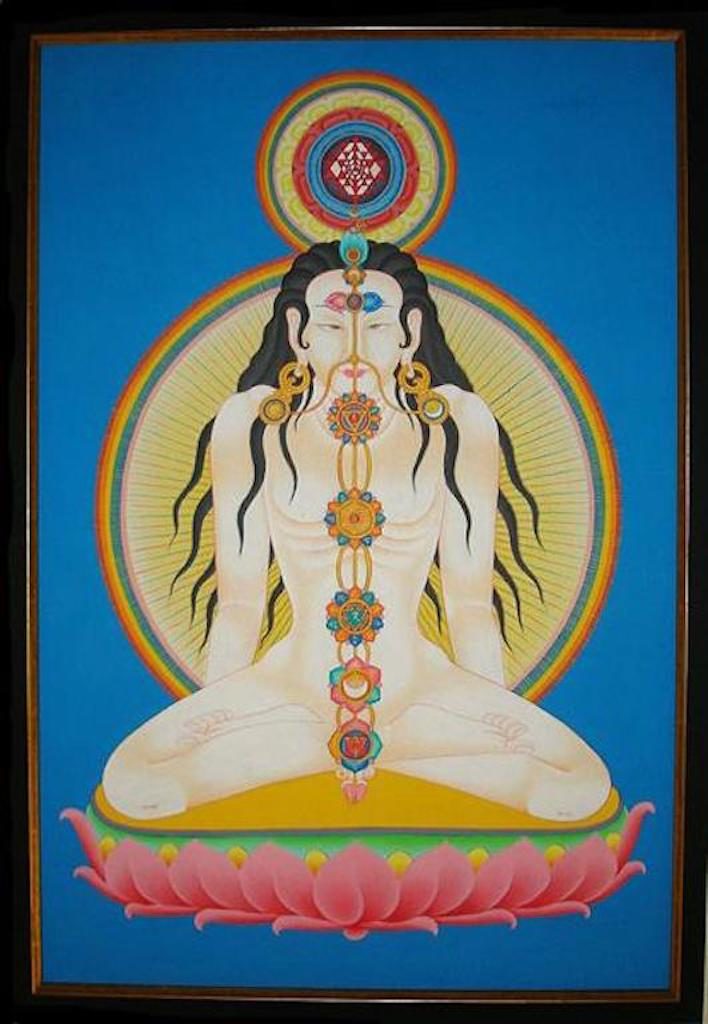
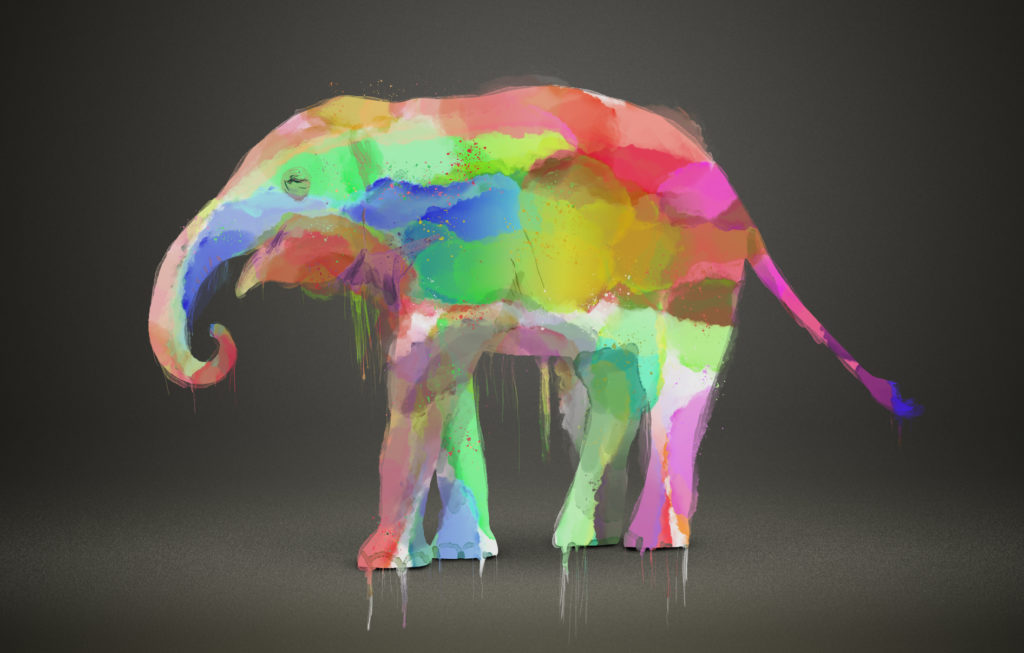
The chakra system is one of the most well-known yet misunderstood spiritual models in the world. To some, chakras are mystical wheels of energy. To others, they’re metaphors for the evolution of consciousness within the human body. Like the blind men describing an elephant by touching only one part, our individual experiences shape our understanding of what chakras are.
Chakras are a spiritual concept found in various Indian traditions, especially within Hinduism and Tantra, and refer to energy centers or points of spiritual power within the human body. The Sanskrit word “chakra” means “wheel,” and these centers are often envisioned as spinning vortexes of subtle energy. While not scientifically proven, many believe that chakras play a role in influencing emotional, physical, and spiritual well-being. Practices like breathing exercises, yoga poses, and chakra meditation are commonly used to explore and balance these energy centers.
To explore a powerful symbol connected to these energy centers, check out this introduction to the Shri Yantra and its energetic significance.
Origins of Chakras
The origins of the chakra system can be traced back to ancient Indian texts, particularly the Vedas—sacred scriptures composed over 3,000 years ago. The concept of chakras was further developed in later Hindu and Tantric traditions, including texts like the Upanishads and the Yoga Sutras of Patanjali. Over time, various schools of thought, including Buddhist and yogic lineages, expanded on this foundation, introducing different symbolic representations, colors, and practices. Despite these differences, the core idea has remained consistent: chakras are focal points of spiritual and energetic power that exist within the subtle body, offering a map for self-awareness, transformation, and holistic well-being.
The Seven Chakras: Names, Meanings & Locations
Despite cultural variation and symbolic differences, most traditions agree on seven primary chakras—also called the main chakras. These energy centers form the foundation of an energetic map that supports our mental health, physical health, and overall well-being.
1. Root Chakra
- Sanskrit Name: Muladhara (“root support”)
- Location: Base of the spine, perineum
This is the foundation of the chakra system. The root chakra, or muladhara chakra, relates to safety, groundedness, and survival. It governs our relationship to the physical body, the Earth, and ancestral memory. A strong muladhara supports resilience and security, while imbalances may show up as fear or disconnection from the physical world. To support your practice, try this guided session for activating the muladhara.
2. Sacral Chakra
- Sanskrit Name: Svadhisthana (“one’s own base”)
- Location: Lower abdomen, just below the belly button
Known as the second chakra, the sacral chakra governs creativity, sensuality, and emotional expression. It’s associated with the water element and emotional fluidity. When activated, this chakra fuels joy, playfulness, and passion. If you’re exploring this energy center further, check out these tips for working with the sacral chakra.
3. Solar Plexus Chakra
- Sanskrit Name: Manipura (“city of jewels”)
- Location: Upper abdomen, above the navel
The manipura chakra is the seat of personal power and self-esteem. Associated with fire, it governs our drive, autonomy, and digestion. Located in the upper abdomen, this energy center fuels confidence and direction. For insight into this energy center’s role in transformation, watch this video focused on the third chakra.
4. Heart Chakra
- Sanskrit Name: Anahata (“unstruck sound”)
- Location: Center of the chest
The heart chakra, or anahata, is the energetic bridge between the lower chakras (physical) and upper chakras (spiritual). It governs love, compassion, and forgiveness. Representing air, this chakra opens us to emotional healing, connection, and empathy. Chakra healing in this area often leads to increased emotional resilience and a deeper connection to others.
5. Throat Chakra
- Sanskrit Name: Vishuddha (“purification”)
- Location: Throat
The throat chakra supports communication and authenticity. Associated with the ether element, it is the voice of the chakra system. A balanced vishuddha allows us to speak our truth and listen deeply. To support your practice, try this session on opening the throat chakra.
6. Third Eye Chakra
- Sanskrit Name: Ajna (“command”)
- Location: Between the eyebrows
Also known as the ajna chakra, the third eye chakra governs intuition, insight, and perception. It influences the nervous system and is often associated with clarity and vision. This yoga practice for the sixth chakra can help activate this center and enhance inner awareness.
7. Crown Chakra
- Sanskrit Name: Sahasrara (“thousand-petaled”)
- Location: Crown of the head, or top of the head
The crown chakra represents pure consciousness and spiritual connection. Sahasrara is beyond the elements and symbolizes unity, divine wisdom, and enlightenment. Its activation leads to the dissolution of ego and a feeling of oneness. For a guided experience, try this crown chakra yoga session.
Want to go deeper? The Kundalini Chakra Series offers a complete journey through all seven chakras with movement, mantra, and meditation.
Tantra and the Subtle Body: The Energetic Framework
To understand chakras, we must understand Tantra. Far from its sexualized New Age reputation, Tantra is a deeply spiritual tradition rooted in the Vedas and Kashmiri Shaivism. It teaches that everything in the universe is a manifestation of divine consciousness (Shiva) through dynamic energy (Shakti).
Tantric philosophy holds that the world is not to be escaped but embraced. Through ritual, mantra, yoga poses, and meditation, practitioners work with the elements—earth, water, fire, air, ether—to unlock spiritual evolution.
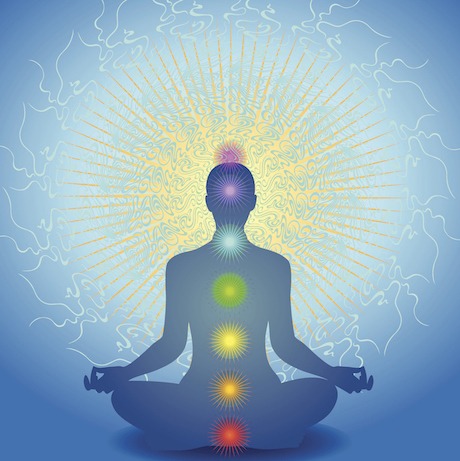
At the heart of this practice is the subtle body—an energetic reflection of the physical body. It contains:
- Nadis: Energy channels (like Ida, Pingala, and Sushumna)
- Prana: Life force
- Chakras: Energy centers that influence physical and mental health
This energy system is cultivated through focused practices, which encourage energy flow and transformation. As chakra activation increases, blockages clear and the practitioner moves toward wholeness.
The Tibetan concept of the Rainbow Body illustrates what may be possible through advanced energetic refinement and subtle body mastery.
Chakras in Action: Beyond Metaphor
Rather than rigid symbols or rainbow-colored disks, chakras are best experienced through direct sensation and awareness. Chakra meditation and breathing exercises can activate or balance specific centers. As subtle energy begins to move freely, it enhances intuition, emotional balance, and mental clarity.
To explore the chakra system’s role in our current age of transformation, watch this conversation on the Kali Yuga and ascension with Michael Cremo.
The chakra system is more than philosophy—it’s a practical tool for transformation. With consistent exploration, practitioners report a stronger sense of inner peace, improved physical health, and a profound connection to spiritual energy.
So gentle seeker—or perhaps, finder—consider this your beginner’s guide to a vast and subtle inner cosmos. Approach the journey with curiosity and kindness, and let your energy centers illuminate the path.
How can I tell if my chakras are blocked or unbalanced?
When your chakras are balanced, you may feel centered, focused, and emotionally steady. But when one or more chakras are blocked or out of alignment, the effects can manifest on multiple levels—physical, emotional, and spiritual. Here are some signs to look for:
Common signs of chakra imbalance include:
- Physical symptoms such as headaches, digestive problems, fatigue, or chronic tension
- Emotional instability like anxiety, irritability, sadness, or mood swings
- Mental struggles such as brain fog, trouble focusing, or lack of motivation
- Spiritual disconnect or feeling lost, stuck, or uninspired
Each chakra influences different aspects of the body and consciousness. For example:
- A blocked root chakra may manifest as fear or insecurity.
- An imbalanced sacral chakra could show up as lack of creativity or emotional numbness.
- A congested heart chakra might contribute to struggles in relationships or self-love.
How do you balance or align your chakras?
Bringing your chakras into alignment involves restoring the natural flow of energy throughout your subtle body. Fortunately, there are several accessible practices to support chakra balancing. These techniques can be used individually or in combination, depending on your needs and preferences.
Effective methods to balance your chakras include:
- Breathing exercises that stimulate parasympathetic relaxation and open energy pathways
- Chakra meditation focused on sensing and releasing tension in specific centers
- Bija mantras—vibrational seed sounds like “LAM” or “VAM” that resonate with each chakra
- Targeted yoga poses that stretch and activate energy flow in corresponding areas
- Visualization techniques using light or color to dissolve blockages
- Sound or crystal healing with tools like tuning forks, singing bowls, or chakra stones
Balancing your chakras is not a one-time fix but an ongoing journey. Consistency, awareness, and self-compassion will help you stay connected to your energy system and cultivate deeper well-being.
Explore More
If you’re just starting your journey, a great place to begin is this introductory practice focusing on the lower chakras. You’ll find grounding, support, and the foundational understanding you need to activate and balance your entire energy system.
About the Author

Six Ways to Cleanse Your Aura for Spring
If we are spirits having a human experience, then it is this frequency of spirit which vibrates and creates an energetic field around the human body. This field around our physical body is known as the “aura.” Just like your physical body, your subtle body in the form of you aura may experience and exhibit stress, fragmentation, and a loss of luminosity. Spring is an excellent time to detoxify and regenerate, both body and spirit. Try these steps to cleanse your aura and liberate its highest potential and feel the cascading effects seasons after season.
How to Remove Negative Energy & Cleanse Your Aura
1. Visualize Your Aura
Sit in a quiet, distraction-free zone in your house. Stay seated comfortably in a position you can relax in for about 15 minutes while practicing breathing exercises. Remain conscious of what you’re doing, and aware of your inhales and exhales. You can even meditate. Once you find yourself beginning to totally relax, form a white light in your mind and have it surround you. Allow it to flow throughout you, from the tips of your toes to the top of your head, and visualize it moving up and down your back, near your spine. If you get distracted or thrown off, you can get yourself back on track by re-visualizing the white light and focusing on your breath.
2. Discard Your Negative Energy
Avoid negative people or energy vampires. People affect more than just themselves, so be aware of how others affect your energy and vice versa. One way to protect yourself is to make sure you surround yourself with more positive people than negative ones. Spend less time time (or none at all) with negative people, once you figure who they are. Find positive people who always have a smile to offer and have kind souls. These people can help offset negativity in your aura.
3. Cleanse Your Own Negative Thoughts
Still have negative energy wafting around? Try looking inward. Start paying attention to your thoughts. Are there a lot of negative ones? Take a look at them. Are they untrue, delusional, or paranoid? All the more reason to chuck them out. Focus on the bright side of things. If you are having a really bad day, it’s okay to express your feelings, but don’t wallow in that place. Make your day a good one by treating yourself to your favorite tea. Play your favorite song. Find a friend to hang out with. If you notice that a negative thought is trying to creep in, confront it with a positive one. If you keep practicing this, you will be able to conquer the effects of negative thinking.
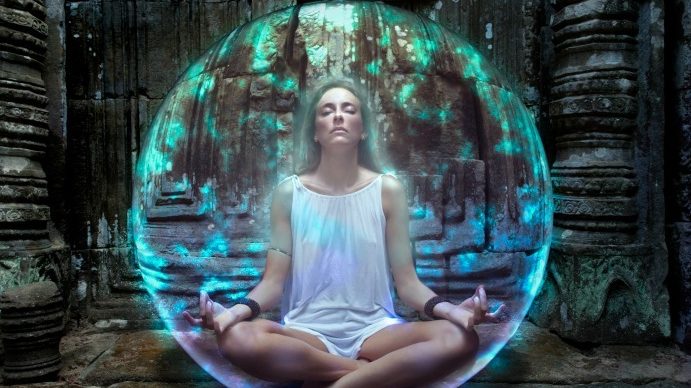
4. Create a Protection Bubble
This is the most commonly practiced ways of protecting the aura. Practitioners praise it as a beautiful way to connect them to the divine energy, and when it’s done in the mornings, it’s a defining start to the day. Imagine white light coming down from the sky, divine, cosmos, universe, whatever higher power resonates with you. Connect this light to the crown of your head, and then let it spill out over you and down under your feet. You are now surrounded by a white light bubble. White is pure and highly protective. You are in control of what enters and exits your white bubble of protection.
5. Get Energy Healings
Sometimes you just need a realignment: energy healings can help clean blockages or balance misalignments. Healers also check for negative entities or emotional cords that may need to be cut. Don’t underestimate the power of these energy checkups. You might find that your mood swings and imbalanced emotions improve drastically with a little help.
6. Smudge Your Aura Regularly
Smudging is a Native American practice using white sage to cleanse any negative energy. You can cleanse your house, people and things. Try smudging after you’ve had a lot of people in your home or if you feel particularly drained. Focus your intention on clearing negative energy to allow room for positive energy in your space and life.